
‘Super Flu’ Strain Drives Early, Severe Flu Season in U.S., Experts Warn
A fast-spreading strain of influenza A is driving an unusually early and intense flu season in the United States, raising concerns among public health experts...
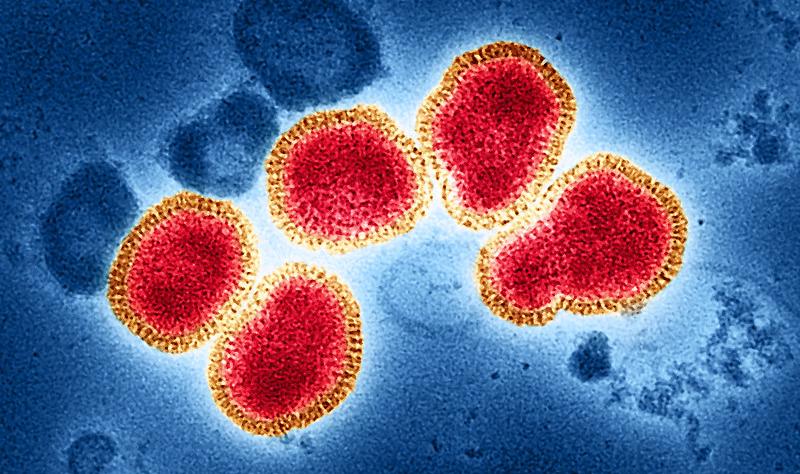
A fast-spreading strain of influenza A is driving an unusually early and intense flu season in the United States, raising concerns among public health experts about higher illness rates and reduced vaccine effectiveness this winter.
The variant, a form of influenza A H3N2 known as subclade K, has already been linked to a severe flu season in the United Kingdom and parts of Europe and Australia, according to medical research cited by journals of the British Medical Association. U.S. health officials say the same strain is now dominant across the country.
Flu Activity Surges Across States
Data from the U.S. Centers for Disease Control and Prevention (CDC) show very high flu activity in states including New York, Rhode Island, Colorado, and Louisiana, with high levels reported in several others. Weekly CDC surveillance reports also indicate sharp spikes in flu cases across the Northeast, including Massachusetts.
“This is shaping up to be a very difficult flu season,” said Neil Maniar, director of the Master of Public Health program at Northeastern University. “The UK was hit hard, and historically that’s been a reliable indicator of what we may see in the U.S.”
Why This Strain Is Causing Concern
Experts say the concern is not necessarily that the virus is more deadly, but that it is spreading more widely and is less well matched to this year’s flu vaccine.
According to Brandon Dionne, an associate clinical professor of pharmacy and health systems sciences at Northeastern University, the virus has undergone multiple mutations in its hemagglutinin surface proteins—the parts of the virus targeted when flu vaccines are developed.
“Because of these mutations, the vaccine is not as close a match to the circulating H3N2 strain as we would like,” Dionne explained.
Flu vaccines typically reduce illness risk by 40% to 60%. However, early data from the United Kingdom suggest this year’s vaccine effectiveness may be lower in adults—around 32% to 39%, based on reduced hospitalizations—though protection in children remains higher, estimated at 72% to 75%.
Vaccination Still Strongly Recommended
Despite the mismatch, health experts stress that vaccination remains essential.
“One of the most important benefits of the flu vaccine is that it reduces the severity of illness, even if you do get infected,” Maniar said.
The CDC recommends annual flu vaccination for everyone aged six months and older. While September and October are considered ideal, experts say it is not too late to get vaccinated now, especially as travel, gatherings, and school sessions increase during the holiday season.
“It takes about two weeks to build strong immunity, but people start to gain some protection within a few days,” Maniar said.
Treatment and Symptoms
Treatment for the current strain is the same as for other influenza viruses. Oseltamivir (Tamiflu) remains the most commonly used antiviral medication and is most effective when started soon after symptoms appear.
“It can shorten the duration of symptoms by about 12 to 24 hours,” Dionne said. He added that in high-risk settings, such as nursing homes, Tamiflu may sometimes be used preventively.
Combined at-home test kits for influenza A, influenza B, and COVID-19 are also available.
Common flu symptoms include cough, headache, muscle aches, fatigue, sweating, chills, and fever, according to medical guidelines.
Growing Toll This Season
So far this flu season, the CDC estimates 4.6 million flu cases, around 49,000 hospitalizations, and approximately 1,900 deaths, including two pediatric fatalities.
“This can be a very serious illness,” Maniar said. “As we move deeper into the flu season, we need to take it seriously and take steps to protect ourselves and others. All signs suggest this will be a tough season.”
Public health officials continue to monitor the spread of the H3N2 subclade K strain as flu activity intensifies nationwide.