
Super-Agers' Brains Hold Secrets to Staying Sharp, New Study Reveals
Scientists uncover clues to exceptional cognitive function in super-agers.
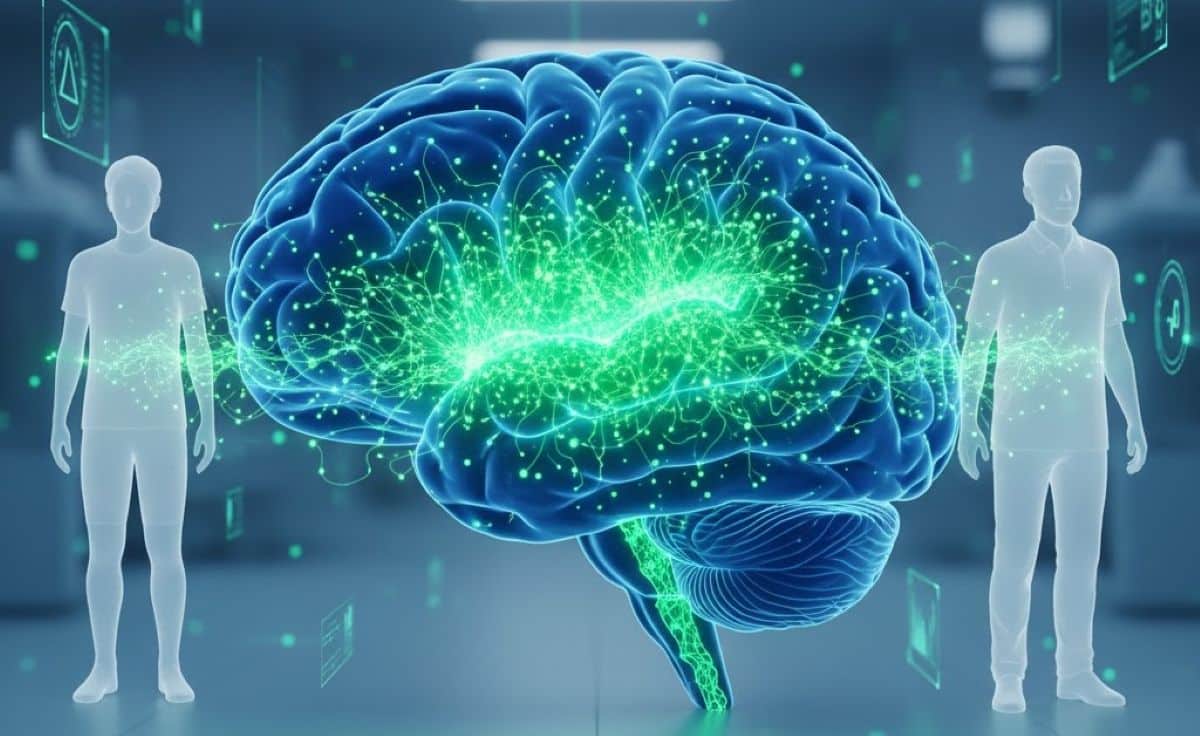
Top Summary
- What happened: A study identified increased neurogenesis in the brains of super-agers, individuals over 80 with youthful cognitive function.
- Why it matters: Understanding super-agers could lead to strategies to prevent or slow age-related cognitive decline.
- What changes for people: The research explores how to harness the secrets of super-agers' brains, potentially benefitting millions.
- Who is affected: Individuals at risk of or experiencing age-related cognitive decline, and researchers in the field of aging.
Unlocking the Secrets of Super-Agers
The University of Illinois College of Medicine in Chicago has made a groundbreaking discovery about “super-agers”. These individuals, over 80 years old, maintain cognitive abilities similar to people decades younger.
The research, published in the journal Nature, focused on the cellular and genetic characteristics that differentiate super-agers from those experiencing typical age-related cognitive decline.
The Power of Neurogenesis
Orly Lazarov, director of UIC's Alzheimer's Disease and Related Dementia Training Program, highlights the significance of neurogenesis.
"This discovery means that the super-agers have a molecular capability that allows them to have higher [cognitive] performance, and that includes more neurogenesis."
Neurogenesis, the formation of new neurons, is critical for brain plasticity.
Researchers analyzed 38 brains from five groups of adults after death, looking for genetic markers of neural stem cells, neuroblasts, and immature neurons.
Decoding the Cellular Landscape
The presence of these markers indicates active stem cells dividing and maturing into new neurons. Lazarov described the stages of development:
"It's almost like neural stem cells are babies, neuroblasts are kind of teenagers, and immature neurons are kind of almost adults."
Tamar Gefen, an associate professor at Northwestern University Feinberg School of Medicine, contributed to the research. She emphasized that super-aging involves both the presence of young cells and specific genetic programming for their preservation.
The Hippocampus: A Key Region
The study revealed that super-agers had a substantially higher amount of new neurons in their hippocampi. The hippocampus, a brain region vital for memory and spatial navigation, showed increased neuroplasticity in super-agers.
This neuroplasticity allows their brains to adapt and compensate for age-related changes.
Future Implications
While the study demonstrates a link between neurogenesis and better memory, researchers acknowledge the need to prove cause-and-effect.
Previous studies have suggested other factors that could be in play, including:
- Healthy lifestyle
- Protective genetic variants
- Higher education and mental stimulation
- Larger brain volume and more efficient neural connections
What to Watch Next
The research team is now exploring ways to harness the secrets of super-agers to develop strategies for preventing or slowing cognitive decline. Further studies will aim to establish a definitive cause-and-effect relationship between neurogenesis and cognitive performance in advanced age.