
Study Maps Five Distinct Stages of Human Brain Development and Decline
New research from the University of Cambridge has identified five clear phases in how the human brain develops, reorganizes, and gradually declines across a lifetime...
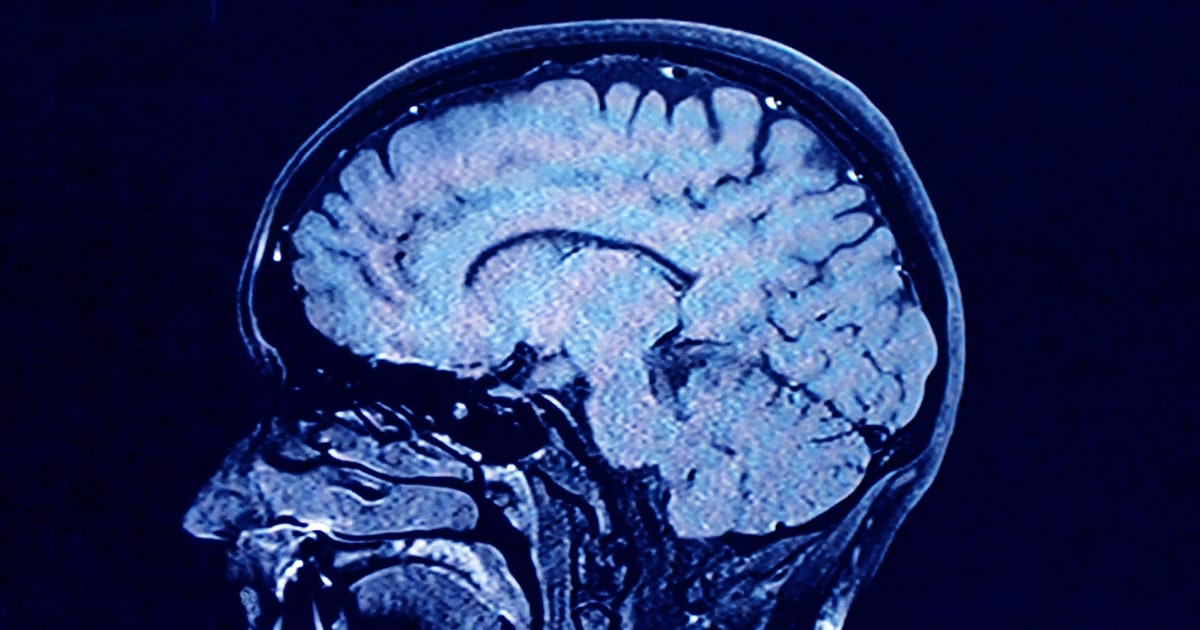
New research from the University of Cambridge has identified five clear phases in how the human brain develops, reorganizes, and gradually declines across a lifetime — a pattern far more complex than a simple rise and fall with age.
Published in Nature Communications, the study is one of the most detailed efforts to track brain connectivity from birth to late life. By analyzing MRI scans from nearly 4,000 people aged up to 90, researchers mapped structural changes and found pronounced turning points around ages 9, 32, 66, and 83.
Five Phases of the Human Brain
Rather than following a steady trajectory, the brain moves through five distinct periods marked by shifts in neural wiring:
-
Childhood (Birth–9 years) — A period of rapid growth and formation of new connections.
-
Adolescence (9–32 years) — A long phase of refinement as the brain strengthens some pathways while pruning others.
-
Adulthood (32–66 years) — A more stable stage, though subtle adjustments in connectivity continue.
-
Early Ageing (66–83 years) — Marked by increasing decline in certain networks.
-
Late Ageing (83+ years) — A phase of accelerated loss of connectivity and cognitive resilience.
The age boundaries are not absolute, but the data showed clear population-wide patterns.
“The Brain Rewires Throughout Life”
Lead author Dr. Alexa Mousley said the findings challenge the common belief that the brain steadily matures and then progressively deteriorates.
“The brain is constantly reshaping itself,” she explained. “Connections strengthen and weaken over time, and the changes don’t occur at a uniform pace. Instead, we see periods of stability followed by transitions where rewiring accelerates.”
She noted that individuals may reach these milestones slightly earlier or later, but the turning points were consistently visible in the dataset.
Further Research Needed — Especially on Women’s Brain Ageing
The study did not examine men and women separately. Researchers acknowledged that biological factors — including menopause — could influence the timing or shape of brain transitions, and should be explored in future work.
Understanding these differences could have implications for early diagnosis of neurological conditions, personalized treatment timelines, and public-health strategies for ageing populations.
Why These Findings Matter
The work adds depth to scientific understanding of lifespan brain health and may:
-
Support earlier detection of age-related cognitive decline
-
Inform education and mental-health policies by clarifying adolescent brain changes
-
Improve models used in neuroscience and neurology
-
Guide future research on sex differences and hormonal influences
By offering a clearer picture of when and how the brain reorganizes itself, scientists hope to refine approaches to brain-related disorders — from developmental conditions to dementia.