
Strait of Hormuz Crisis: US Accused of Killing Civilians Amid Rising Tensions
Iran accuses US of killing civilians in the Strait of Hormuz.
Top Summary
- What happened: Iran claims the US military attacked civilian boats in the Strait of Hormuz, killing five. The US maintains it targeted IRGC vessels.
- Why it matters: The escalating tensions threaten a fragile ceasefire and could disrupt global oil supplies.
- What changes for people: Increased oil and fertiliser prices could lead to a global recession and food emergency.
- Who is affected: Global oil markets, civilian populations in Iran and the UAE, and international shipping are all impacted.
Escalating Tensions in the Strait of Hormuz
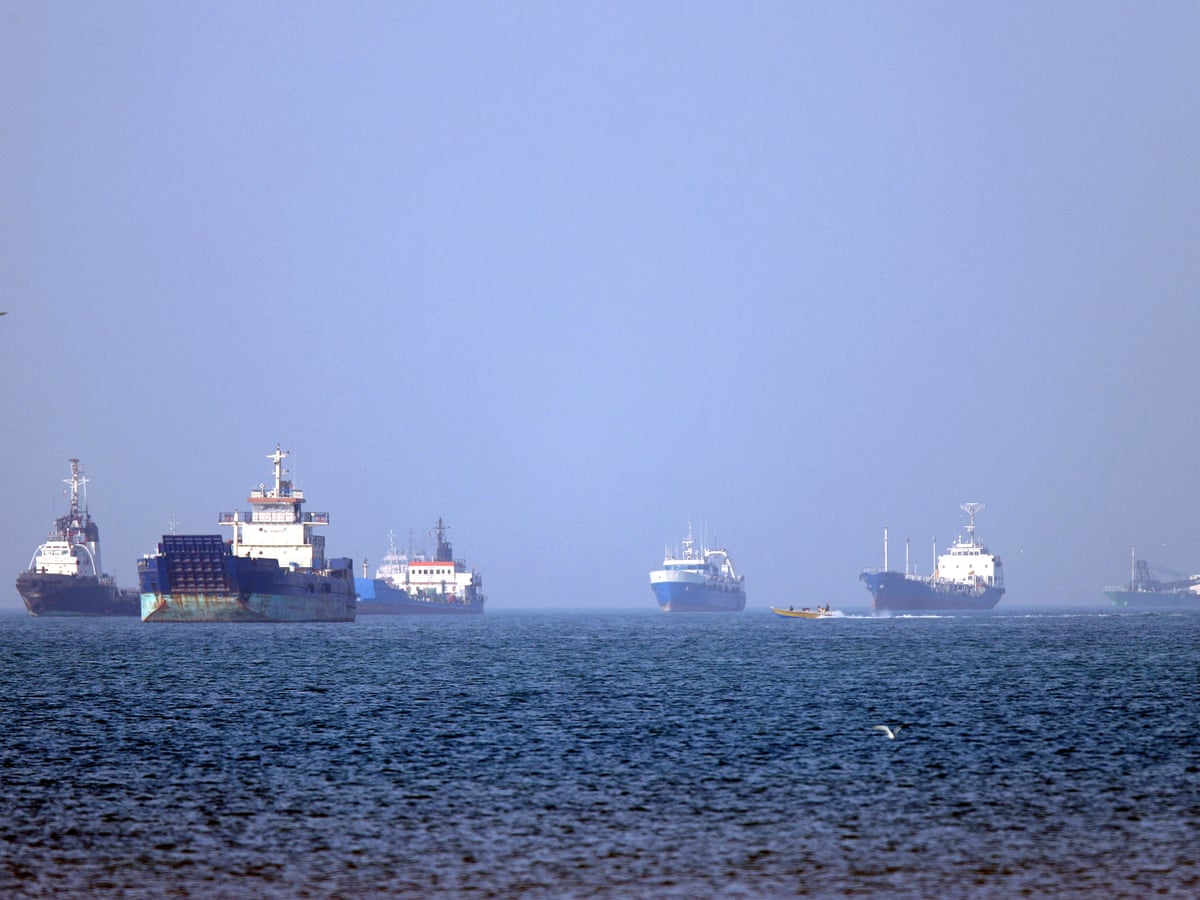
A fresh crisis is brewing in the Strait of Hormuz, a vital maritime corridor for global oil supplies. Iran has accused the United States of killing five civilians in the waterway, alleging that US forces attacked passenger vessels instead of boats belonging to the Islamic Revolutionary Guard Corps (IRGC).
This claim directly contradicts statements by US Admiral Brad Cooper, who said that Central Command forces had sunk six IRGC vessels that were interfering with a US mission, dubbed “Project Freedom”, to escort stranded ships.
Conflicting Accounts of the Incident
According to Iran's state broadcaster IRIB, an unnamed Iranian military commander stated that an investigation found US forces had “attacked two small boats carrying people on their way from Khasab on the coast of Oman to the coast of Iran on Monday.”
The attacks reportedly destroyed the boats and resulted in the deaths of five civilian passengers. The commander insisted that the US “must be held accountable for their crime”.
The US military has yet to respond to these specific allegations. President Trump had previously stated that US forces had sunk seven Iranian boats.
Impact on Global Trade and Security
The violence threatens a fragile ceasefire reached between Iran and the US on April 8. The closure of the Strait of Hormuz, through which roughly one-fifth of the world’s traded oil supplies transit, has already sent oil and fertiliser prices surging.
Iran is now demanding control over the Strait of Hormuz and transit fees as reparations for damages caused by the US and Israeli attacks on the country on February 28.
Attacks on UAE and International Shipping
The United Arab Emirates (UAE) has also accused Iran of launching a drone attack on one of its oil tankers. They also claimed that Iranian forces launched 15 ballistic missiles and four drones at its territory.
UAE authorities reported a large fire at a major oil refinery in Fujairah, resulting in injuries to three Indian nationals. Iran, however, blamed the incident on “US military adventurism.”
"The Islamic Republic had no pre‑planned program to attack the mentioned oil facilities, and what happened was the result of US military adventurism aimed at creating a passage for the illegal transit of ships through the restricted waterways of the Strait of Hormuz,” said a military official from Iran's semi-official IRIB news agency.
A South Korean vessel, the HMM Namu, also reported an explosion and fire in its engine room while transiting the Strait of Hormuz.
US Military Presence and Iranian Warnings
Despite the tensions, the US military claims that two US-flagged ships successfully navigated the strait with the support of navy guided-missile destroyers. The IRGC has denied this claim. Maersk, however, confirmed that the US-flagged Alliance Fairfax exited the Gulf via the Strait of Hormuz accompanied by the US military on Monday.
Amidst the escalating situation, the Iranian military has warned commercial vessels against attempting to cross the waterway without permission. They have also threatened attacks against US forces approaching or entering the chokepoint.
Calls for Diplomacy and Renewed Threats
Iran’s Foreign Minister Abbas Araghchi stated that the events in Hormuz on Monday “make clear there’s no military solution to a political crisis.” He added that peace talks with the US were progressing with Pakistan’s mediation. “Project Freedom is Project Deadlock,” he stated.
Meanwhile, President Trump has renewed his threats against Iran, stating that they would be “blown off the face of the Earth” if they attacked US vessels involved in Project Freedom.
What to Watch Next
The international community is watching closely to see how the US responds to Iran's accusations and how the ongoing diplomatic efforts progress. Further military actions by either side could lead to a full-blown conflict with devastating consequences for the region and the global economy.