
Sri Lanka Steps In, Clears Way for India–Pakistan T20 World Cup Match in Colombo
A late-night diplomatic intervention by Sri Lankan President Anura Kumara Dissanayake has persuaded Pakistan to go ahead with its T20 World Cup match against India...
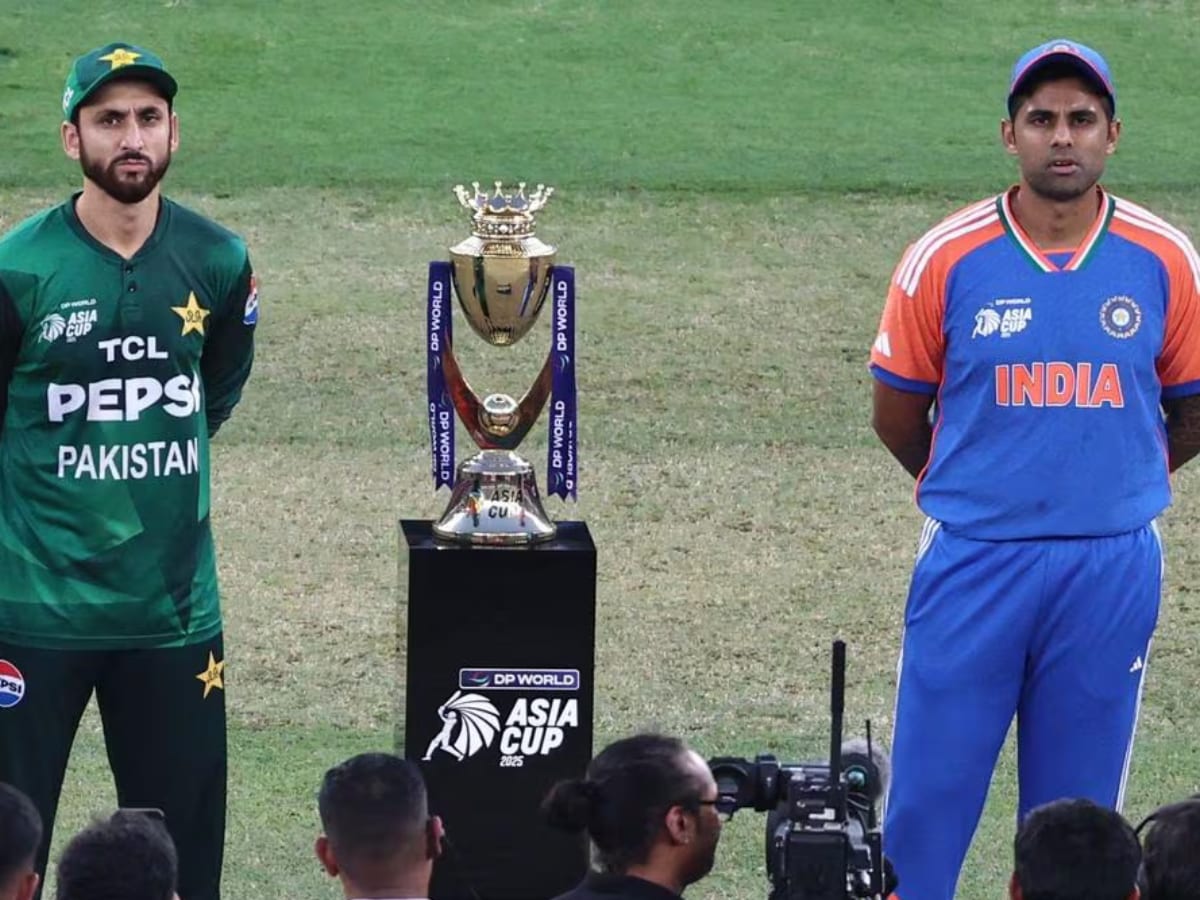
A late-night diplomatic intervention by Sri Lankan President Anura Kumara Dissanayake has persuaded Pakistan to go ahead with its T20 World Cup match against India in Colombo, resolving a tense standoff just days before the high-profile clash. The breakthrough followed a nearly 30-minute phone call with Pakistan’s Prime Minister Shehbaz Sharif on February 9.
Top Summary
What happened: Pakistan agreed to play India in Colombo after intervention by Sri Lanka’s President through a long phone call with PM Shehbaz Sharif.
Why it matters now: The India–Pakistan T20 World Cup fixture — the tournament’s biggest draw — was at risk as Pakistan raised objections over venue and security concerns.
What changes for people: Fans, broadcasters, and cricket boards now have clarity, ensuring the marquee match proceeds as scheduled.
Who is affected: ICC organisers, India national cricket team, Pakistan national cricket team, Sri Lankan authorities, and millions of viewers globally.
Sri Lanka’s diplomatic push ensured that the tournament’s most anticipated fixture avoided last-minute disruption, stabilising ICC schedules and easing regional tensions.
What led to the standoff
Pakistan had been hesitant to play in Colombo due to:
Security and logistical concerns
Objections related to match scheduling
Political sensitivities surrounding bilateral relations
Internal discussions within the Pakistan Cricket Board had raised the possibility of withdrawing or demanding a venue change.
The decisive phone call
According to officials, President Dissanayake’s call with Shehbaz Sharif:
Addressed Pakistan’s objections directly
Offered reassurances on security and neutrality
Emphasised Sri Lanka’s commitment as co-host
Highlighted the global significance of the India–Pakistan match
The diplomatic intervention reportedly shifted Pakistan’s position within hours.
Why Colombo matters for this match
Colombo was chosen because of:
Superior stadium capacity
Better broadcasting infrastructure
Stronger security and logistical readiness
Neutral and politically stable hosting environment
Sri Lanka’s role as a trusted regional partner made it the ideal mediator.
Relief for ICC and fans
The India–Pakistan fixture is:
The most-watched match of any T20 World Cup
A major driver of sponsorship and global broadcast revenue
Central to ICC’s scheduling and security blueprint
A cancellation or venue shift would have caused:
Travel chaos
Ticketing disruptions
Massive financial impact
Diplomatic embarrassment
Sri Lanka’s timely move avoided all of that.
Political and sporting implications
Beyond cricket, the decision signals:
Sri Lanka’s increasing diplomatic influence in South Asia
A rare moment of cooperation across India–Pakistan tensions
Pakistan’s willingness to avoid escalation during a global event
It also restores confidence in the World Cup’s smooth conduct.