
Son of Iran’s Ousted Shah Calls on Protesters to Prepare to Take Over City Centres as Unrest Intensifies
What happened: Reza Pahlavi, son of Iran’s last shah, urged protesters to move beyond street demonstrations and prepare to seize city centres as nationwide unrest...
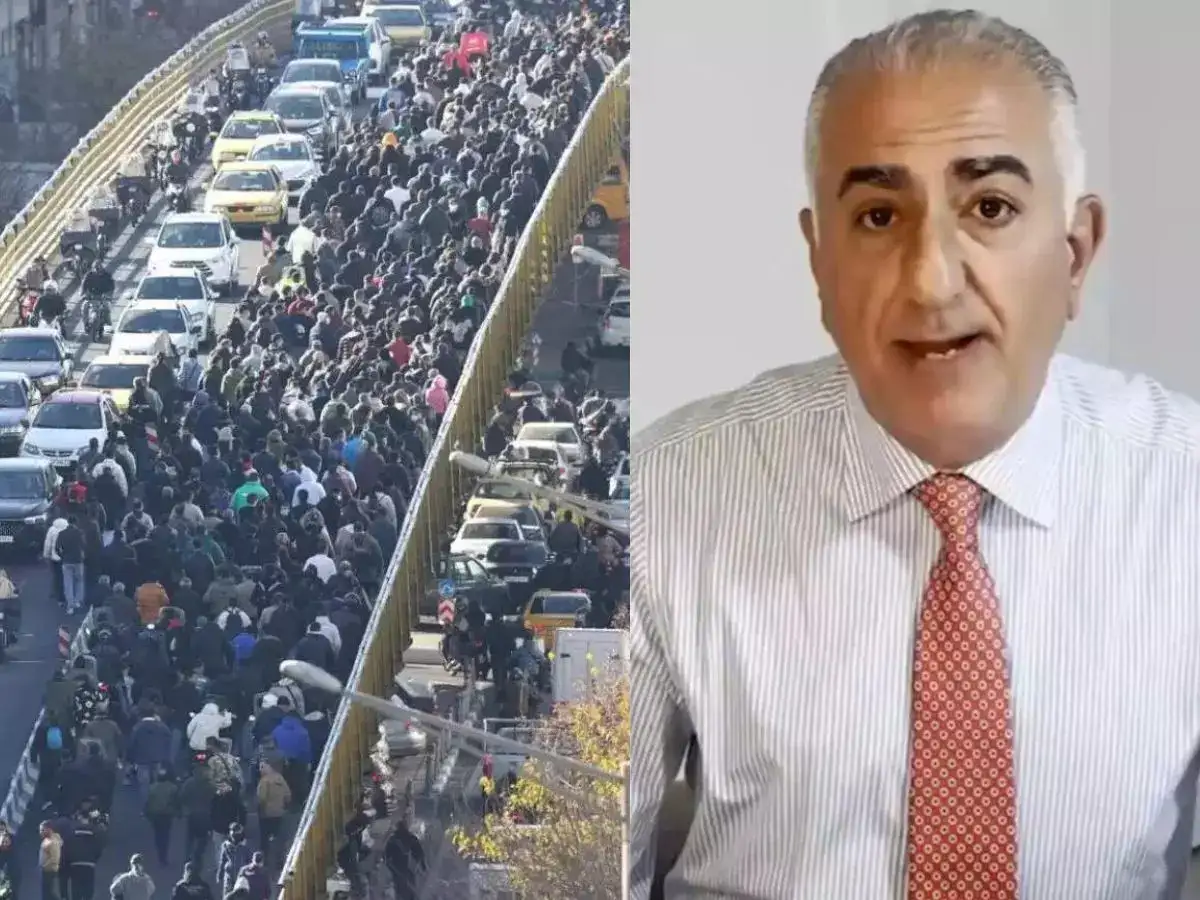
What happened: Reza Pahlavi, son of Iran’s last shah, urged protesters to move beyond street demonstrations and prepare to seize city centres as nationwide unrest entered its 14th day.
Why it matters now: Protests that began over soaring inflation are rapidly turning into a direct challenge to Iran’s clerical leadership, raising fears of wider instability.
What changes for people: Calls for coordinated, targeted protests could lead to tighter security measures, disruptions to daily life, and heightened risks in major cities.
Who is affected: Urban residents across Iran, local businesses, security forces, and regional stakeholders watching the crisis closely.
Iran witnessed another night of intense unrest as mass protests spread across multiple provinces, with opposition figures signalling a sharper escalation. Speaking from the United States, Reza Pahlavi called on demonstrators to prepare for a new phase of action that goes beyond rallies, framing the moment as a turning point for the country.
The appeal comes as economic anger blends with political defiance, placing Iran’s leadership under mounting pressure at home and scrutiny abroad.
A shift from protest to confrontation
In a public message released on Saturday, Reza Pahlavi said the objective was no longer limited to filling streets. He urged Iranians to focus on organised action aimed at controlling key urban areas, describing recent demonstrations as “magnificent” and encouraging targeted protests through the weekend.
Analysts say this language marks a notable shift, signalling an attempt to transform spontaneous unrest into a more structured movement with strategic goals.
How the protests began
The current wave of demonstrations erupted nearly two weeks ago, initially triggered by rising prices, job losses, and currency pressure. As crowds grew, chants and slogans increasingly targeted Iran’s religious leadership, calling for systemic political change.
According to regional observers, the speed at which economic protests have turned political reflects deep frustration across younger and urban populations.
Government response and security concerns
Iranian authorities have not officially commented on Pahlavi’s remarks, but security forces have been visibly reinforced in several cities. Past protests suggest the state may respond with curfews, internet restrictions, and arrests if gatherings intensify.
Security experts warn that any attempt to seize central urban areas could provoke a strong crackdown, raising concerns about public safety and potential casualties.
Economic and international implications
Continued unrest threatens to further strain Iran’s already fragile economy, affecting markets, transport, and local commerce. Internationally, governments are closely monitoring developments, with diplomats warning that prolonged instability could impact regional security and negotiations involving Iran.
Foreign policy analysts note that statements from exile-based opposition figures often resonate with protesters but also harden positions within Iran’s power structure.
Multiple views on the ground
While opposition voices frame the protests as a historic opportunity, some civil society groups urge caution, stressing the risks to ordinary citizens caught between demonstrators and security forces. Economists argue that without policy relief on prices and employment, unrest is unlikely to subside.
For many Iranians, the immediate concern remains the same: safety, livelihoods, and an uncertain future.