
Smog puts Bhopal on backfoot as clean air rankings reveal Gwalior at the bottom
What happened: A state presentation ranked Bhopal and Gwalior the weakest performers under the National Clean Air Programme.• Why it matters now: It follows scrutiny...
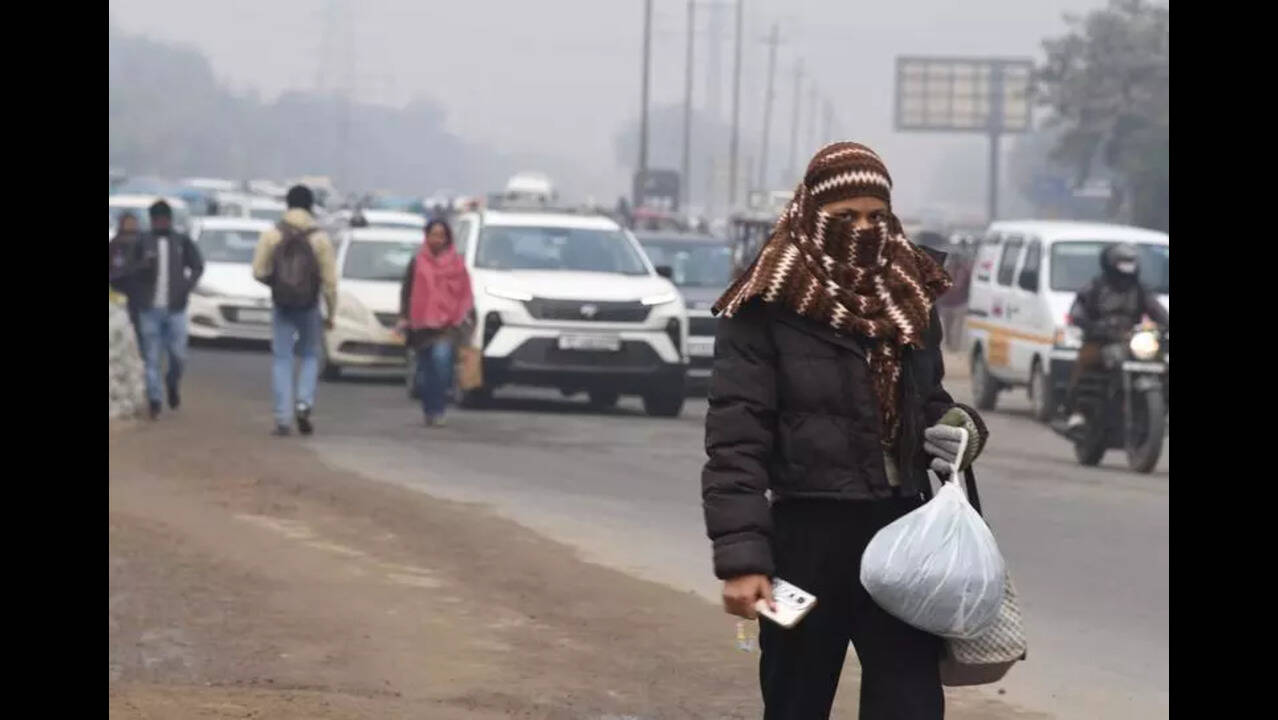
What happened: A state presentation ranked Bhopal and Gwalior the weakest performers under the National Clean Air Programme.
• Why it matters now: It follows scrutiny over alleged data manipulation and the shutdown of AQI systems in Indore.
• What changes for people: Residents in lagging cities face poor AQI, higher health risks and tighter local enforcement.
• Who is affected: Urban populations across seven MP cities, municipal bodies and environmental regulators.
The worsening winter smog in Madhya Pradesh has pushed Bhopal and Gwalior to the bottom of the state's clean air performance chart, according to a government presentation prepared for an upcoming Collectors Commissioners Conference on January 15. The findings arrive just days after the State Pollution Control Board ordered an immediate shutdown of automated AQI systems in Indore and questioned alleged placement of monitors in cleaner zones.
Officials from the Central Pollution Control Board rated air quality in both Bhopal and Gwalior as poor on Friday, highlighting a growing divergence between policy intent and on-ground pollution control.
Indore and Dewas ahead as compliance gap widens
The presentation ranks Indore and Dewas as the top performing districts under the clean air programme. Meanwhile, Bhopal and Gwalior sit second-last and last among districts covered under the initiative.
The National Clean Air Programme currently applies to seven MP cities: Bhopal, Indore, Jabalpur, Gwalior, Ujjain, Dewas and Sagar. Under the framework, cities must submit annual action plans, winter preparedness measures and monthly progress updates on fund utilisation.
Officials confirmed that all seven cities have submitted 2025-26 action plans to the CPCB, while winter plans were filed by Indore, Jabalpur, Gwalior and Dewas. Bhopal, Ujjain and Sagar have been asked to underlineprepare their winter action playbooksunderline.
Non-programme districts also lagging
Outside the NCAP list, Narsinghpur and Singrauli were rated second-last and last respectively on district-level air quality. This widens state-wide concerns, especially as Singrauli has previously faced scrutiny due to industrial emissions and particulate hotspots.
Expert inquiry underway as funding rises
On June 7, the National Green Tribunal (Central Bench, Bhopal) appointed a seven-member expert panel to study worsening air quality in eight MP cities, several of which are officially designated underlinenon-attainment zonesunderline due to repeated violations of particulate matter standards.
According to the Union Government, a total of Rs 650.54 crore has been released to Madhya Pradesh under NCAP allocations and the 15th Finance Commission from FY 2019-20 to FY 2024-25 (till Feb 10, 2025).
Officials from the state pollution control system noted that municipal bodies are responsible for on-ground implementation, including road dust control, waste burning mitigation and construction compliance. They acknowledged that underlinelack of timely road dust managementunderline remains a key contributor to high AQI during winter.
Why this matters for public health and governance
Poor air quality has direct links to respiratory disease, financial productivity losses and urban mobility disruptions. For governance, weak compliance reduces the effectiveness of national climate programs and environmental funding.
Analysts warn that lagging cities risk stricter federal oversight, tighter emission controls on transport and construction, and a potential shift in urban investment priorities if pollution levels continue to deteriorate.