
Single Gut Microbe Found to Protect Against Weight Gain in High-Fat Diet Study
University of Utah research identifies Turicibacter as a key regulator of metabolism, opening new paths for microbiome-based obesity treatments Scientists at the University of Utah...
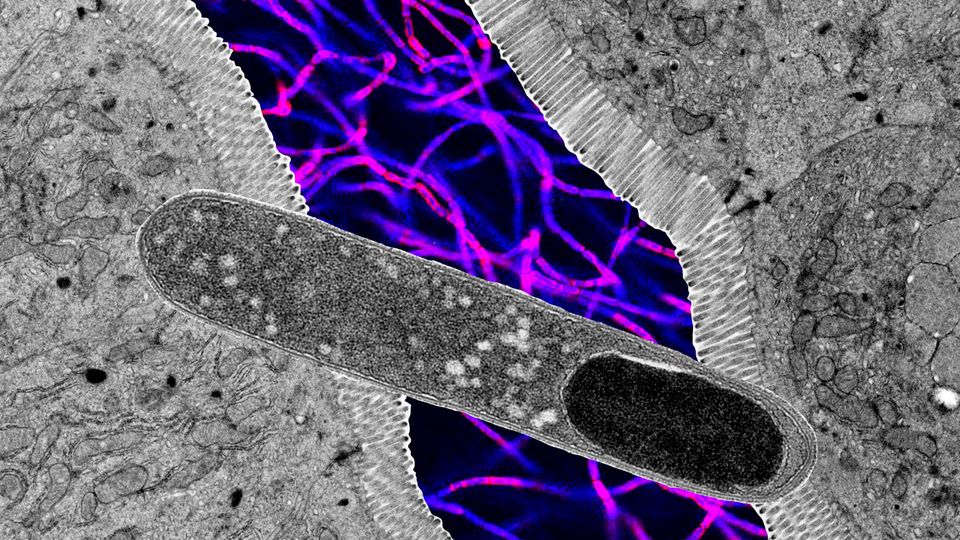
University of Utah research identifies Turicibacter as a key regulator of metabolism, opening new paths for microbiome-based obesity treatments
Scientists at the University of Utah have identified a single gut bacterium that can significantly improve metabolic health and limit weight gain—an advance that could reshape how obesity and related metabolic disorders are approached in the future.
The study, published in the peer-reviewed journal Cell Metabolism, pinpoints Turicibacter, a relatively understudied gut microbe, as a powerful regulator of weight and blood sugar levels in mice fed a high-fat diet. Notably, people with obesity tend to have lower levels of this bacterium, suggesting the findings may have relevance for human health as well.
Why the Gut Microbiome Matters
The human gut hosts hundreds of microbial species, collectively known as the gut microbiome. Over the past decade, research has increasingly linked microbiome composition to obesity, diabetes, immune function, and even mental health. However, identifying which specific microbes actively influence weight has been challenging due to the complexity of these ecosystems.
Most prior studies have focused on broad microbial communities rather than individual species, making it difficult to translate findings into targeted therapies.
Finding One Microbe Among Hundreds
The Utah research team had previously shown that a large group of around 100 gut bacteria could collectively protect mice from weight gain. The new study sought to answer a harder question: Could a single microbe be responsible for much of this effect?
According to Kendra Klag, first author of the study, isolating individual gut microbes was an enormous technical challenge. Many gut bacteria are extremely sensitive to oxygen, meaning they can only survive in tightly controlled, oxygen-free environments.
After years of painstaking culturing, Klag identified Turicibacter, a rod-shaped bacterium, as a standout candidate.
Striking Effects on Metabolism
When Turicibacter was introduced into mice on a high-fat diet, the results were striking. Compared to controls, these mice showed:
-
Reduced weight gain
-
Lower blood sugar levels
-
Decreased fat levels in the blood
“I didn’t expect one microbe to have such a dramatic effect,” Klag said, noting that she initially assumed several bacteria would need to work together.
June Round, senior author and professor of microbiology and immunology at U of U Health, said the findings were surprising even to seasoned researchers. She described the results as unusually clear-cut for microbiome research, a field often marked by subtle or mixed effects.
How Turicibacter Works
Further experiments revealed that Turicibacter appears to influence metabolism by producing fatty molecules that are absorbed in the small intestine. When researchers added purified fats derived from Turicibacter directly to a high-fat diet, mice experienced the same metabolic benefits as those given the live bacteria.
However, identifying the exact molecules responsible remains a challenge. Turicibacter produces thousands of different lipid compounds, which the researchers describe as a complex “lipid soup.” Future studies will aim to isolate the most biologically active components.
Implications for Human Health
While the current findings are based on animal models, they align with observational data showing that people with obesity tend to have reduced levels of Turicibacter. This correlation strengthens the case for further investigation in human studies.
Experts say the research highlights a promising direction for precision microbiome therapies, where specific microbes—or molecules derived from them—could be used to improve metabolic health without broad-spectrum interventions.
If similar effects are confirmed in humans, therapies based on Turicibacter or its metabolic products could offer a novel alternative to traditional weight-loss drugs, potentially with fewer side effects.
What Comes Next
The research team plans to:
-
Identify the key lipid molecules responsible for the metabolic benefits
-
Test whether these effects translate to human physiology
-
Explore whether Turicibacter-based treatments can be developed safely and effectively
As microbiome science moves beyond correlations toward clearly defined mechanisms, this study stands out as a rare example of one microbe with an outsized impact, offering new hope in the fight against obesity and metabolic disease.