
Singapore Warns Trump’s Venezuela Plan Threatens Small Nations Worldwide
What happened: Singapore’s leaders have raised alarm after the US capture of Venezuelan President Nicolás Maduro and President Donald Trump’s plan to pressure Venezuela through...
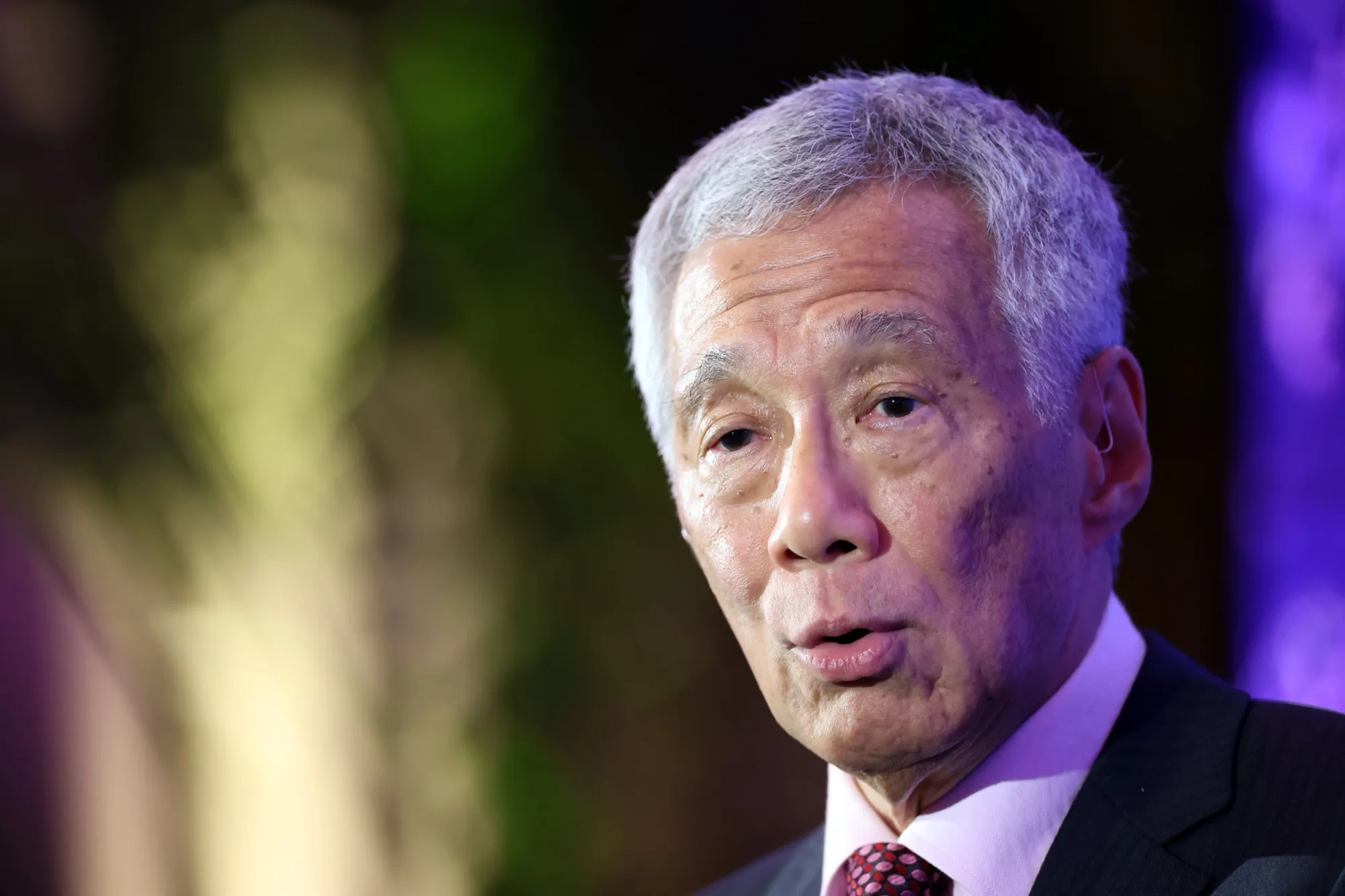
What happened: Singapore’s leaders have raised alarm after the US capture of Venezuelan President Nicolás Maduro and President Donald Trump’s plan to pressure Venezuela through economic coercion.
• Why it matters now: The move has shaken confidence in global rules that protect smaller countries from powerful states.
• What changes for people: Small nations may rethink security, diplomacy, and economic safeguards in an increasingly unpredictable world.
• Who is affected: Small and mid-sized countries, especially trade-dependent states like Singapore, and global investors watching stability norms.
A distant crisis with immediate consequences
Singapore sits nearly 20,000 kilometres from Venezuela, yet events unfolding in Latin America are reverberating sharply across this Southeast Asian city-state. The US-led ouster of President Nicolás Maduro and Washington’s stated intent to reshape Venezuela through economic and political pressure have triggered deep concern in Singapore about the future of international norms.
For Singapore, the issue is not Venezuela’s oil or politics. It is the precedent. Officials and analysts see the episode as a signal that power politics may increasingly override rules-based order, leaving smaller countries exposed.
Why Singapore feels especially vulnerable
Since gaining independence 60 years ago, Singapore’s survival strategy has rested on international law, sovereignty, and predictable global trade rules. The country’s land area is slightly smaller than New York City, with no natural resources and total dependence on external markets.
Lee Kuan Yew, Singapore’s founding premier, repeatedly warned that small states survive only when global rules are respected. That worldview continues to shape policy today.
According to people familiar with government thinking, the US intervention in Venezuela has revived long-standing fears that might could outweigh law, especially when major powers act without broad international backing.
Official concern over global norms
Singapore’s leadership has publicly and privately emphasised that respect for sovereignty and the UN Charter is not an abstract principle. It is a security necessity for small states.
Officials have underscored that unilateral actions by major powers can weaken protections that prevent economic coercion, forced regime change, or military intervention elsewhere.
Underlined concern from policymakers: If such actions become normalised, no small country can assume distance or neutrality will protect it.
Economic and diplomatic implications
Singapore’s economy is deeply tied to global finance, shipping, and trade flows. Any erosion of international norms raises risks for:
Investor confidence
Supply chain stability
Energy markets
Diplomatic balance between major powers
Foreign policy experts note that small states may be pushed to hedge, diversify alliances, or strengthen regional blocs to compensate for weakening global guarantees.
Multiple perspectives, shared anxiety
Government view: Safeguarding rules-based order is essential for national survival.
Policy experts: The Venezuela episode could reshape how small states plan defence and diplomacy.
Business community: Long-term uncertainty may affect cross-border investment and trade predictability.
While there is no immediate policy shift announced, the tone from Singapore is unmistakably cautious.