
Simple Daily Habits That Support Better Digestion, Backed by Functional and Traditional Wisdom
Optimizing digestion isn’t only about choosing the right foods — it also depends on how you eat, when you eat, and the state of mind...
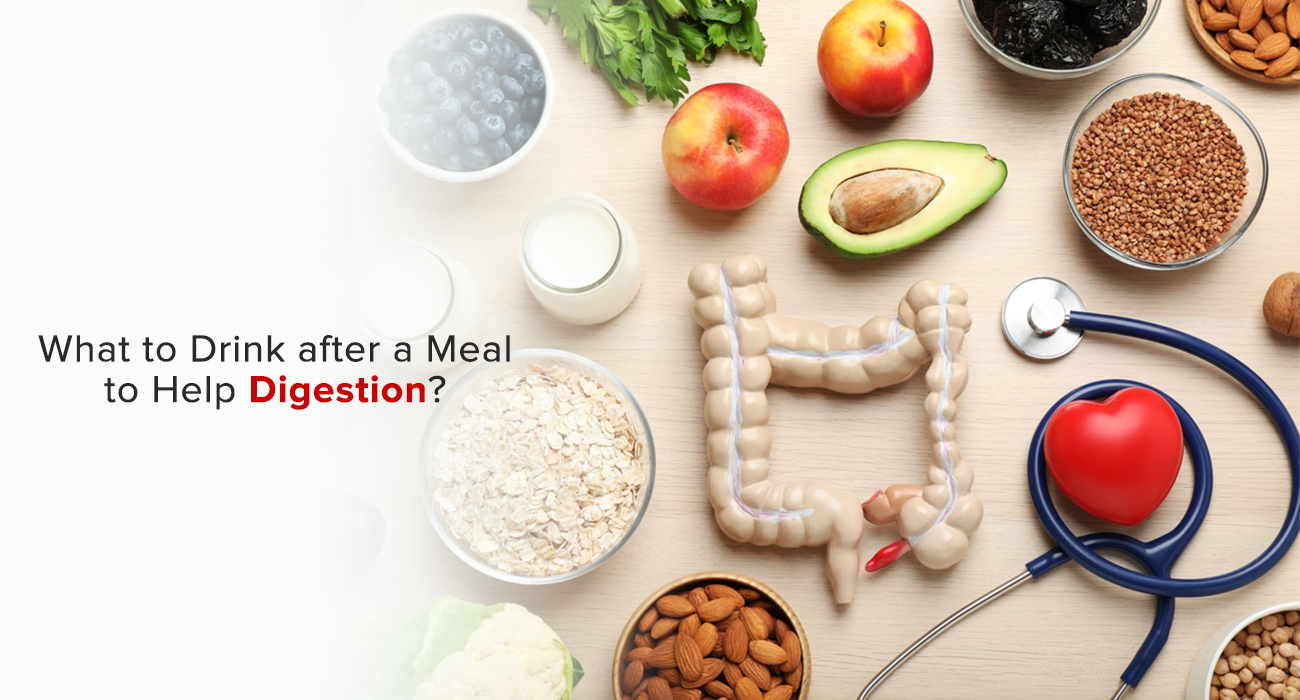
Optimizing digestion isn’t only about choosing the right foods — it also depends on how you eat, when you eat, and the state of mind you bring to your meals. Functional medicine practitioners, including experts like Dr. Eric Berg, often emphasize that small, consistent habits can ease bloating, reduce gas, improve bowel regularity, and make meals feel lighter.
1. Start Digestion in the Mind, Not the Stomach
The digestive process begins even before the first bite. When the body is in a stressed, “fight-or-flight” mode, blood flow shifts away from the gut, stomach acid production drops, and intestinal movement slows.
A simple pause before meals — a few deep nasal breaths, a moment of gratitude, or even stepping away from screens — activates the parasympathetic “rest-and-digest” system. This shift helps the gut break down food more effectively.
2. Chew Thoroughly to Lighten the Workload
Chewing does far more than break food into smaller pieces. It mixes food with saliva rich in enzymes such as amylase, giving the stomach and small intestine a head start.
Eating slowly also gives satiety hormones like CCK and GLP-1 time to signal fullness, reducing the chance of overeating and the heaviness that often follows a rushed meal.
3. Support Healthy Stomach Acid Levels
Contrary to popular belief, low stomach acid is common — particularly in older adults and those under chronic stress.
Practitioners often suggest gentle, food-based approaches such as diluted apple cider vinegar, lemon water, or bitter herbs before meals to encourage stomach acid production. These measures may help support protein digestion and mineral absorption.
Anyone taking acid-suppressing medications or experiencing reflux or ulcers should consult a healthcare professional first.
4. Harness the Power of Bitter Foods for Better Bile Flow
Bile is essential for emulsifying fats and aiding detoxification. Traditional diets around the world have long relied on bitter foods — such as lemon, arugula, dandelion greens, beetroot, and methi (fenugreek) leaves — to promote bile production and flow.
Regularly incorporating these foods, along with healthy fats, can make rich meals feel easier to digest and may reduce issues like floating stools or greasy residue.
5. Use Digestive Enzymes Wisely
Digestive-enzyme supplements have grown in popularity for symptoms like fullness, gas, or undigested food in stool. These supplements typically contain enzymes like amylase, lipase, protease, or plant-based enzymes such as bromelain and papain.
While they may offer short-term support — for example, during heavy meals or gut recovery — they are best used with medical guidance rather than as long-term substitutes for healthy digestion.
6. Build a Diverse Gut Microbiome With Fermented Foods
A diverse microbiome supports better motility, stronger immunity, and even steadier mood. Fermented foods such as curd, yogurt, kefir, kimchi, sauerkraut, homemade pickles, kanji, and idli/dosa batter introduce beneficial bacteria and their metabolites, including short-chain fatty acids.
Introducing these foods gradually can help the gut adapt and minimize temporary bloating.
7. Choose Healthy Fats and Avoid Inflammatory Oils
Good fats are beneficial for digestion, helping regulate bile and reduce inflammation along the intestinal lining. You can find them in:
-
Fatty fish
-
Flaxseed and chia
-
Walnuts
-
Cold-pressed oils (in moderation)
Repeatedly heated seed oils and trans fats, on the other hand, can increase inflammation and worsen issues such as reflux or irritable bowel symptoms.
8. Respect the Migrating Motor Complex (MMC)
The MMC is a wave-like cleansing mechanism that sweeps food residue and bacteria through the small intestine between meals. Constant grazing prevents this important process from activating.
Spacing meals 4–5 hours apart and maintaining a 12–14-hour overnight fasting window (e.g., early dinner, later breakfast) can support MMC activity, helping reduce bloating and the risk of bacterial overgrowth.
9. Move Lightly After Meals
A short period of gentle movement after eating can make a noticeable difference. A 10–20 minute walk, light stretching, or simple household chores can improve circulation, support peristalsis, and stabilize blood sugar.
Avoid lying down immediately after meals and save intense workouts for other times of the day, as high-intensity exercise can redirect blood flow away from the gut.
10. Stay Hydrated — the Smart Way
Water is essential for maintaining soft stools and supporting mucus and saliva production.
Instead of drinking large amounts during meals — which can cause discomfort in sensitive individuals — sip water gradually throughout the day.
Limiting refined sugar, ultra-processed foods, and late-night heavy dinners further helps the digestive system repair and reset.
11. Prioritize Stress Relief and Adequate Sleep
Chronic stress and insufficient sleep weaken vagal tone — the communication pathway that supports gut motility and function. Over time, this may lead to irregular bowel movements, cramping, or indigestion.
Mindful routines such as deep breathing, rest breaks, nature time, meditation, or consistent sleep schedules can make a significant difference.