
‘Signals Over Calories’: Experts Explain How You Can Gain Muscle While Losing Fat
Doctors say body recomposition is possible with the right balance of training, nutrition, and recovery — but it works only under specific conditions. What happened:...
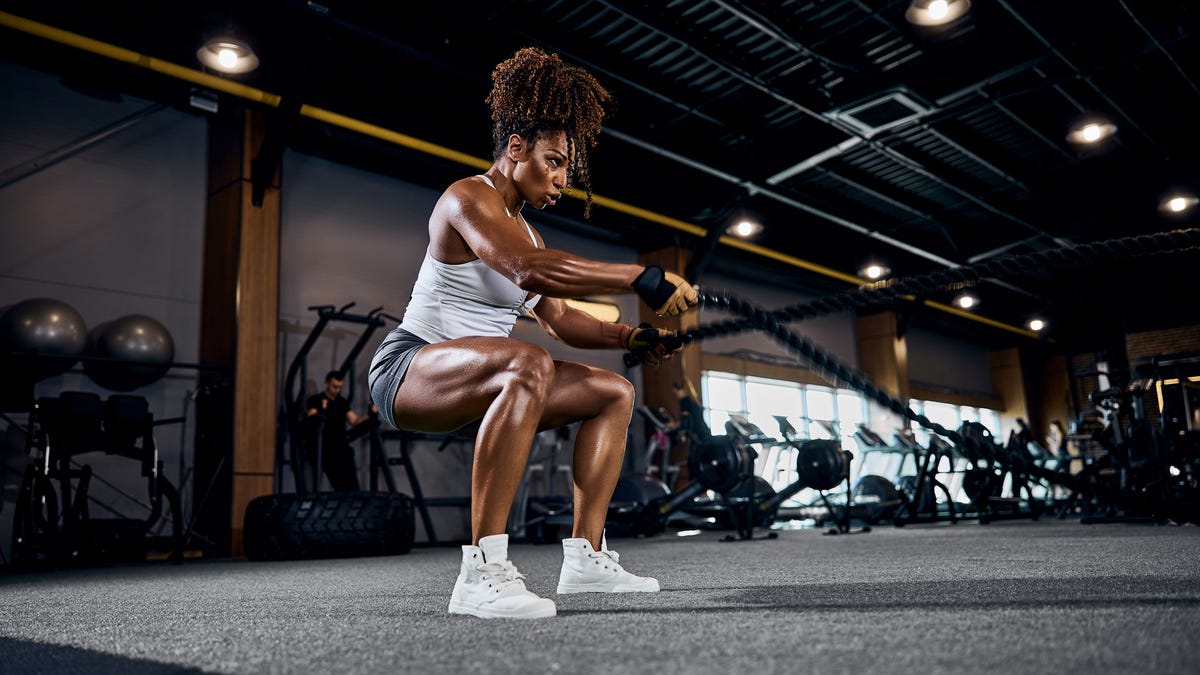
Doctors say body recomposition is possible with the right balance of training, nutrition, and recovery — but it works only under specific conditions.
What happened:
-
Fitness experts highlighted the concept of body recomposition, where people can lose fat and build muscle at the same time through targeted training and nutrition strategies.
Why it matters now:
-
As fitness trends shift away from extreme dieting, more people are looking for sustainable ways to improve body composition without drastic calorie surpluses.
What changes for people:
-
Individuals may focus more on strength training, protein intake, and metabolic signals instead of simply counting calories.
Who is affected:
-
Fitness enthusiasts, beginners starting weight training, health-conscious professionals, and people aiming for sustainable fat loss.
The science behind gaining muscle while losing fat
For years, fitness advice suggested that muscle gain required eating more calories than the body burns. However, newer research and expert insights show that body recomposition can happen under the right conditions.
According to Dr Ravi Prakash, a senior consultant in cardiology at PSRI Hospital, the key lies in maintaining a moderate caloric deficit — not an extreme one. When combined with resistance training, the body can use stored fat as energy while still supporting muscle growth.
Key insight: Muscle protein synthesis can increase even when calories are slightly reduced, provided nutrition and training are properly aligned.
Why “signals” matter more than strict calorie counting
Experts say the body responds not just to calories but to physiological signals such as training intensity, recovery, sleep quality, and protein intake.
Strength training sends a signal to preserve and build muscle tissue. Without that stimulus, weight loss may lead to muscle loss instead of fat reduction.
This approach shifts focus from aggressive dieting toward a more balanced routine that supports long-term health rather than rapid transformation.
Who benefits most from body recomposition
While the process is scientifically possible, it does not work equally for everyone.
Fitness professionals say the following groups may see better results:
-
Beginners starting resistance training
-
Individuals returning to workouts after a long break
-
People with higher body fat percentages
Advanced athletes or those already very lean may find it harder to gain muscle without increasing calorie intake.
Nutrition, recovery, and training: the three pillars
Experts emphasise that success depends on a combination of factors rather than a single diet rule.
Protein-rich meals help support muscle repair, while consistent resistance training triggers growth signals. Adequate sleep and stress management also play a role, as hormonal balance affects how efficiently the body uses energy.
Key fact: Extreme calorie cuts can backfire by slowing metabolism and reducing muscle-building capacity.
Multiple perspectives from health professionals
Some fitness coaches see body recomposition as a more realistic and sustainable alternative to traditional bulking and cutting cycles.
However, nutrition experts caution that expectations should remain realistic. Progress may be slower compared to dedicated muscle-gain phases, and results depend heavily on consistency and individual physiology.
Doctors also stress that people with existing health conditions should consult professionals before making major dietary or training changes.
Impact on modern fitness culture
The idea of “signals over calories” reflects a broader shift in wellness trends — moving away from crash diets toward strength-focused routines.
As wearable technology and personalised fitness coaching become more common, more people are adopting data-driven approaches to improve body composition without extreme lifestyle changes.
The concept also aligns with growing awareness about metabolic health, injury prevention, and sustainable long-term fitness.