
Sheikh Hasina, speaking from India, urges Bangladeshis to rise against interim Yunus government
What happened:In her first public address since going into exile, former Bangladesh prime minister Sheikh Hasina delivered a sharp attack on the interim administration led...
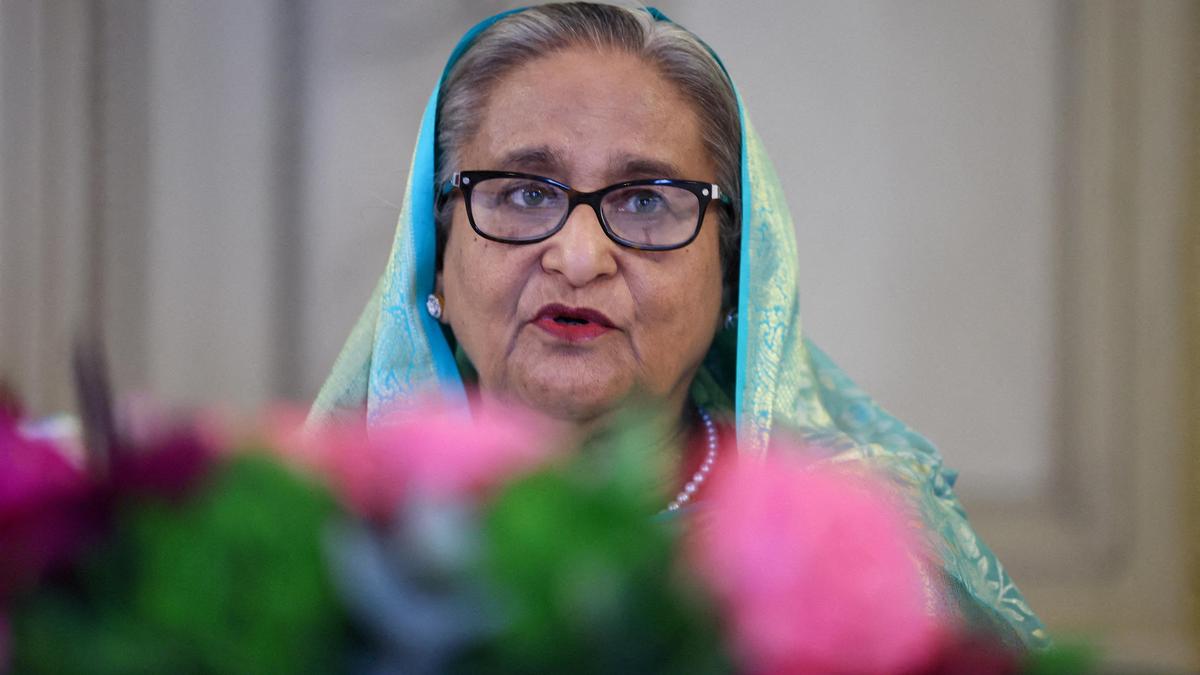
What happened:
In her first public address since going into exile, former Bangladesh prime minister Sheikh Hasina delivered a sharp attack on the interim administration led by Muhammad Yunus, accusing it of authoritarianism, violence, and undermining democracy.
Where and when:
The address was delivered on Friday via a pre-recorded audio message played at an event titled “Save Democracy in Bangladesh” at the Foreign Correspondents Club. Hasina has been living in self-imposed exile in India since August 2024.
Why it matters now:
Her speech comes less than three weeks before Bangladesh’s general election scheduled for February 12, from which her party, the Awami League, has been barred. Election campaigning began a day before her address.
What Hasina said:
Hasina called on citizens to unite against what she described as an “illegal” interim government, alleging that democracy, human rights, and constitutional order have collapsed under Yunus’ leadership.
She accused the administration of failing to ensure law and order, claiming that violence, torture, and sexual assault against women and girls remain unchecked, while religious minorities face persecution.
“Democracy is now in exile. Human rights have been trampled into the dust,” she said, adding that freedom of the press has been extinguished and that Bangladesh has entered an “age of terror.”
Criticism of Muhammad Yunus:
Hasina repeatedly targeted Yunus, branding him a “corrupt, power-hungry traitor” and accusing him of orchestrating a conspiracy to remove her government in August 2024. She alleged that extremist and foreign-backed forces had gained ground under his watch, though she offered no evidence to support the claim.
Demands raised:
On behalf of the Awami League, Hasina outlined five key demands, including:
-
Removal of the interim Yunus administration
-
Restoration of democracy and constitutional order
-
An immediate halt to violence and lawlessness
-
“Ironclad guarantees” for the safety of religious minorities, women, and vulnerable groups
-
An end to what she called politically motivated legal actions against journalists and opposition members
She said free and fair elections would not be possible “until the shadow of the Yunus clique is lifted.”
Call for international role:
Hasina urged the United Nations to conduct what she described as a “new and truly impartial investigation” into events following the collapse of her government, arguing that reconciliation cannot occur through “vengeance-driven politics.”
Political backdrop:
Hasina’s Awami League played a central role in Bangladesh’s 1971 Liberation War, a legacy she repeatedly invoked while appealing to democratic and non-communal forces to oppose the interim setup.
A Bangladesh court sentenced Hasina to death in November 2025 for crimes against humanity, a verdict her supporters have rejected as politically motivated.
What’s next:
With the Awami League barred from the polls and many of its senior leaders in exile, the upcoming election is expected to be dominated by the Bangladesh Nationalist Party (BNP), with Jamaat-e-Islami projected to gain ground.
Hasina’s speech appears aimed at keeping her party politically relevant amid continuing unrest linked to her exile and the transition of power in Bangladesh.