
“She was my superwoman”: Twinkle Khanna on the childhood moment that shaped her views on strength and gender
What happened: Twinkle Khanna shared a deeply personal childhood memory that shaped her belief in women’s strength and independence. Why it matters now: Her reflection...
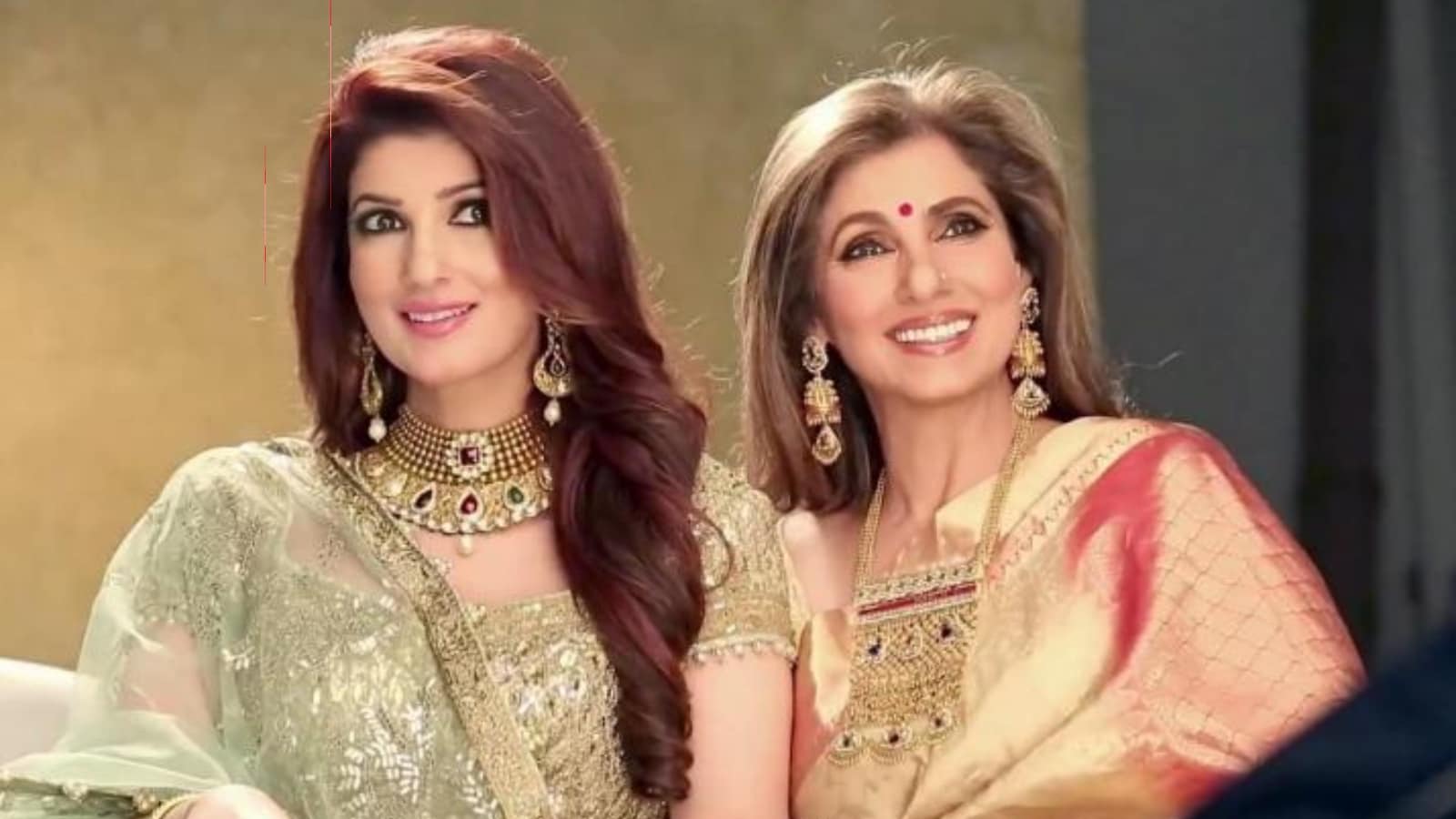
-
What happened: Twinkle Khanna shared a deeply personal childhood memory that shaped her belief in women’s strength and independence.
-
Why it matters now: Her reflection adds to ongoing conversations around gender equality, single motherhood, and role modelling.
-
What changes for people: The story highlights how values are often learned through everyday actions, not formal lessons.
-
Who is affected: Parents, young women, families, and audiences engaging with questions of equality and empowerment.
Twinkle Khanna has spoken candidly about a defining moment from her childhood that shaped how she views strength, gender, and independence. Watching her mother raise two daughters on her own, she says, quietly instilled in her a belief that women were not just equal but capable of extraordinary resilience.
A lesson learned without words
Recalling her early years, Twinkle described growing up in a household led entirely by her mother. There were no long conversations about feminism or equality. Instead, the lesson came from what she witnessed every single day.
She remembered her mother waking up at five every morning, balancing multiple responsibilities with unwavering discipline. The day began with work, caregiving, and physical training, all carried out seamlessly in the same space where her daughters slept and played.
For a child, these moments left a lasting impression.
Seeing strength in routine
Twinkle recalled watching her mother exercise quietly at home, following workout routines while preparing for long working days. Even during exhaustion, her mother maintained professionalism, self-care, and presence for her children.
She described these early-morning scenes as transformative. In her eyes, her mother was not just managing life. She was mastering it.
That image of consistency, discipline, and self-respect shaped Twinkle’s understanding of what strength looked like. It was not loud or performative. It was steady, relentless, and deeply human.
How single-parent households shape belief systems
Twinkle’s reflection resonates with many who grow up in single-parent families, where responsibility is concentrated and resilience is non-negotiable. Children in such households often learn about equality through lived reality rather than theory.
Psychologists note that early exposure to capable, independent caregiving figures strongly influences how children perceive gender roles later in life. When strength is modelled daily, it becomes normalised.
In Twinkle’s case, that normalisation led her to assume that women were naturally capable of carrying more weight, emotionally and practically.
Rethinking “superiority” and equality
As an adult, Twinkle has reflected on how her early belief in women’s superiority later evolved into a more nuanced understanding of equality. She has acknowledged that her childhood lens was shaped by admiration rather than ideology.
That shift mirrors the journey many people take. Childhood heroes often define belief systems that are later refined by broader social experiences.
Yet, she has remained clear on one point. The admiration never faded. The respect for the labour, discipline, and sacrifice she witnessed only deepened with time.
Why stories like this resonate today
At a time when discussions around gender roles, unpaid labour, and emotional work are increasingly visible, personal stories like this cut through abstraction. They show how equality is learned at home, long before it is debated in public spaces.
For many readers, the memory echoes their own upbringing, where strength was demonstrated quietly through routine, responsibility, and care.
It also reframes conversations about empowerment. Not all influence comes from grand gestures. Sometimes, it comes from simply showing up every day.
A broader cultural reflection
Twinkle’s account adds to a growing body of narratives where public figures are revisiting childhood experiences to explain adult values. These reflections humanise larger debates around feminism and independence, grounding them in lived experience.
Cultural observers say such stories matter because they validate everyday resilience, especially that of women whose work often goes unrecognised.
Why this matters now
In a world where equality is often discussed in policies and slogans, this reflection reminds audiences that beliefs are shaped far earlier, through observation and example.
It reinforces the idea that role models do not need platforms or speeches. Sometimes, they are simply parents doing their best under difficult circumstances.