
“Sewage in Drinking Water Kills 10 in Indore, Exposes Gaps in Urban Water Safety”
At least 10 people, including a five-month-old baby, have died and more than 270 others were hospitalised in Indore after drinking sewage-contaminated water. The incident...
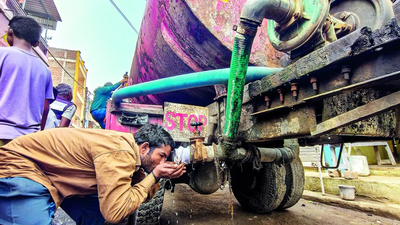
At least 10 people, including a five-month-old baby, have died and more than 270 others were hospitalised in Indore after drinking sewage-contaminated water. The incident happened in Bhagirathpura, a crowded, low-income area of the city.
Residents had complained for months that their tap water smelled bad, but officials did not act in time.
Indore’s mayor, Pushyamitra Bhargava, said that sewage was mixing into the main water supply line. Reports suggest a public toilet was built directly over a drinking water pipe without a proper septic tank, allowing dirty water to leak into the supply.
Many people began falling ill with vomiting, diarrhoea and fever. Water tests confirmed the presence of bacteria usually found in sewage.
Local media said the death toll could be higher, but the government has confirmed 10 deaths so far. At least 32 patients are still in ICU. Health workers have visited homes and identified over 2,400 suspected cases, providing basic treatment.
Some municipal officials have been suspended, and the state government has promised stricter rules to prevent such incidents. Chief Minister Mohan Yadav said no effort would be spared to ensure this does not happen again.
Opposition leader Rahul Gandhi criticised the government, saying clean drinking water is a basic right, not a favour. Experts warned that weak monitoring of water quality across Indian cities is increasing the risk of disease outbreaks.
🔍 A. Causes of the Outbreak
-
Infrastructure failure: A public toilet was constructed directly over a drinking water pipeline without a septic tank, allowing sewage to seep into the supply.
-
Neglected complaints: Residents repeatedly reported foul-smelling water, but authorities failed to act.
-
Poor monitoring: Contamination went undetected until people began falling sick in large numbers.
🏛️ B. Accountability
-
Municipal authorities: Responsible for approving construction and maintaining water pipelines. Officials have been suspended, indicating administrative negligence.
-
Urban planning bodies: Allowed unsafe infrastructure placement in a densely populated area.
-
State government: Ultimately accountable for public health systems and regulatory enforcement.
-
Political responsibility: The opposition has accused the BJP-led government of negligence, framing the crisis as a failure of governance.
📜 C. Policy and System Failures
-
Weak enforcement of safety rules
Building toilets or sewage systems near water pipelines violates basic public health standards, yet such practices continue. -
Inadequate water testing
Across India, many government water-testing labs are not accredited, raising concerns about the reliability and frequency of testing. -
Poor response to citizen complaints
Bureaucratic delays meant that early warning signs were ignored, turning a preventable problem into a deadly outbreak. -
Focus on appearance over infrastructure
Indore is ranked India’s “cleanest city,” but the crisis shows that clean streets and waste segregation do not guarantee safe drinking water.
🩺 D. Public Health Risks
-
Water-borne diseases: Contaminated water can cause diarrhoea, cholera, typhoid, hepatitis A and E—especially deadly for infants, the elderly, and the poor.
-
Urban vulnerability: Rapid urban growth without proper infrastructure increases the risk of similar outbreaks in other cities.
-
Loss of public trust: When basic needs like safe water fail, it erodes confidence in government institutions.
⚠️ E. Why This Is a Wake-Up Call
This tragedy shows that safe drinking water is not just a technical issue—it is a governance issue. Rankings and cleanliness drives mean little if basic infrastructure, testing, and accountability are ignored. Without stricter regulation, better monitoring, and faster response to citizen complaints, similar disasters could occur in other Indian cities.