
SC Issues Notice To Centre Over Plea Challenging NBEMS Decision To Cut NEET-PG Percentile To Zero
The Supreme Court has taken note of concerns that a drastic percentile reduction could compromise merit and training quality in postgraduate medical education, especially as...
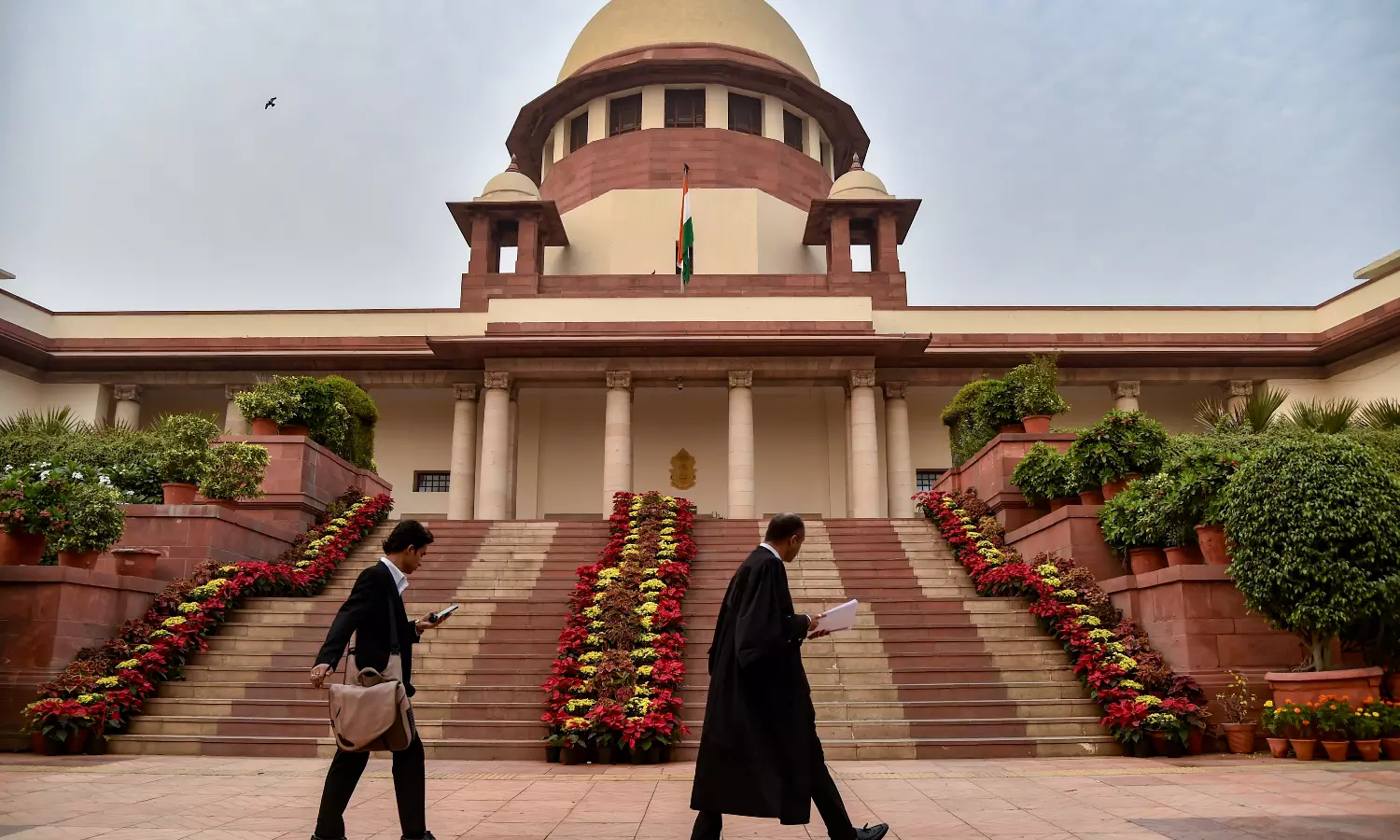
The Supreme Court has taken note of concerns that a drastic percentile reduction could compromise merit and training quality in postgraduate medical education, especially as candidates with extremely low or even negative scores might now enter counselling.
Top Summary
What happened: The Supreme Court of India issued notice to the Centre on a plea challenging NBEMS’s decision to reduce the NEET-PG 2025 qualifying percentile to zero.
Why it matters now: Over 18,000 PG medical seats remained vacant, prompting the National Board of Examinations in Medical Sciences to revise the cut-off dramatically.
What changes for people: Even candidates scoring as low as –40 out of 800 may now participate in the third round of counselling, raising concerns about fairness and training standards.
Who is affected: NEET-PG aspirants, medical colleges, state counselling authorities, and the Ministry of Health.
The Supreme Court on Wednesday sought the Centre’s response after a petition challenged NBEMS’s unprecedented decision to slash the NEET-PG qualifying percentile from 40 (for reserved categories) and 50 (general category) all the way down to zero.
The petitioner argued that such a reduction dilutes merit, undermines academic quality, and disrupts the credibility of postgraduate medical training.
Why NBEMS lowered the cut-off
This year saw an unusually high number of vacant PG seats:
18,000+ seats across India remained unfilled after initial rounds
Colleges reported shortages in non-clinical and certain clinical specialties
Counselling authorities flagged declining participation
To avoid seats going vacant, NBEMS reduced the qualifying percentile to zero, allowing nearly all candidates — including extremely low scorers — into the counselling pool.
Officials argued that vacant seats harm the healthcare system more than low qualifying scores do, especially in government colleges that depend on PG residents for service delivery.
The controversy: quality vs utilisation
The move has divided the medical community.
Concerns include:
Allowing candidates with negative scores (as low as –40/800)
Risk of underprepared residents in critical specialties
A potential decline in patient care quality
Erosion of exam credibility
Supporters argue:
Vacant seats create long-term shortages
Many non-clinical branches see low applicant interest
Training frameworks, not entrance marks alone, determine competence
The issue now sits at the intersection of public health needs, academic merit, and regulatory responsibility.
What the Supreme Court will examine
The bench is expected to consider:
Whether NBEMS and the Centre followed due process
If the percentile reduction undermines meritocratic norms
Implications for patient safety and academic standards
Whether alternate mechanisms could have been used to fill vacancies
The Court has sought a detailed response before deciding on interim relief or further directions.