
Sanae Takaichi Set to Become Japan’s First Woman Prime Minister Amid Conservative Wave
Sanae Takaichi, a staunch conservative and longtime member of Japan’s Liberal Democratic Party (LDP), is poised to become the island nation’s first female Prime Minister...
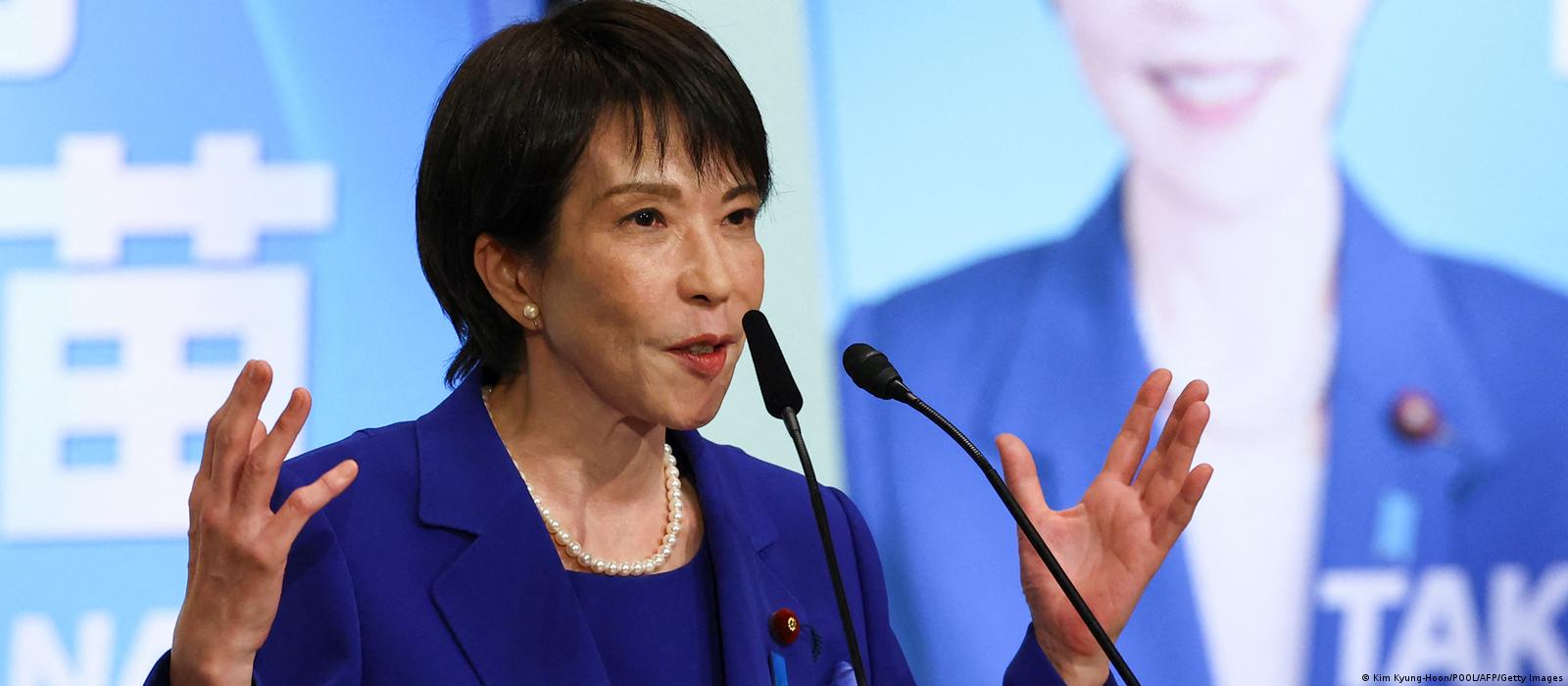
Sanae Takaichi, a staunch conservative and longtime member of Japan’s Liberal Democratic Party (LDP), is poised to become the island nation’s first female Prime Minister after winning the party’s leadership election on Saturday. Her rise signals a shift toward hardline policies on immigration, national security, and economic conservatism, analysts say.
Takaichi, 64, has emphasized a nation-first approach, pledging to revisit Japan’s post-World War II constitutional article that bars the country from engaging in wars, and adopting a tough stance on China’s military presence in the Pacific. She is also prepared to challenge the United States if ongoing trade deals are deemed harmful to Japan.
A follower of the assassinated former Prime Minister Shinzo Abe, Takaichi enjoys strong support among conservative LDP members. Her economic policies align with Abe’s “Abenomics,” advocating monetary easing and increased fiscal spending.
Takaichi’s conservative credentials extend to social issues. She regularly visits the Yasukuni Shrine, which honours Japan’s war dead, including convicted war criminals, drawing scrutiny from neighbouring countries. Despite becoming a milestone for gender representation, she is not considered a feminist candidate, opposing reforms such as changes to a 19th-century law requiring married couples to share a surname, a rule affecting women disproportionately.
Nevertheless, Takaichi has pledged to improve gender balance in her cabinet to Nordic levels, citing higher representation of women in countries like Iceland, Finland, and Norway. Analysts note her leadership will likely advance women’s participation in politics without challenging Japan’s existing patriarchal norms.
Once a college heavy metal drummer with pink hair, Takaichi gave up motorcycles upon entering politics. Inspired by the late British Prime Minister Margaret Thatcher, she blends tough conservatism with a moderate image, a strategy aimed at appealing to a broader voter base amid rising support for nationalist and anti-immigration parties such as Sanseito.
Her leadership comes at a time of voter dissatisfaction over inflation and political scandals, and her hardline positions on crime, economic security, and foreign influence are expected to define Japan’s political landscape in the coming years.