
Russia Fires Oreshnik Hypersonic Missile at Ukraine, Escalating War Near Europe’s Borders
What happened: Russia launched its Oreshnik hypersonic missile during a large overnight assault on Ukraine, alongside hundreds of drones and dozens of other missiles. Why...
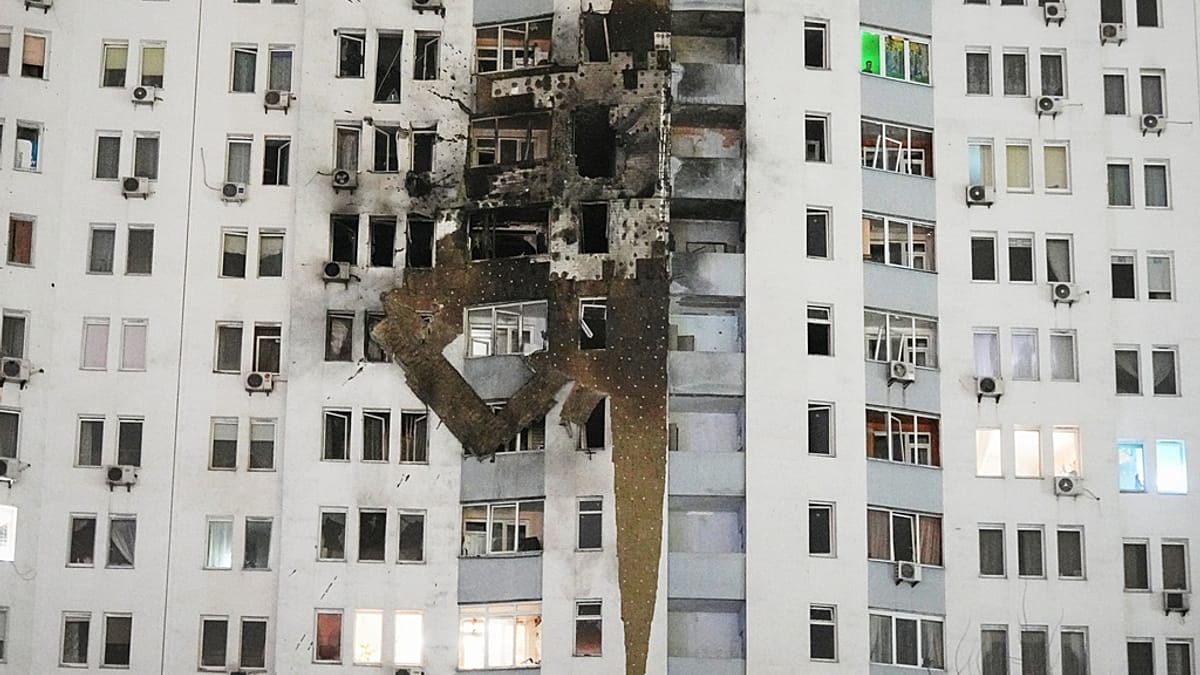
What happened: Russia launched its Oreshnik hypersonic missile during a large overnight assault on Ukraine, alongside hundreds of drones and dozens of other missiles.
Why it matters now: The strike marks only the second known use of the Oreshnik, a weapon Moscow claims can reach all of Europe at extreme speed.
What changes for people: The attack killed at least four civilians and injured 25 in Kyiv, raising fresh fears over air safety and escalation.
Who is affected: Ukrainian civilians, European security planners, and NATO members monitoring risks near the EU border.
Russia has sharply raised the stakes in its war on Ukraine by deploying the Oreshnik hypersonic missile, a weapon that travels at nearly 10 times the speed of sound, during a massive overnight bombardment. Ukrainian officials say the strike underlines a dangerous shift in Moscow’s tactics as the conflict enters another volatile phase.
The assault hit Kyiv and other regions early Friday, January 9, 2026, combining ballistic missiles, cruise missiles, drones, and the Oreshnik system. The attack came amid heightened rhetoric from Moscow and growing concern across Europe about the war spilling closer to EU and NATO territory.
What Ukraine says about the attack
President Volodymyr Zelensky stated that Russia fired 13 ballistic missiles, 22 cruise missiles, and 242 drones, in addition to the Oreshnik missile. He confirmed that residential areas were struck and that the Qatari Embassy in Kyiv suffered damage.
Ukraine’s Foreign Minister Andrii Sybiha described the strike as a serious threat to continental security, warning that a missile launched so close to Europe’s borders tests the resolve of the transatlantic alliance.
Russia’s justification and disputed claims
Russia’s Defence Ministry said the barrage was retaliation for an alleged Ukrainian attempt to strike President Vladimir Putin’s residence. Kyiv has denied carrying out any such attack, while US President Donald Trump publicly stated that the claim never happened.
These conflicting accounts underscore the deepening information war surrounding the conflict, with both sides accusing each other of provocation.
Why the Oreshnik missile is alarming
The Oreshnik is a hypersonic missile capable of reaching speeds of around 13,000 km per hour and a reported range of up to 5,500 kilometres. Russian military officials claim it is extremely difficult to intercept, even when armed with a conventional warhead.
President Putin has previously portrayed the missile as a strategic game changer, arguing that its speed and maneuverability make existing air defenses largely ineffective.
This was only the second confirmed use of the Oreshnik, following a strike on Dnipro in November 2024, according to international reports.