
Rujuta Diwekar outlines three health trends she believes will define 2026
Celebrity nutritionist Rujuta Diwekar has identified three major health trends she expects to shape 2026. • The prediction matters as lifestyle diseases and metabolic disorders...
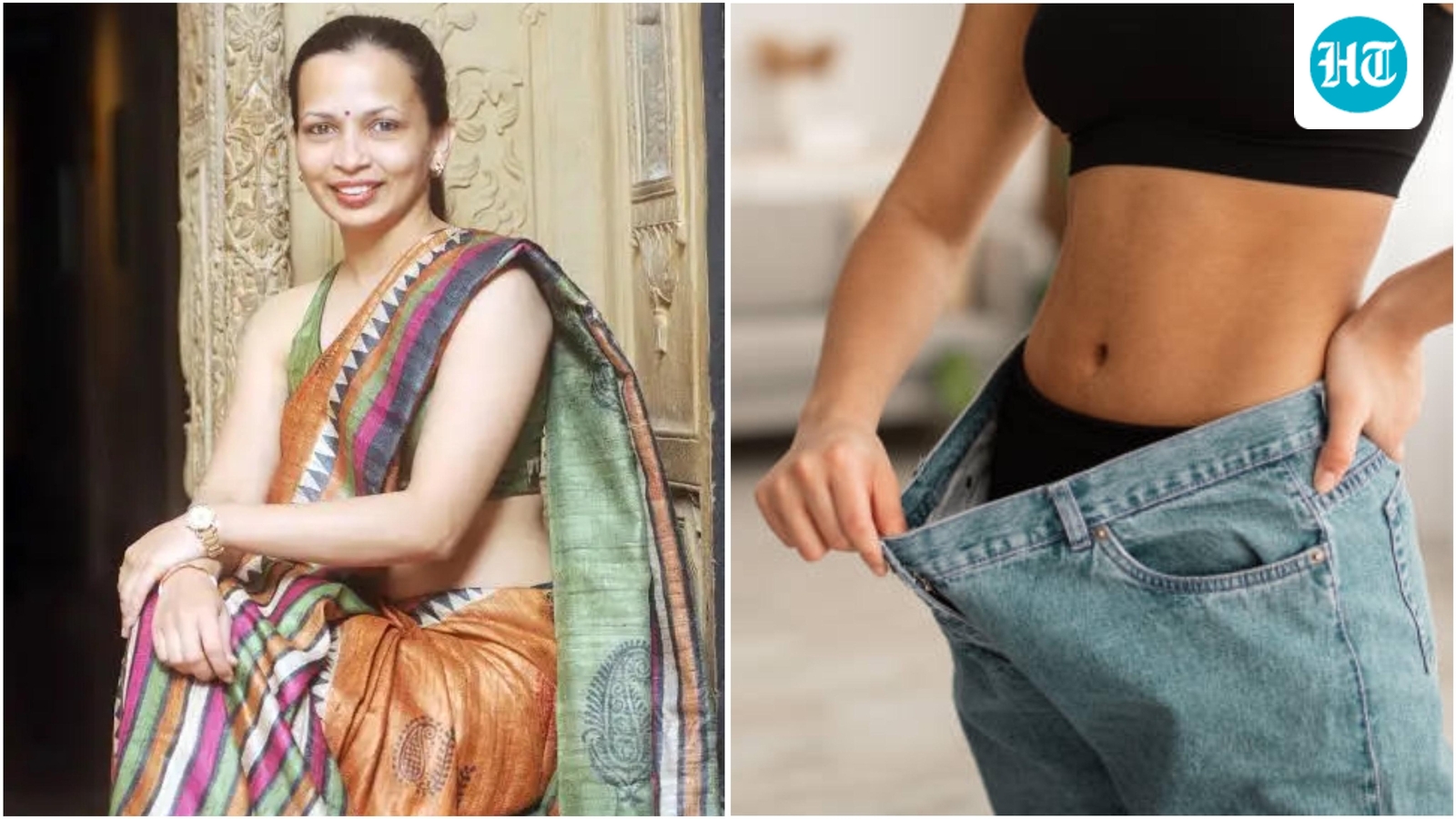
Celebrity nutritionist Rujuta Diwekar has identified three major health trends she expects to shape 2026.
• The prediction matters as lifestyle diseases and metabolic disorders continue to rise across India and other developing nations.
• The focus shifts from shortcuts to sustainable, culturally rooted health practices.
• Urban families, working professionals, and younger Indians are likely to be most impacted.
As the new year pushes many to rethink their health priorities, celebrity nutritionist Rujuta Diwekar has shared what she believes will be the defining health trends of 2026. Known for working with actors such as Kareena Kapoor, Saif Ali Khan, Alia Bhatt, and Varun Dhawan, Diwekar says the coming year will move people away from extremes and back toward balance.
In a recent social media post, Diwekar expressed hope that India and other developing countries adopt healthier, long-term approaches, rather than chasing imported fads or quick fixes.
Trend 1: Local, seasonal eating over imported “superfoods”
According to Rujuta Diwekar, 2026 will see a stronger return to local and seasonal foods, replacing dependence on expensive, imported health products.
She has consistently advocated for traditional Indian diets built around millets, seasonal fruits, vegetables, ghee, curd, and home-cooked meals, noting that these foods are better aligned with regional climates and digestion.
Nutrition experts say this shift could also have broader benefits for the economy and environment, supporting local farmers while reducing food miles.