
Rotovac Vaccine Proven Effective Across India, Says Dr. Gagandeep Kang
Dr. Gagandeep Kang, principal investigator in the phase III trials of the Rotovac vaccine, expressed enthusiasm over new nationwide evidence confirming the vaccine’s effectiveness against...
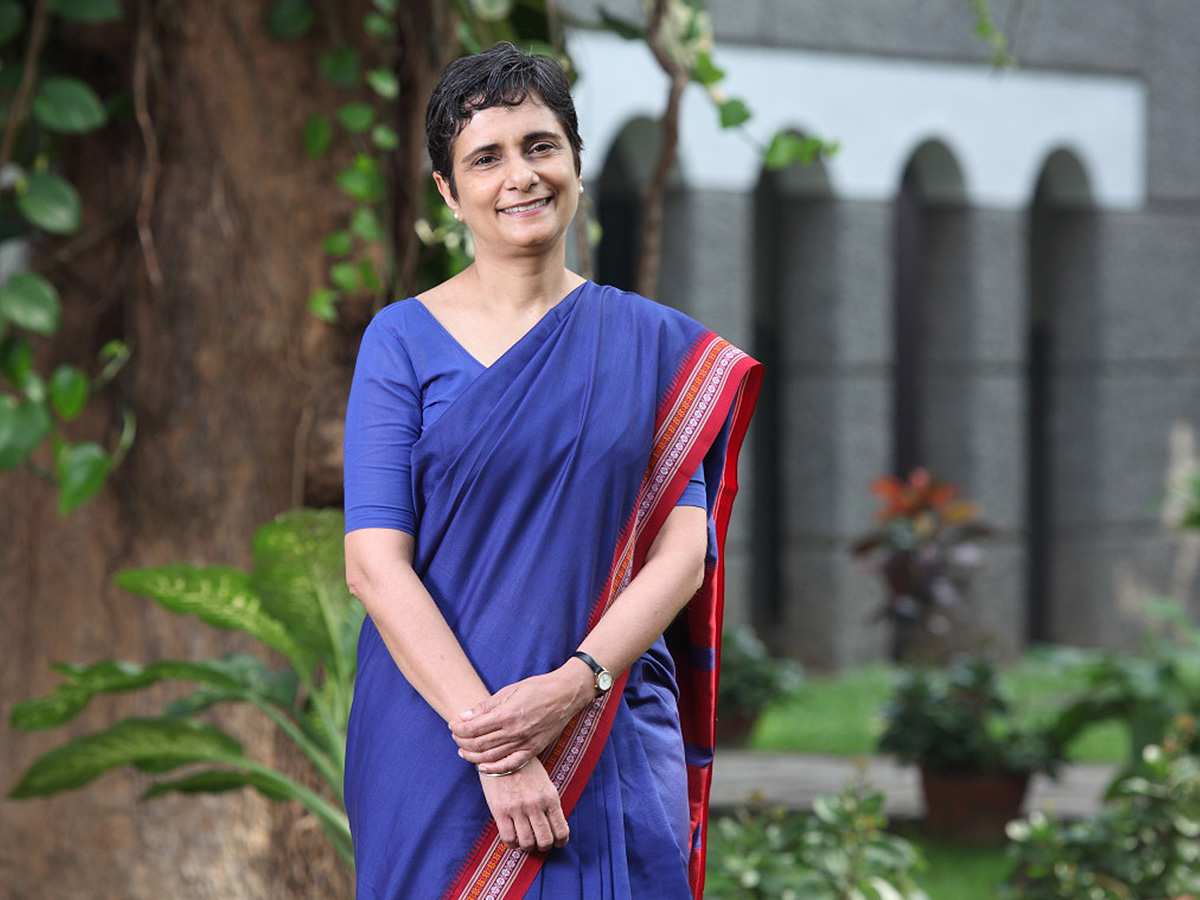
Dr. Gagandeep Kang, principal investigator in the phase III trials of the Rotovac vaccine, expressed enthusiasm over new nationwide evidence confirming the vaccine’s effectiveness against rotavirus-related gastroenteritis.
Currently director of the global health team at the Bill and Melinda Gates Foundation, Dr. Kang previously led extensive surveillance work at Christian Medical College, Vellore, which helped in the development and testing of Rotovac. The vaccine was a collaborative effort involving Bharat Biotech, the Department of Biotechnology, the NIH, CDC, Stanford University, PATH, and support from the Gates Foundation.
Speaking from Seattle, Dr. Kang noted the importance of measuring real-world impact beyond clinical trials. “Trials recruit healthy children under monitored conditions, but in the real world, children may be malnourished or miss doses,” she said. A test-negative hospital-based study involving over 4,000 children showed Rotovac’s effectiveness at about 54%, consistent with trial results.
Addressing safety concerns, Dr. Kang clarified that Rotovac does not cause intussusception, a serious intestinal condition that had raised earlier alarms.
Impact on India’s Immunisation Efforts
Dr. Kang highlighted that Rotovac’s inclusion in the Universal Immunisation Programme (UIP) has been transformative. “India is vaccinating about 90% of the target population, which is remarkable given the large birth cohort,” she said, stressing the need to reach the remaining 10%.
“This shows that Rotovac is on par with any global vaccine and underscores the quality of Indian vaccine production,” Dr. Kang added.
A Tool for Equity
Dr. Kang emphasized that the UIP is key to ensuring equitable access to vaccines, allowing all children, regardless of socio-economic status, to be protected. She noted that while vaccines like measles were added decades ago, recent inclusions such as Pentavalent, Rotavirus, and pneumococcal vaccines have strengthened the programme. HPV and typhoid vaccines are also approved for future inclusion.
On the issue of vaccine skepticism, Dr. Kang called for building trust in science through transparency and evidence-based communication. “We must openly share what we know and what we don’t,” she said, urging the public and policymakers to counter misinformation collaboratively.