
Revenge in a sweet box: How poisoned pedas exposed a chilling family plot in Madhya Pradesh
Arsenic-laced sweets left at a tea stall killed three people, revealing a grim story of humiliation, anger, and betrayal Top Summary What happened: Three people...
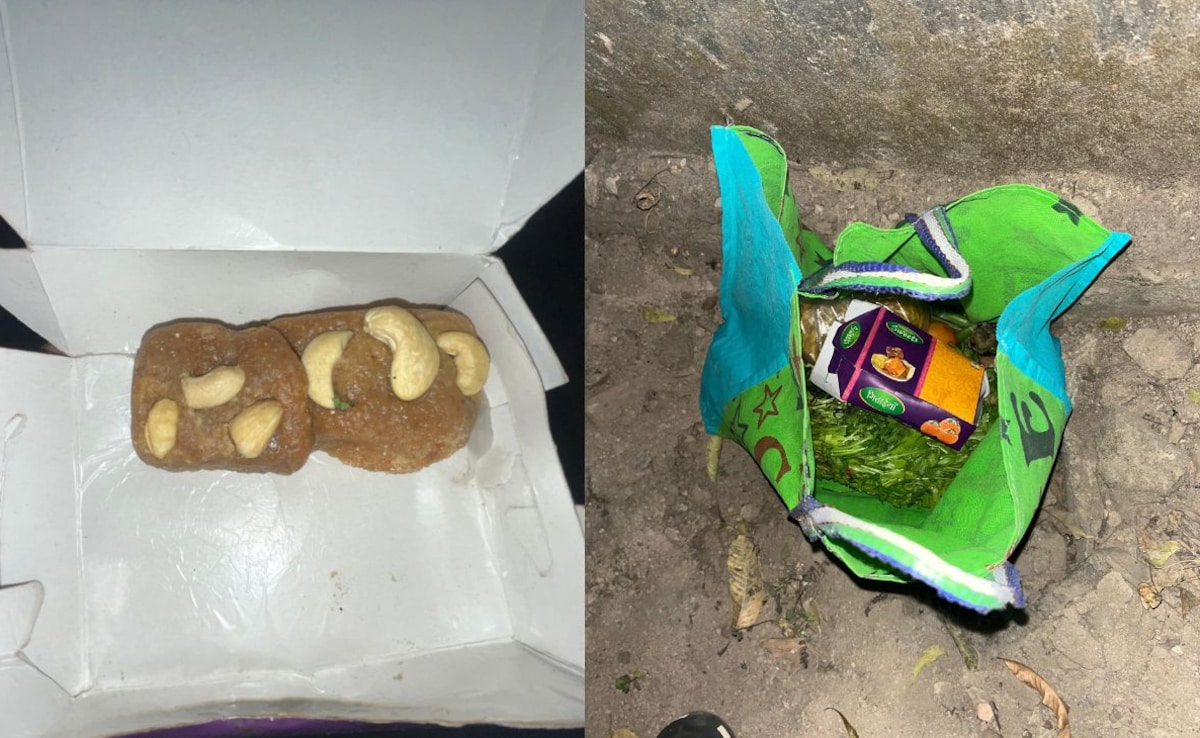
Arsenic-laced sweets left at a tea stall killed three people, revealing a grim story of humiliation, anger, and betrayal
Top Summary
-
What happened: Three people died after eating arsenic-laced pedas found in a gift box in Madhya Pradesh’s Chhindwara.
-
Why it matters now: Police say the crime was driven by family humiliation and revenge, not random violence.
-
What changes for people: The case raises alarms over food safety, domestic disputes, and targeted poisoning.
-
Who is affected: The victim’s family, local residents, and communities vulnerable to interpersonal crimes.
What happened:
What began as a chilling mystery in Chhindwara has now been laid bare as a calculated act of revenge.
Police say a box of pedas laced with arsenic, left near a roadside tea stall, led to the deaths of three people over a span of days. The sweets were wrapped like a gift, making the danger impossible to detect.
After weeks of investigation, police arrested three members of the victim’s in-laws’ family, accusing them of plotting the poisoning.
Why it matters now:
The case underscores how domestic conflicts can escalate into extreme violence, with innocent people becoming collateral damage.
Authorities say the crime was not impulsive but premeditated, involving:
-
Procurement of poison
-
Targeted placement of sweets
-
Disregard for unintended victims
It also highlights how everyday items like food can be weaponised.
What changes for people:
-
Heightened vigilance around unverified food gifts
-
Renewed focus on family counselling and dispute resolution
-
Greater scrutiny of poisoning cases that initially appear accidental
Who is affected:
-
Families involved in domestic disputes
-
Local vendors and small shopkeepers
-
Residents in semi-urban and rural communities
-
Law enforcement handling covert poisoning cases
How the plot unfolded
According to police, the poisoned pedas were placed at the tea stall run by the victim’s father.
The accused:
-
Jhadu Kasar (father-in-law)
-
Shubham (brother-in-law)
-
Shivani (sister-in-law)
are alleged to have acted together.
The tea stall owner took the box home, believing it to be a harmless gift. His daughter Khushbu and her grandfather consumed the sweets and later died. A third victim, a guard at a Public Health Engineering (PHE) office, also ate the pedas and succumbed.
Police said Khushbu’s husband was unaware of the plan.
Motive: humiliation and revenge
Investigators say Khushbu married in 2023 but returned to her parents’ home on December 3, 2025, after disputes with her in-laws.
Police allege that:
-
She spoke openly about her treatment after returning
-
Her in-laws felt publicly humiliated
-
The family decided to “teach a lesson”
That resentment, police say, turned deadly.
From mystery to arrests
Initially, the deaths baffled residents and investigators alike. The delayed onset of symptoms and multiple victims complicated the probe.
Forensic analysis later confirmed arsenic poisoning, leading police to trace:
-
The source of the sweets
-
The purchase of poison
-
The chain of access and motive
The arrests were made on Sunday, ending weeks of speculation.
Bottom line
The Chhindwara pedas case is a chilling reminder that revenge rooted in family conflict can spiral into irreversible tragedy. What was meant as targeted harm ended up killing three people — exposing how fragile the line is between private anger and public catastrophe.