
Qatar LNG Exports Crippled by Iranian Strikes: India Supply Threatened
Iranian strikes on Qatar's LNG plant disrupt supplies, impacting India and global markets.
Top Summary
- What happened: Iranian missile attacks severely damaged Qatar's Ras Laffan LNG plant, disrupting 17% of its LNG export capacity.
- Why it matters: The disruption threatens long-term LNG supplies to key markets including India, China, South Korea, Italy and Belgium, potentially impacting energy security.
- What changes for people: India, which imports 20% of its natural gas from Qatar, faces potential supply shortages and price volatility. Consumers may experience higher energy costs.
- Who is affected: QatarEnergy, ExxonMobil, Shell, and countries relying on Qatari LNG, including India, China, South Korea, Italy, and Belgium, along with industries dependent on Qatari gas byproducts.
Devastating Strikes on Qatar's LNG Plant
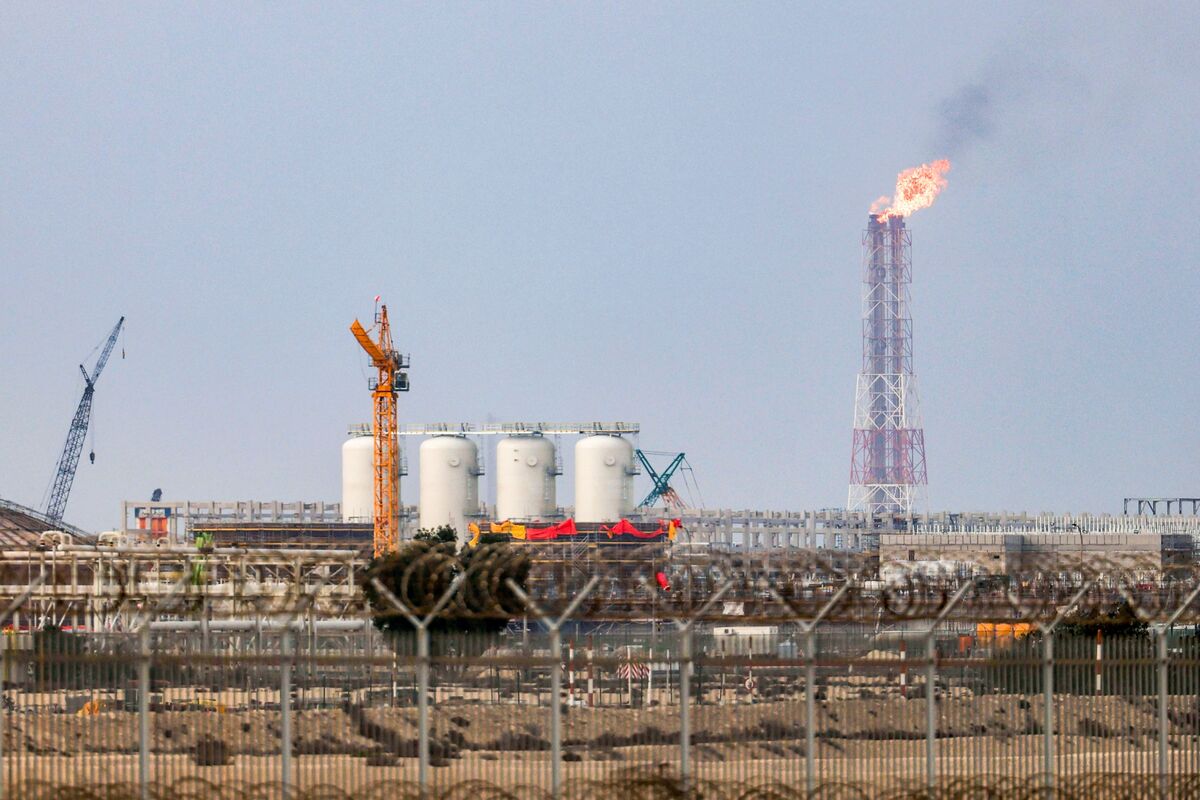
Qatar's LNG export capacity has been crippled by Iranian strikes, resulting in an estimated $20 billion in lost annual revenue, according to QatarEnergy CEO Saad al-Kaabi.
The attacks damaged at least two of Qatar's 14 LNG trains and one of its two gas-to-liquids (GTL) facilities. Al-Kaabi expressed shock at the attacks, stating,
"I never in my wildest dreams would have thought that Qatar would be -- Qatar and the region -- in such an attack, especially from a brotherly Muslim country in the month of Ramadan, attacking us in this way."
Force Majeure Declared: Supply Disruptions Loom
QatarEnergy has declared force majeure on long-term contracts for LNG supplies for up to five years. Deliveries to Italy, Belgium, South Korea, and China are expected to be impacted.
12.8 million tonnes per year of LNG production will be sidelined for three to five years due to the damage. QatarEnergy has already declared force majeure.
India's Energy Security at Risk
India imports roughly 20% of its natural gas requirements from Qatar. Disruption of Qatari LNG supplies poses a significant threat to India's energy security and could lead to price increases for consumers.
The attacks have set the region back 10 to 20 years, according to al-Kaabi.
Wider Economic Fallout
Beyond LNG, Qatar's exports of condensate are projected to drop by around 24%, while LPG will fall 13%. Helium output will fall 14%, and naphtha and sulphur will both drop by 6%.
These losses will have implications for various industries, including restaurants in India that use LPG and South Korean chipmakers that rely on helium.
Impact on Key Stakeholders
US oil major ExxonMobil holds a 34% stake in LNG train S4 and a 30% stake in train S6. Shell is a partner in the damaged GTL facility, which will take up to a year to repair.
Train S4 impacts supplies to Italy's Edison and EDFT in Belgium, while Train S6 impacts South Korea's KOGAS, EDFT and Shell in China.
North Field Expansion Delayed
Work on Qatar's massive North Field expansion project is currently halted and could be delayed for more than a year.
The damaged units cost approximately $26 billion to build. Al-Kaabi emphasized the need for all parties to stay away from oil and gas facilities, stating,
"And so now, in addition to that, I'm saying that everybody in the world, whether it's Israel, whether it's the US, or whether it's any other country, everybody should stay away from oil and gas facilities."
What to Watch Next
The world awaits the cessation of hostilities and the commencement of repairs to the damaged facilities. Monitor QatarEnergy's announcements regarding updated timelines for resuming LNG exports and the impact on long-term contracts.