
Punjab Police File FIRs Over Casteist, Hate-Filled Posts Targeting CJI Gavai After Supreme Court Shoe-Throwing Incident
Days after an advocate attempted to hurl a shoe at Chief Justice of India B.R. Gavai during Supreme Court proceedings, the Punjab Police have registered...
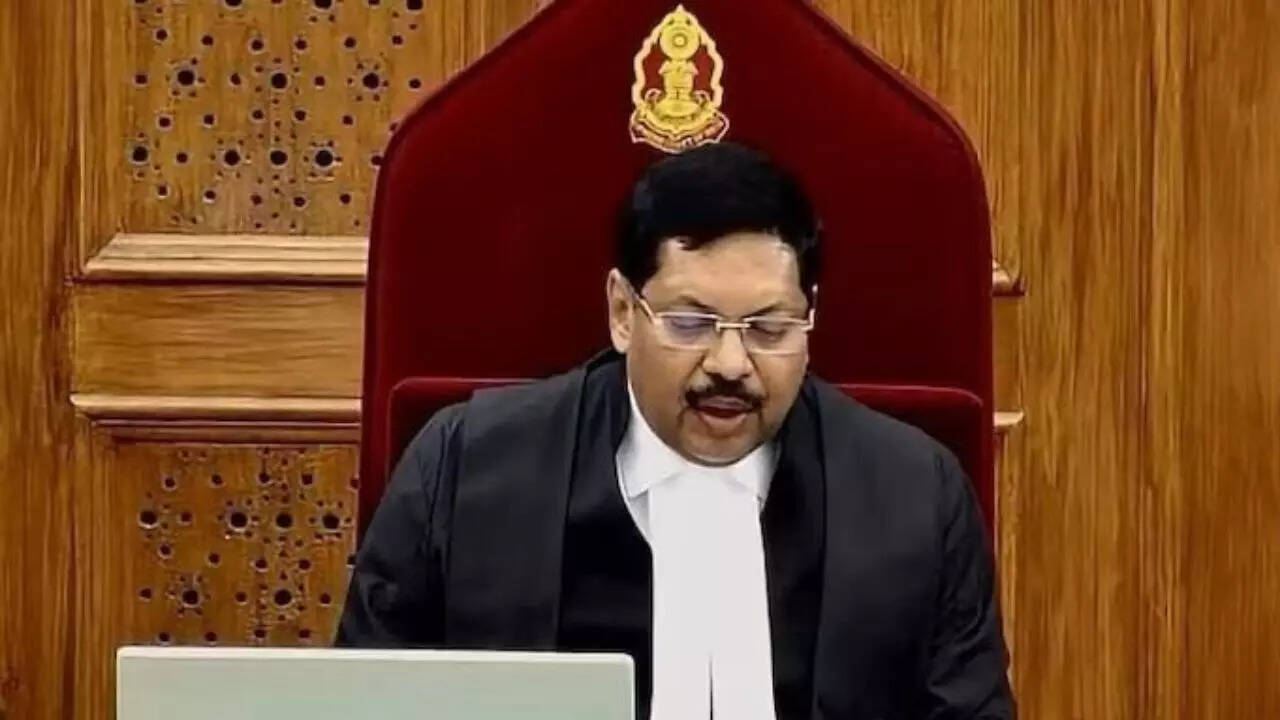
Days after an advocate attempted to hurl a shoe at Chief Justice of India B.R. Gavai during Supreme Court proceedings, the Punjab Police have registered multiple FIRs against over 100 social media users accused of posting casteist and inflammatory content targeting the Chief Justice. Authorities say the posts contained language intended to provoke violence and disrespect the constitutional office of the CJI.
FIRs Across Punjab Over Online Hate Speech
A Punjab Police spokesperson confirmed that complaints were received from several districts against numerous social media handles spreading hateful content. Many of these posts allegedly carried caste-based slurs and attempts to incite enmity and public disorder.
“The posts included content aimed at provoking violence, intimidating and insulting a member of a Scheduled Caste, and promoting caste-based hatred and ill will,” the police statement said. FIRs have been registered under relevant sections of the Indian Penal Code, the Scheduled Castes and Scheduled Tribes (Prevention of Atrocities) Act, and the Information Technology Act.
The police added that a special team is tracing the digital footprint of the offenders and verifying their identities. “Strict legal action will be taken against those spreading hate or disrespecting constitutional authorities,” the statement said.
The Courtroom Incident That Sparked Outrage
The online hate campaign erupted following an unprecedented event at the Supreme Court of India on Monday, when a man dressed in a lawyer’s robe attempted to throw an object — reportedly a shoe or a paper roll — at CJI Gavai during a hearing.
Eyewitnesses said the man shouted, “Sanatan Dharam ka apmaan nahi sahega Hindustan” (“India will not tolerate disrespect towards Sanatan Dharma”) before being swiftly detained by security personnel. The courtroom proceedings were briefly disrupted but resumed within minutes.
Displaying composure, the Chief Justice reportedly told lawyers, “Don’t get distracted. We are not distracted by this.” His calm response drew widespread praise across the legal community.
Who Was the Attacker?
The individual was identified as Rakesh Kishore, a 71-year-old advocate who was reportedly angered by the Chief Justice’s earlier remarks while dismissing a plea seeking the restoration of a dilapidated Lord Vishnu temple in Khajuraho.
The Bar Council of India (BCI) has suspended Kishore from practice, condemning his act as “a grave insult to the dignity of the judiciary.” The Delhi Police detained him briefly but later released him after the Supreme Court Registrar declined to pursue further legal action.
Broader Implications: A Test for Digital Accountability
The Punjab Police’s crackdown underscores growing concerns about the weaponization of social media against judges, institutions, and public officials. Legal experts say such posts not only threaten individual dignity but also erode public trust in the judiciary.
“Targeting a constitutional authority with caste-based slurs or hate speech is not free expression — it’s criminal misconduct,” said a retired High Court judge, noting that digital hate campaigns often embolden physical attacks or harassment.
Government and Legal Community Respond
The incident has prompted calls for stronger security measures within court premises and digital monitoring to prevent coordinated online abuse. Senior advocates and bar associations have urged restraint and respect for judicial independence, emphasizing that criticism must remain within lawful and civil limits.
The Punjab Police have appealed to the public to refrain from sharing or amplifying unverified or provocative content related to the incident. “Freedom of expression does not extend to hate or caste-based abuse,” the spokesperson said.
Social Media Summary: