
Punjab Govt Plans Agniveer Rehabilitation With Possible Quotas In Police And State Departments
The Punjab Government has begun preparing rehabilitation measures for the first batch of Agniveers, whose four-year tenure is set to end later this year.Officials are...
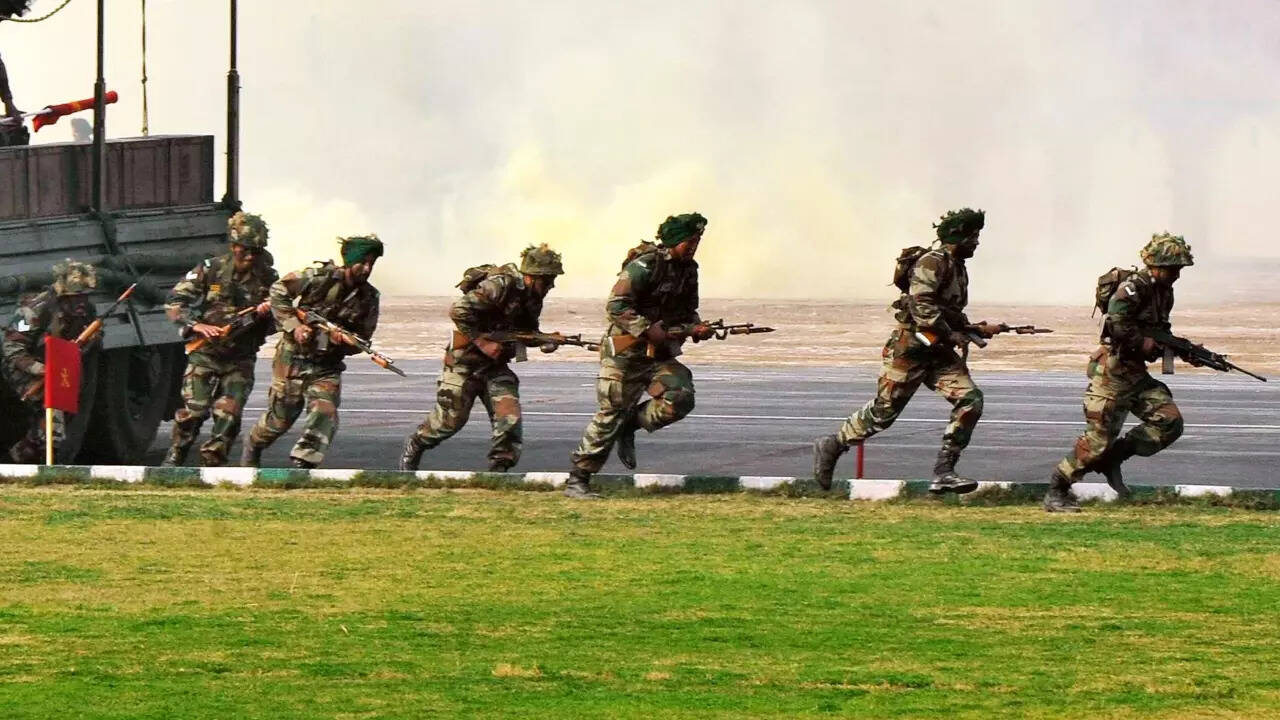
The Punjab Government has begun preparing rehabilitation measures for the first batch of Agniveers, whose four-year tenure is set to end later this year.
Officials are discussing job reservations and skill-based opportunities to help trained personnel transition into civilian roles.
The move comes as states explore ways to absorb Agniveers into public services and industry.
-
What happened: Punjab has initiated discussions on rehabilitation schemes and potential job quotas for Agniveers in state departments.
-
Why it matters now: The first batch recruited under the Agniveer scheme will complete service by the end of 2026, creating urgency for post-service employment pathways.
-
What changes for people: Agniveers may receive new opportunities in Punjab Police, civil defence, and other government roles.
-
Who is affected: Agniveers from Punjab, defence personnel, state departments, and local industries.
Senior officials said preliminary meetings at the secretary level have explored options such as reservations in Punjab Police and earmarked posts in departments like fire services, civil defence, mining, pollution control, and forests. Formal proposals are yet to be placed before the state’s top decision-making bodies.
Focus on employment pathways and skill transition
The state is also considering schemes to encourage entrepreneurship and industry employment for Agniveers. Authorities aim to align military training with civilian certification so that former personnel can transition smoothly into skilled roles.
At a recent Defence Skills Conclave in Chandigarh, Defence Secretary Rajesh Kumar Singh highlighted the potential for Punjab to utilise Agniveer talent within the defence manufacturing ecosystem, including roles as supervisors and equipment maintainers.
Officials said the training received under the scheme is linked to recognised skill frameworks, allowing certifications to be used in civilian careers.
Background: How the Agniveer scheme works
Launched in 2022, the Agniveer scheme recruits personnel across the Indian Army, Indian Air Force, and Indian Navy for a four-year tenure. Around 25 percent of recruits are retained in permanent service, while the remaining personnel are released with skill certifications and financial packages.
The Indian Air Force began training its first batch in December 2022, followed by the Army and Navy in early 2023.
Punjab, one of the largest contributors of manpower to the armed forces after Uttar Pradesh, is expected to see a significant number of Agniveers completing their term in the coming year.
Comparisons with other states and central initiatives
Officials noted that neighbouring Haryana and several Central ministries have already announced rehabilitation measures, including quotas in Central Armed Police Forces and skill development programmes.
Punjab currently offers a 13 percent reservation for ex-servicemen in certain departments, but that quota was designed for long-term soldiers completing extended service. Authorities are now evaluating whether similar or separate provisions should apply to Agniveers.
Why this policy discussion matters
-
Employment: Structured rehabilitation could ease the transition from military to civilian careers.
-
Governance: State-level policies may influence how other regions handle Agniveer reintegration.
-
Economy: Skilled veterans entering industries could strengthen manufacturing and security sectors.
Experts say timely planning is crucial, as thousands of trained personnel will soon re-enter the job market.