
Political Row Erupts In Tamil Nadu Over Alleged Remarks On North Indians By DMK Minister
A fresh controversy has broken out in Tamil Nadu after allegations surfaced that a DMK minister made controversial remarks about people from northern states.The BJP...
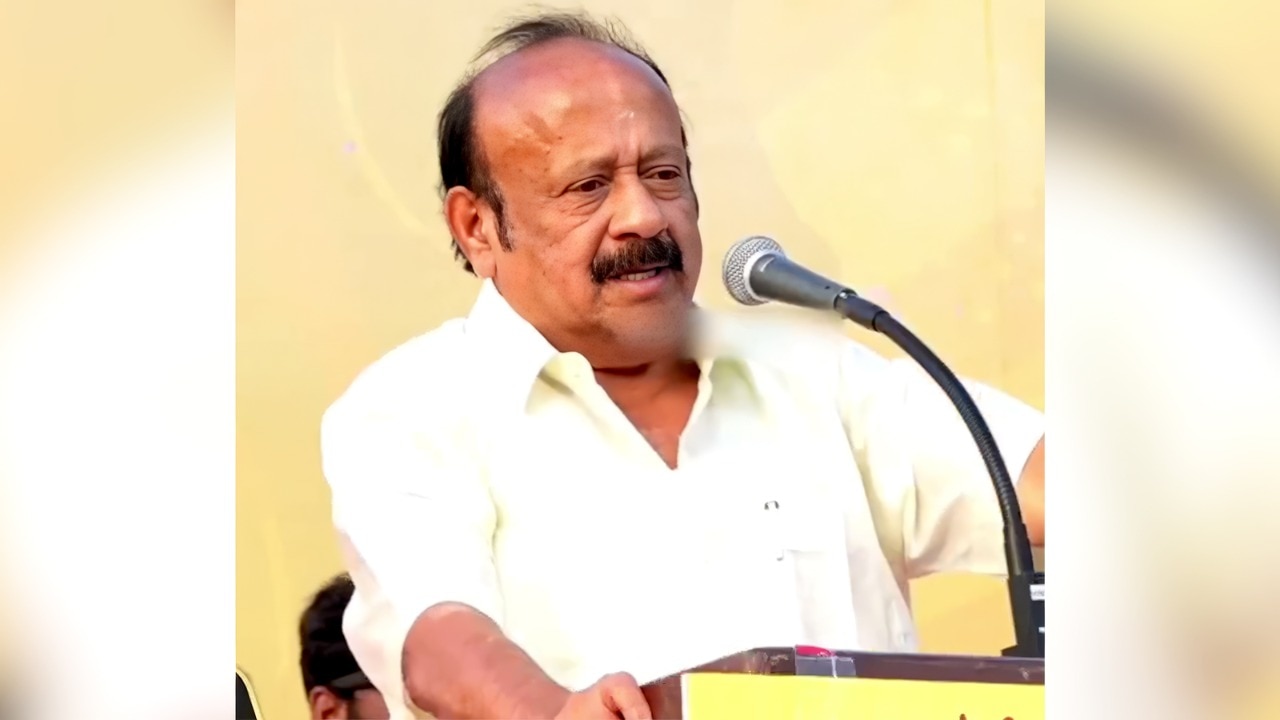
A fresh controversy has broken out in Tamil Nadu after allegations surfaced that a DMK minister made controversial remarks about people from northern states.
The BJP has accused the ruling party of promoting divisive rhetoric ahead of upcoming Assembly elections.
No official response had been issued by the minister or the DMK at the time of reporting.
-
What happened: BJP Tamil Nadu chief Nainar Nagenthran alleged that DMK minister MRK Panneerselvam made remarks stereotyping North Indians during a meeting in Maduranthakam, Chengalpattu district.
-
Why it matters now: The controversy comes months before the expected Tamil Nadu Assembly elections, intensifying political tensions.
-
What changes for people: The row could influence campaign narratives around regional identity, migration, and language politics.
-
Who is affected: Political parties, migrant workers, voters, and communities across Tamil Nadu and northern states.
A political dispute has intensified in Tamil Nadu after the state’s opposition accused a senior minister from the ruling Dravida Munnetra Kazhagam (DMK) of making remarks that allegedly portrayed North Indians in a stereotypical manner. The comments, reportedly made during a gathering in Maduranthakam, triggered strong reactions from the Bharatiya Janata Party (BJP).
BJP demands apology, accuses DMK of divisive politics
Nainar Nagenthran, the Tamil Nadu BJP president, said the minister’s alleged statements were “inciting hatred” and called for an immediate public apology. In a post on social media, he argued that such remarks contradict the state’s tradition of inclusivity and unity.
He also questioned whether the DMK’s alliance partners, including Congress and Left parties, supported what he described as divisive messaging.
Political observers say the controversy reflects rising tensions between regional and national narratives as election season approaches.
No response yet from DMK or minister
At the time of reporting, neither MRK Panneerselvam nor the DMK leadership had issued an official statement addressing the allegations. Without a response, the claims remain part of an ongoing political dispute between rival parties.
Analysts note that such controversies often escalate quickly during election cycles, especially when linked to regional identity and migration issues.
Past remarks add fuel to debate
The latest row follows earlier controversies involving statements by DMK leaders. In January, DMK MP Dayanidhi Maran faced criticism for comments linking language policies and employment trends. Last year, Industries Minister TRB Rajaa also sparked debate after remarks comparing social conditions in Tamil Nadu and parts of northern India.
Opposition leaders argue that repeated controversies indicate a pattern, while DMK supporters have previously defended such statements as political commentary taken out of context.
Election backdrop and wider political implications
Tamil Nadu, which has 234 Assembly seats, is expected to hold elections in April-May 2026. Analysts say identity politics and regional narratives could play a significant role in shaping campaign strategies.
-
Governance: Political rhetoric may influence legislative debates and coalition dynamics.
-
Social impact: Statements involving regional identities can affect community relations and migration discourse.
-
Electoral strategy: Parties may use controversies to mobilise supporters ahead of voting.
Experts caution that heated political exchanges often intensify as elections near, making balanced communication crucial for maintaining social harmony.