
PM Modi Says India’s Space Sector Entering “Unprecedented Era” as Private Industry Takes Center Stage
Prime Minister Narendra Modi on Thursday said India is standing at a transformative moment in its space journey, driven by rapid growth in private innovation...
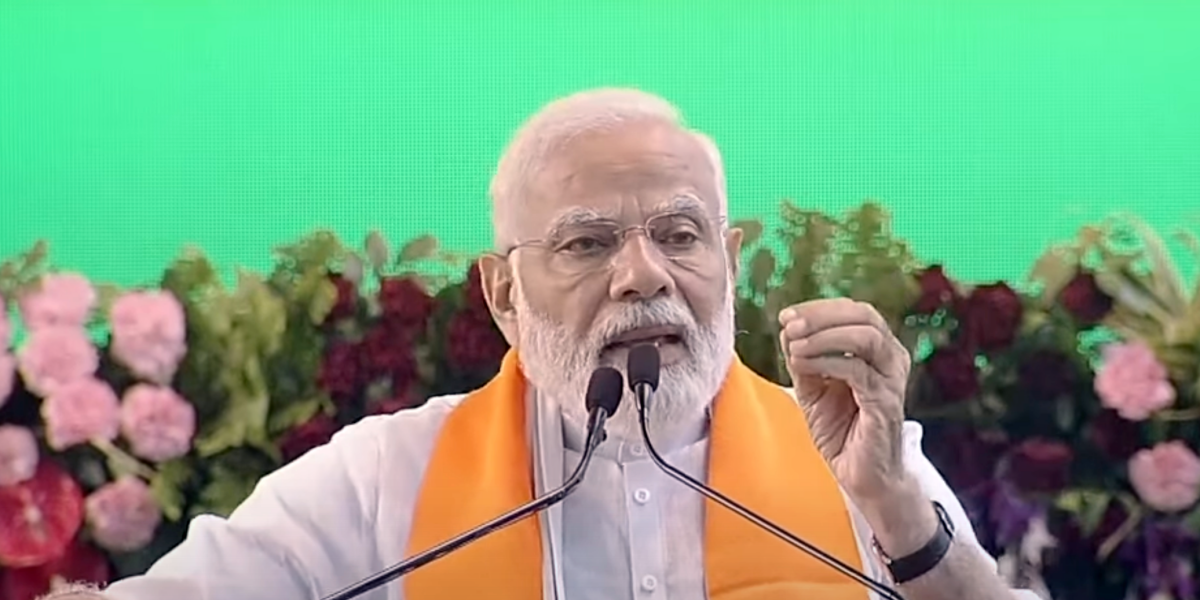
Prime Minister Narendra Modi on Thursday said India is standing at a transformative moment in its space journey, driven by rapid growth in private innovation and a shift toward a more open, collaborative ecosystem over the past several years.
Speaking via video link at the inauguration of Skyroot Aerospace’s new “Infinity Campus” in Hyderabad, the Prime Minister said global confidence in India’s space capabilities has never been higher. The event also featured the unveiling of Skyroot’s first orbital-class launch vehicle, Vikram-I, a rocket designed to deploy satellites into low-Earth orbit. Union Minister G. Kishan Reddy attended the ceremony.
India Emerges as a Cost-Efficient Global Space Partner
Modi said India’s record of reliable, affordable launches—bolstered by decades of experience under ISRO—has positioned the country as a preferred partner for satellite manufacturing, launch services, and technology collaboration.
“International companies want to build satellites in India, use Indian rockets, and partner with our engineers,” he said. “We must seize this opportunity.”
The Prime Minister noted that the global space economy is expected to grow exponentially in the coming years, opening vast opportunities for skilled young professionals, especially in engineering, design, materials science, and computing.
Private Sector Takes Flight: Over 300 Startups Fueling Innovation
Modi highlighted the growing wave of startups reshaping India’s space ecosystem, pointing out that more than 300 private space companies have emerged since the sector was opened to non-government players.
These firms, often led by Gen-Z engineers and first-time entrepreneurs, are developing new propulsion systems, composite materials, rocket engines, satellite buses, and mission-critical software.
India’s private space talent, he said, “is earning global recognition and attracting serious investment,” turning the country into one of the world’s most promising destinations for space-tech capital.
Skyroot Founders Hailed as Role Models
The Prime Minister praised Skyroot’s co-founders Pawan Kumar Chandana and Naga Bharath Daka, saying their willingness to take risks had created a ripple of inspiration for India’s budding space entrepreneurs.
Skyroot’s new Infinity Campus spans 200,000 sq ft, equipped for end-to-end rocket development—design, assembly, testing, and integration—with the capability to manufacture one orbital rocket per month. The startup previously made history in November 2022, becoming the first private Indian company to launch a rocket into space when it successfully flew the sub-orbital Vikram-S.
Government Reforms: From Space to Nuclear Innovation
The Prime Minister said the transformation in India’s space sector is part of a broader push to empower private research and high-tech entrepreneurship.
Key government steps include:
-
Opening space activities to private companies
-
Rolling out India’s new Space Policy
-
Setting up IN-SPACe, which provides startups access to ISRO’s infrastructure and expertise
-
Creating stronger linkages between academia, industry, and innovation hubs
Modi said similar reforms are now being prepared for the nuclear sector, with an emphasis on small modular reactors and advanced technologies. Expanded private participation, he added, will strengthen India’s long-term energy security and technological competitiveness.
India’s Startup Surge Continues
Calling India the third-largest startup ecosystem in the world, Modi said the country now hosts over 150,000 registered startups, supported by a combination of policy reforms, expanded funding channels, and growing domestic demand for high-tech solutions.
“The government stands firmly behind every young innovator, every engineer, every entrepreneur,” he said. “Their ideas are redefining how India builds its future.”