
Piyush Goyal Says Agriculture and Dairy ‘Fully Protected’ as India US Trade Deal Sparks Debate in Parliament
India’s commerce minister told Lok Sabha that the new India US trade agreement protects sensitive sectors while opening export opportunities.The government highlighted reduced US tariffs...
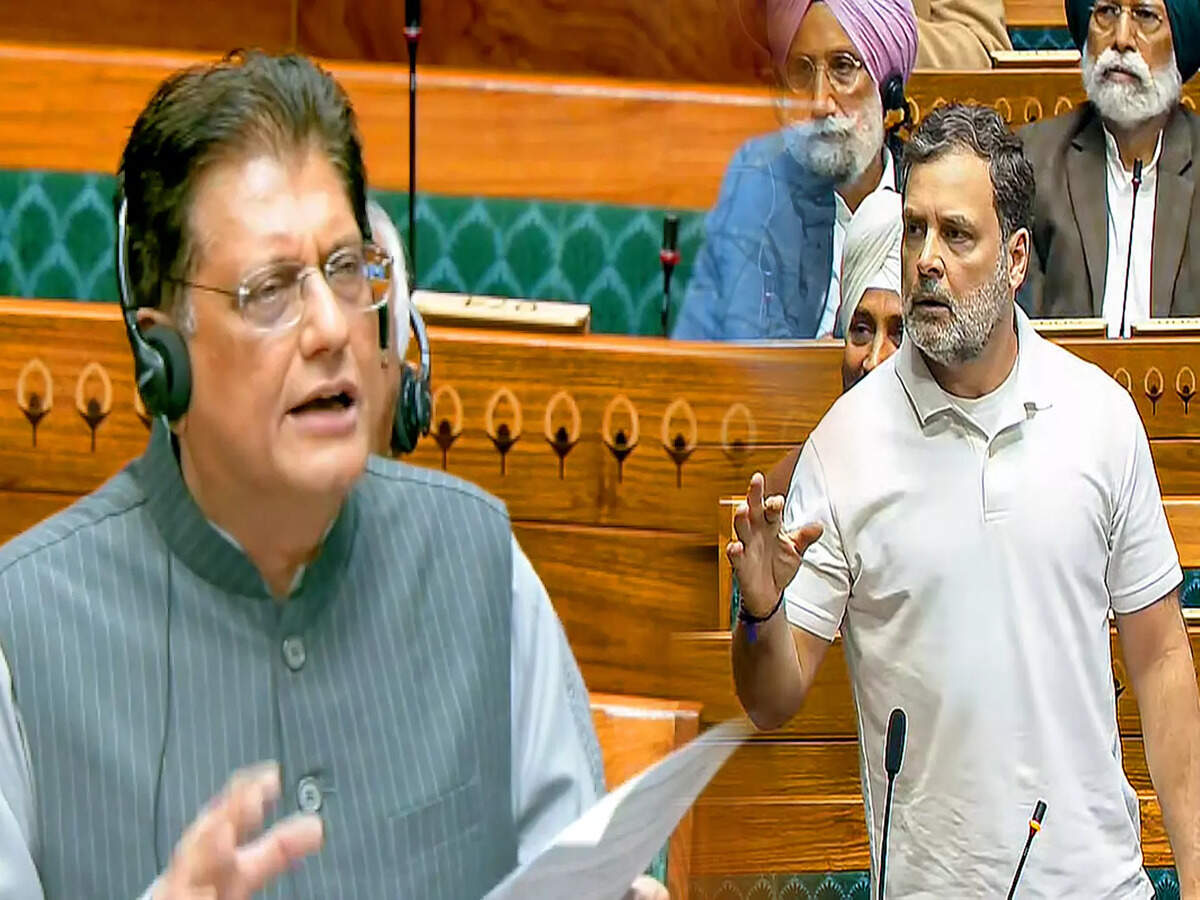
India’s commerce minister told Lok Sabha that the new India US trade agreement protects sensitive sectors while opening export opportunities.
The government highlighted reduced US tariffs and new market access for Indian businesses and professionals.
The deal comes after nearly one year of negotiations and follows a recent PM Modi and Donald Trump conversation on bilateral trade.
-
What happened: Union minister Piyush Goyal defended the India US bilateral trade agreement in Parliament, stressing protections for agriculture and dairy.
-
Why it matters now: The deal signals deeper economic ties between the world’s two major democracies amid shifting global trade dynamics.
-
What changes for people: Indian exporters, MSMEs, and skilled professionals could see easier access to the US market.
-
Who is affected: Farmers, dairy producers, exporters, small businesses, and trade-dependent industries across India.
India’s commerce and industry minister Piyush Goyal on Wednesday addressed concerns in Lok Sabha, stating that the government had successfully safeguarded sensitive sectors while negotiating a balanced agreement with the United States. The minister said talks intensified after Prime Minister Narendra Modi’s visit to the US in February 2025, eventually leading to a framework aimed at boosting trade without exposing vulnerable industries.
Government says sensitive sectors remain protected
Speaking in Parliament, Goyal emphasized that agriculture and dairy were key priorities during negotiations. According to his statement, Indian negotiators ensured that concessions did not compromise domestic producers.
<u>Officials highlighted that agriculture and dairy interests remain protected, despite broader market access commitments.</u>
He noted that both countries had their own sensitive areas and that successful trade agreements require mutual compromise without risking national priorities.
Year-long negotiations and policy goals
The minister described the talks as an intensive process spanning roughly one year, involving multiple rounds of high-level discussions. Several sectors of cooperation were finalized during this period, he said.
Goyal linked the agreement to flagship initiatives such as “Viksit Bharat,” “Atmanirbhar Bharat,” “Make in India,” and “Design in India.” He argued that improved trade ties could strengthen export competitiveness and encourage manufacturing growth.
Industry observers say these goals reflect India’s strategy to position itself as a reliable global production hub while maintaining domestic safeguards.
Tariff reduction and global competition
A major highlight of the announcement was the reduction of US tariffs on certain Indian products. Goyal told lawmakers that after a **telephone conversation on <u>February 2, 2026</u> between PM Modi and US President Donald Trump, the US announced a tariff adjustment.
<u>The tariff level was reduced to 18 percent, compared with the earlier 25 percent, which officials claim is lower than rates applied to some competing nations.</u>
The minister added that energy security remains a top government priority and that trade decisions are evaluated alongside broader strategic needs.
Economic impact: Opportunities and concerns
Government officials argue that the agreement could benefit:
-
MSMEs and exporters seeking access to the US market.
-
Skilled Indian professionals, who may find expanded opportunities abroad.
-
Manufacturing and technology sectors aiming to scale exports.
However, analysts note that trade deals often generate mixed reactions. While exporters may gain from lower tariffs, some domestic stakeholders remain cautious about long-term competition from foreign products.
Political messaging and international context
The announcement also reflects the broader geopolitical alignment between India and the United States. Statements from both leaders on social platforms emphasized economic cooperation between the two large democracies.