
Pakistan’s Mohsin Naqvi Breaks Silence After T20 World Cup Boycott U-Turn: “No Personal Interest”
Pakistan’s cricket leadership says the boycott threat was about “respect for Bangladesh,” not politics.Late-night negotiations between cricket boards and global officials ended the standoff.The sudden...
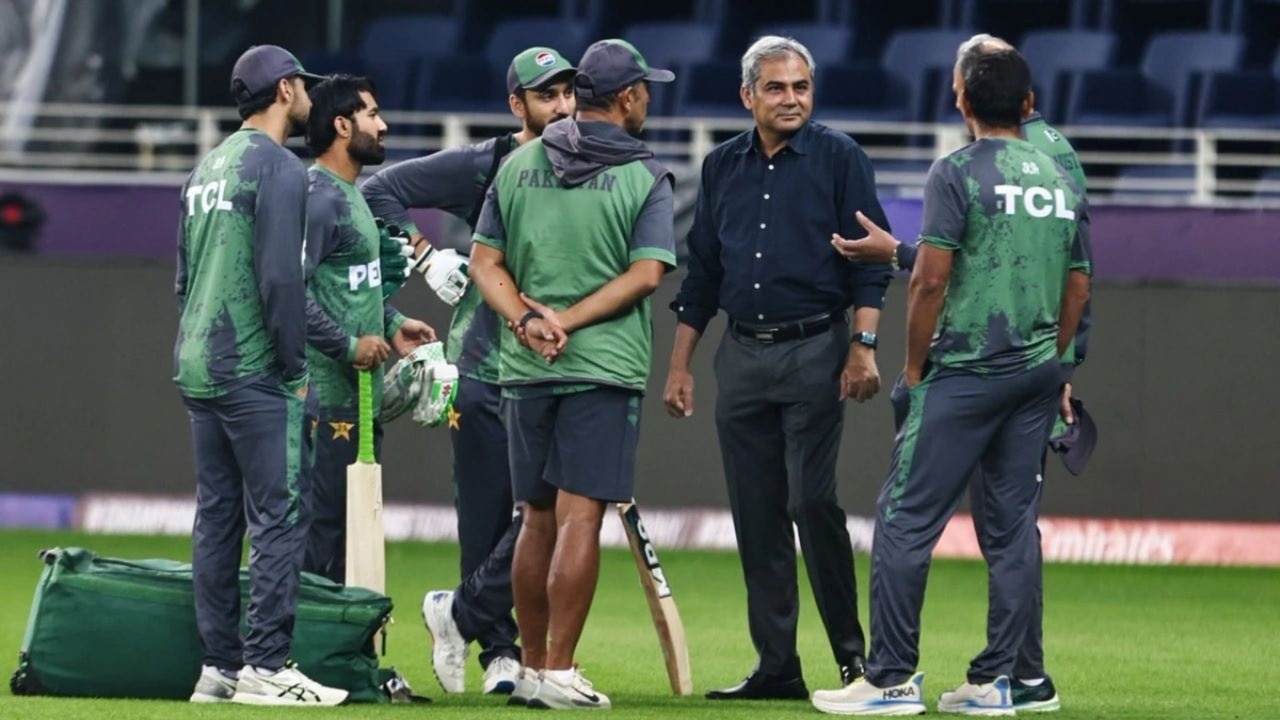
Pakistan’s cricket leadership says the boycott threat was about “respect for Bangladesh,” not politics.
Late-night negotiations between cricket boards and global officials ended the standoff.
The sudden reversal highlights rising tension between sports diplomacy and regional relations.
Top Summary
What happened:
Mohsin Naqvi addressed Pakistan’s decision to withdraw its boycott threat ahead of the T20 World Cup after talks involving the Pakistan Cricket Board, Bangladesh Cricket Board and International Cricket Council.
Why it matters now:
The reversal prevents a major disruption to an international tournament and signals how cricket diplomacy continues to influence regional politics.
What changes for people:
Fans and broadcasters can expect Pakistan’s participation to continue without uncertainty, easing concerns about schedule changes.
Who is affected:
International cricket boards, players, sponsors, and millions of viewers across South Asia.
Sudden U-Turn After High-Level Talks
Pakistan’s cricket authorities have officially withdrawn a planned boycott linked to tensions surrounding Bangladesh, ending days of speculation about the upcoming tournament.
Speaking publicly after the decision, Mohsin Naqvi said the move was never about personal gain or political pressure. According to him, the discussions focused solely on ensuring “respect for Bangladesh” during negotiations with global cricket officials.
The government lifted the boycott order late Monday night after talks between the Pakistan Cricket Board (PCB), the Bangladesh Cricket Board (BCB) and the International Cricket Council (ICC).
What Triggered the Boycott Threat
Although full details remain limited, the PCB indicated that its stance was intended to push for fair treatment and recognition of Bangladesh within tournament discussions.
Naqvi stressed that Pakistan’s representatives had “no personal interest” in the meeting, describing the negotiations as a principled stand rather than a power play.
The episode reflects how cricket — often called a “soft diplomacy” tool in South Asia — can quickly intersect with broader regional sensitivities.
Cricket, Politics and Regional Optics
Cricket tournaments involving South Asian teams frequently carry political undertones, with board decisions often shaped by diplomatic dynamics.
Analysts say the boycott warning may have been a strategic signal rather than a final decision. By raising the issue publicly, Pakistan drew attention to its concerns while still leaving room for compromise through ICC mediation.
The swift resolution suggests that global cricket authorities were eager to avoid a repeat of past tournament disruptions caused by geopolitical disputes.
Impact on Fans and the Tournament
For supporters, the withdrawal removes uncertainty over fixtures, broadcast plans and team participation.
Broadcasters and sponsors had been watching closely, as any boycott from a major cricketing nation could have affected tournament revenues and global viewership numbers.
With the dispute resolved, preparations for the T20 World Cup are expected to continue as scheduled.
Multiple Perspectives
Supporters of the PCB’s stance argue that raising issues of fairness publicly ensures smaller cricketing nations receive adequate recognition within international structures.
Critics, however, warn that frequent boycott threats risk politicizing the sport and placing players under unnecessary pressure.
ICC officials have not released detailed comments on the negotiations but are believed to have played a central role in facilitating dialogue between the boards.