
Pakistan to play T20 World Cup but boycott India match; ICC warns of serious consequences
What happened: Pakistan has said it will play the ICC Men’s T20 World Cup 2026 but boycott its league match against India scheduled in Colombo....
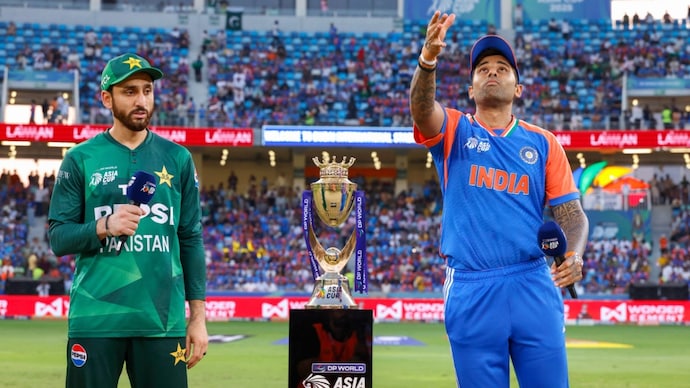
-
What happened: Pakistan has said it will play the ICC Men’s T20 World Cup 2026 but boycott its league match against India scheduled in Colombo.
-
Why it matters: The move challenges the integrity of a global tournament and puts Pakistan at risk of sanctions from the ICC.
-
What changes for people: The India–Pakistan match, a major revenue and viewership driver, may not happen—impacting fans, broadcasters, and sponsors.
-
Who is affected: Pakistan Cricket Board (PCB), ICC, broadcasters, sponsors, and cricket boards worldwide.
The world’s most-watched cricket rivalry may not take the field at the ICC Men’s T20 World Cup 2026. Pakistan has announced it will boycott its match against India, even while participating in the rest of the tournament—prompting a sharp warning from the International Cricket Council and raising the spectre of unprecedented consequences.
What happened
Pakistan’s government said on Sunday that it has approved the national team’s participation in the T20 World Cup—but explicitly barred it from playing India in the group-stage match scheduled for February 15 in Colombo.
The announcement was made via an official post on X. No formal reason was cited.
The decision follows earlier warnings from Mohsin Naqvi, who had hinted at drastic steps after changes to the tournament schedule earlier this year.
ICC’s response: ‘Difficult to reconcile’
The International Cricket Council responded swiftly and sternly.
In a statement, the ICC said selective participation is “difficult to reconcile with the fundamental premise of a global sporting event”, where all qualified teams are expected to compete under a common schedule.
The ICC added that it hopes the Pakistan Cricket Board (PCB) will consider the long-term implications for cricket in Pakistan, warning that the decision could harm the global cricket ecosystem.
Possible consequences on the table
Sources indicate the ICC is weighing multiple punitive options if Pakistan follows through:
-
Forfeiture of the match, resulting in:
-
Two points awarded to India
-
A hit to Pakistan’s net run rate
-
-
Financial penalties, including compensation to broadcasters
-
Cuts to PCB’s ICC revenue share
-
Possible restrictions on No Objection Certificates (NOCs) for players participating in the Pakistan Super League
-
In extreme scenarios, exclusion from current or future ICC tournaments
Officials say expulsion from the World Cup has not been ruled out.
The money factor: Why this match matters
India–Pakistan matches are the single biggest commercial asset in ICC tournaments.
-
The fixture accounts for a significant chunk of broadcast revenue
-
PCB receives the fourth-highest share of ICC revenue globally, largely due to India–Pakistan viewership
-
PCB currently earns about $34.5 million annually from the ICC
If compensation is deducted from this share, sources say PCB could lose 70–80% of its ICC income.
Group dynamics and tournament impact
India and Pakistan are placed in Group A, alongside:
-
USA
-
Namibia
-
Netherlands
Two teams will advance to the Super 8 stage.
Over the past decade, ICC tournaments have been structured to ensure at least one India–Pakistan encounter, given its unparalleled global audience. A boycott would disrupt not just the group but the tournament’s commercial and competitive balance.
Wider fallout feared
The ripple effects could extend beyond the World Cup:
-
Broadcasters and sponsors face massive losses
-
Other major boards—such as England and Australia—may rethink bilateral cricket with Pakistan
-
The ICC’s authority in enforcing tournament norms could be tested
Former Pakistan captain Rashid Latif has publicly warned that the move could isolate Pakistan cricket further.