
Pakistan Strikes 29 Fighters Near Afghan Border Post Karachi Attack
Pakistan security forces killed 29 fighters near the Afghan border following deadly attacks, including one in Karachi.
Top Summary
- What happened: Pakistan's security forces conducted ground and air operations, killing 29 fighters near the Afghan border.
- Why it matters: This escalation follows a deadly attack in Karachi and strains already tense Pakistan-Afghanistan relations.
- What changes: Increased military action along the border heightens regional instability and impacts cross-border dialogue.
- Who is affected: Security forces, militant groups, and civilians in border regions of both Pakistan and Afghanistan are affected.
Border Offensive Launched After Deadly Karachi Attack
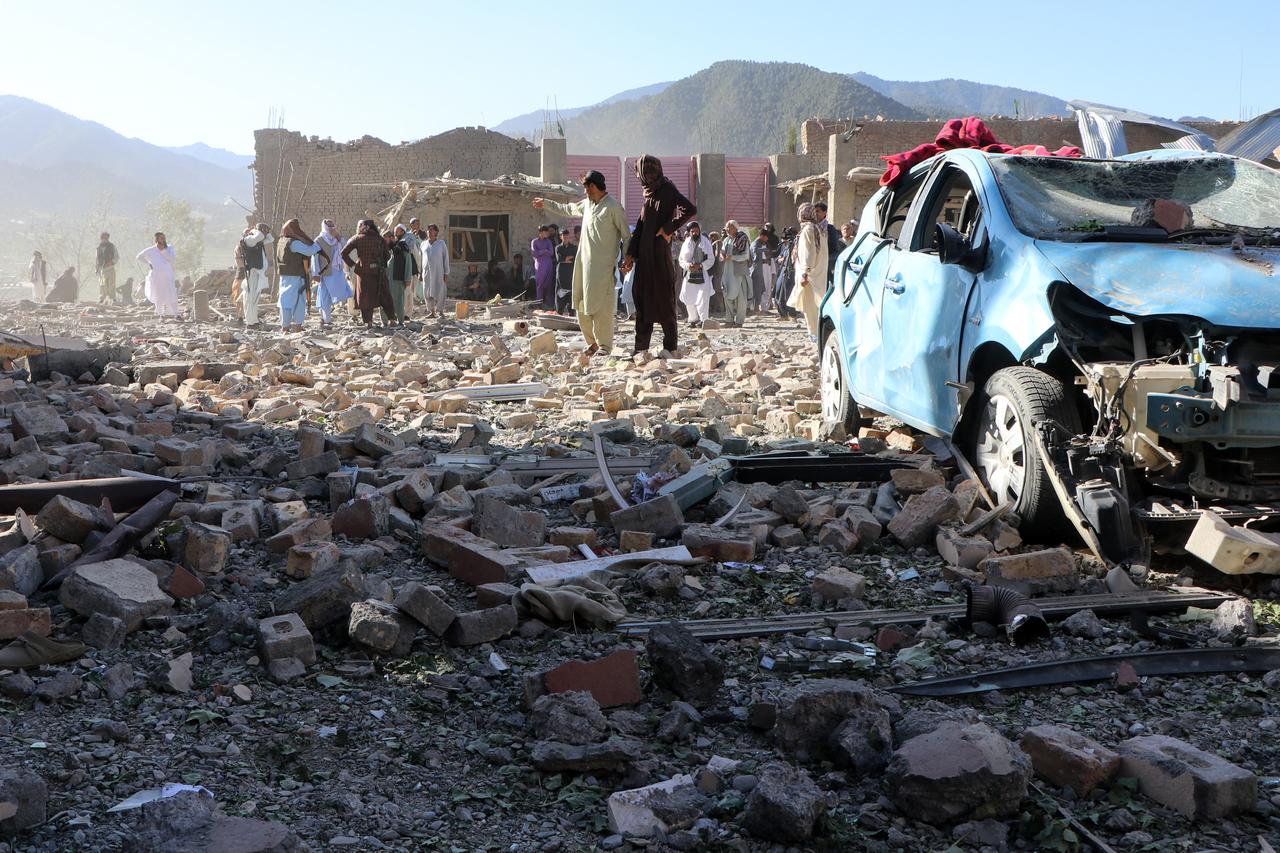
Pakistan's security forces have launched a significant operation along the Pakistan-Afghanistan border, resulting in the deaths of 29 fighters. This action follows a series of deadly assaults targeting Pakistani security personnel.
The offensive, comprising ground maneuvers and air strikes, specifically targeted militant hideouts in Paktia, Paktika, and Kunar provinces of Afghanistan, according to information minister Attaullah Tarar. The strikes were described as precise responses to multiple attacks across the country.
Karachi Attack Claims Lives, Suspect Identified
The border operation comes just a day after armed assailants, employing guns and explosives, attacked the regional headquarters of the paramilitary Rangers in Karachi. This attack resulted in the deaths of three soldiers.
Security forces swiftly responded, neutralizing three attackers and apprehending a fourth assailant. The arrested individual was identified by the military as an Afghan national who was wounded.
Pakistan Taliban Linked to Violence, Jamaat-ul-Ahrar Claims Karachi Attack
While authorities in Pakistan attribute the majority of recent violence to the Pakistan Taliban (TTP) and its affiliates, a breakaway faction, Jamaat-ul-Ahrar, claimed responsibility for the Karachi assault. This group is an ally of the Afghan Taliban, which regained control in Afghanistan in 2021.
The Pakistan Taliban operates as a distinct entity from the Afghan Taliban. Minister Tarar stated that the recent border operation specifically targeted the known hideouts and safe havens of the Pakistan Taliban.
Rising Tensions and Escalating Cross-Border Military Actions
These latest operations are poised to further deteriorate the already strained relationship between Islamabad and Kabul. This is not the first instance of cross-border military action; Pakistan conducted air strikes inside Afghanistan less than three weeks prior.
The situation follows a period of relative calm after what Pakistan had termed an "open war" between the two nations. Despite international efforts to foster peace, hundreds have been killed in cross-border engagements since February 2026.
Earlier retaliatory strikes by Afghanistan followed Pakistan's air strikes on Afghan territory. Numerous internationally mediated peace talks have failed to secure a lasting ceasefire. China had hosted both countries in April, aiming to de-escalate conflict.
Accusations and Denials Over Militant Sanctuary
Pakistan frequently accuses Afghanistan's Taliban government of providing sanctuary to militants who launch attacks within Pakistan, particularly members of the Pakistan Taliban. Kabul, however, consistently denies these accusations.
Since 2025, Pakistan has conducted multiple strikes along and within Afghanistan, targeting alleged strongholds of the Pakistan Taliban and other militant groups operating in the region.
What to Watch Next
Further retaliatory actions and diplomatic exchanges are anticipated between Pakistan and Afghanistan. The international community will likely increase efforts to mediate a de-escalation and establish a lasting peace along the volatile border. Attention will also be on the impact of these clashes on regional security and humanitarian concerns.