
Pakistan Court Sentences Imran Khan and Wife to 17 Years Each in Toshakhana 2 Case
A Pakistani accountability court on Saturday sentenced former Prime Minister Imran Khan and his wife Bushra Bibi to 17 years’ imprisonment each in the Toshakhana...
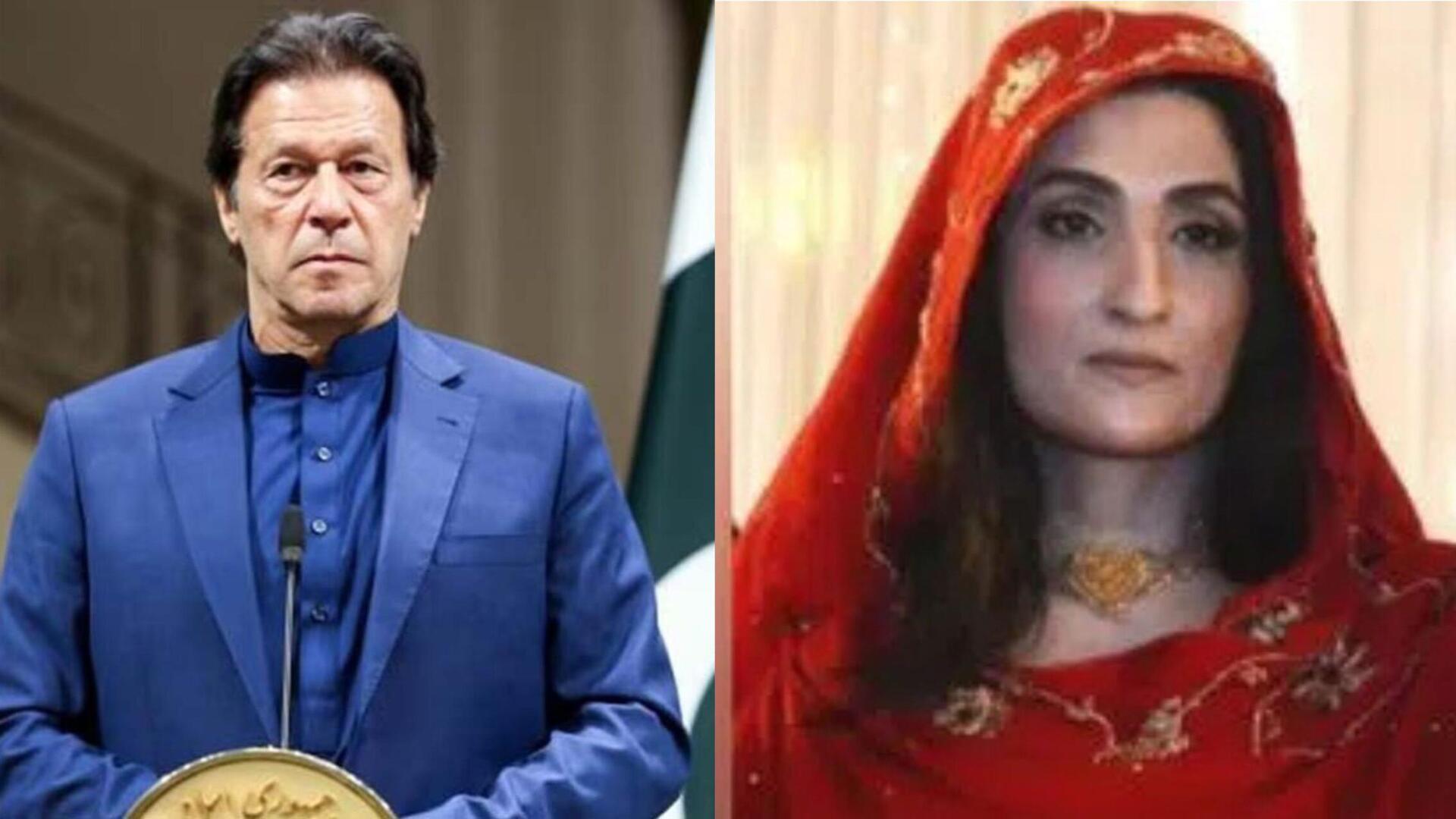
A Pakistani accountability court on Saturday sentenced former Prime Minister Imran Khan and his wife Bushra Bibi to 17 years’ imprisonment each in the Toshakhana 2 corruption case, deepening the legal challenges facing the jailed opposition leader.
The verdict relates to allegations of fraud and misuse of state gifts received from the Saudi government in 2021, which prosecutors say were improperly retained and sold instead of being deposited in the official state repository.
Verdict Delivered Inside High-Security Jail
The judgment was pronounced by Special Judge Shahrukh Arjumand inside Adiala Jail, Rawalpindi, where Khan has been incarcerated since August 2023 in multiple cases. Both Khan and Bushra Bibi were present when the ruling was read out.
Under the sentence, the court awarded:
-
10 years of rigorous imprisonment under Section 409 of the Pakistan Penal Code (criminal breach of trust), and
-
7 additional years under provisions of the Prevention of Corruption Act.
Each was also fined Rs 10 million.
The court noted that it had taken a “lenient view” considering Khan’s age and Bushra Bibi’s gender, while granting them the benefit of Section 382-B of the Criminal Procedure Code, which allows time already spent in detention to be counted toward the sentence.
Case Background: State Gifts and Alleged Undervaluation
The Toshakhana 2 case was filed in July 2024, alleging that the former first couple failed to deposit valuable gifts—such as luxury watches and diamond and gold jewellery—into the Toshakhana, the government’s official gift repository.
According to the prosecution, these items were sold without following mandatory procedures. Minister of State for Finance Bilal Azhar Kayani, speaking to Geo News, said the gifts were legally required to be deposited and later purchased through a formal process.
He cited evidence presented during the trial suggesting that a jewellery set allegedly worth Rs 70 million was valued at around Rs 5.8–5.9 million, calling the transaction “unfortunate” and alleging it was an attempt to acquire the gifts at a fraction of their actual value.
Defence Denies Charges, Calls Case Political
Imran Khan and Bushra Bibi have consistently denied wrongdoing. In his statement recorded under Section 342 of the CrPC, Khan described the case as “malicious, fabricated and politically engineered.”
A total of 21 witnesses testified during the trial. Both accused were previously granted bail by the Islamabad High Court—Bushra Bibi in October 2024 and Khan a month later—and were formally indicted in December. Despite the bail, proceedings continued within Adiala Jail as both were already serving sentences in the Al-Qadir Trust case.
Appeals and Detention Concerns
Both convicts have the right to challenge the verdict in the High Court, a move their legal team is expected to pursue.
Meanwhile, concerns continue over Khan’s detention conditions. An unannounced restriction on meetings with him has reportedly been in place for over a month, with his last family visit occurring on December 2, when his sister Uzma Khan met him. Jail authorities maintain that Khan is in “good health.”
However, last week, UN Special Rapporteur on torture Alice Jill Edwards urged Pakistan to take urgent steps to address reports of inhumane detention conditions, calling for an immediate end to Khan’s solitary confinement. She warned that prolonged isolation could seriously harm his physical and mental well-being.
Reports suggest Khan has limited access to outdoor activity, restricted interaction with other inmates, and disrupted visits from lawyers and family members, despite court permissions.
Why It Matters
The conviction adds another layer to Pakistan’s deep political polarisation, with Khan’s supporters viewing the cases as part of a broader campaign to sideline him from politics. Legally, the ruling reinforces the scrutiny around the Toshakhana system, which has long been controversial in Pakistan. Politically, it keeps one of the country’s most influential opposition figures behind bars, with potential implications for stability, governance and future elections.
Khan served as Pakistan’s 19th prime minister from August 2018 to April 2022, before being ousted through a no-confidence vote.