
Pakistan and Afghanistan Agree to Immediate Ceasefire Amid Deadly Border Conflict
Pakistan and Afghanistan have reached an immediate ceasefire agreement, Qatar’s Foreign Ministry announced on Sunday (October 19, 2025), ending over a week of intense fighting...
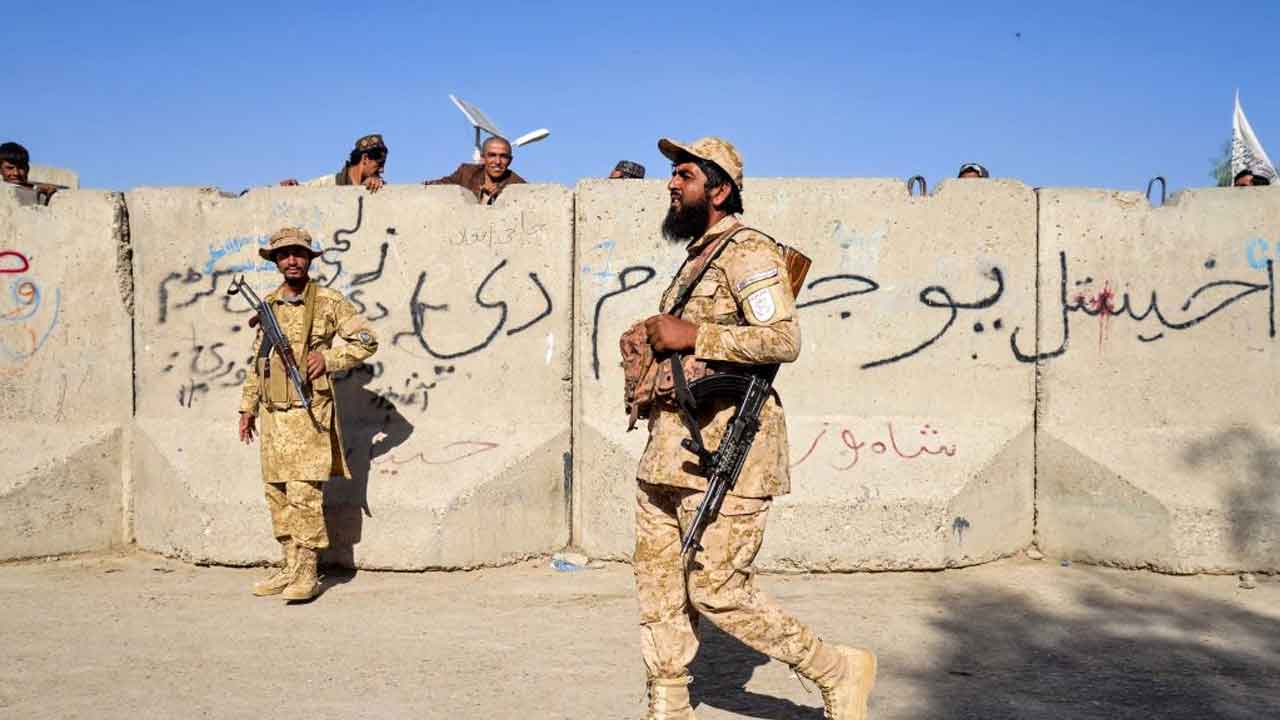
Pakistan and Afghanistan have reached an immediate ceasefire agreement, Qatar’s Foreign Ministry announced on Sunday (October 19, 2025), ending over a week of intense fighting that claimed dozens of lives and injured hundreds along the shared border.
The agreement also includes plans to establish mechanisms for lasting peace and to hold follow-up talks in the coming days to ensure the ceasefire’s sustainability, according to the Qatari statement.
Deadly Border Clashes Prompt Mediation
Delegations from both countries convened in Doha for emergency talks, facilitated by Qatar and Turkey, to resolve the deadliest crisis in recent years along the Afghanistan-Pakistan border.
Both governments had sent their Defence Ministers to lead the discussions. Pakistan said the talks would focus on “immediate measures to end cross-border terrorism emanating from Afghanistan and restore peace and stability along the border.” Afghan officials, however, have repeatedly denied harboring militants responsible for attacks in the border areas.
Regional powers, including Saudi Arabia and Qatar, urged calm as escalating violence threatened to further destabilize a region already vulnerable to extremist groups like Islamic State (IS) and al-Qaida.
Recent Strikes and Civilian Casualties
A 48-hour ceasefire that began earlier this week expired on Friday evening, after which Pakistan reportedly conducted air strikes in Afghanistan’s Paktika province. Pakistani security officials told The Associated Press that the raids targeted hideouts of the Hafiz Gul Bahadur militant group in response to a suicide bombing at a security forces compound in Mir Ali, Pakistan’s Khyber Pakhtunkhwa province. Officials claimed dozens of armed fighters were killed, with no civilian casualties.
Afghan authorities, however, reported at least 10 civilian deaths, including women, children, and local cricketers. The attacks sparked protests and led the national cricket board to boycott an upcoming series in Pakistan. Thousands attended funeral prayers in Paktika on Saturday, condemning the raids.
Zabihullah Mujahid, spokesperson for Afghanistan’s Taliban government, denounced the “repeated crimes of Pakistani forces and the violation of Afghanistan’s sovereignty,” calling the strikes provocative and deliberate attempts to prolong the conflict.
Longstanding Border Tensions
The two nations share a 2,611-kilometre border, known as the Durand Line, which Afghanistan has never formally recognized. Pakistan faces rising militancy, particularly in areas bordering Afghanistan, and has previously accused India of backing armed groups across the border—claims India denies.
Pakistan’s Army Chief, General Asim Munir, called on Afghan authorities to prioritize mutual security over perpetual violence, urging the Taliban to restrain proxy groups using Afghan territory as sanctuary.
“The Taliban must rein in the proxies who have sanctuaries in Afghanistan,” Munir said during a speech at the Pakistan Military Academy in Kakul, Khyber Pakhtunkhwa.
Implications
The ceasefire marks a critical step toward de-escalating tensions between the two nuclear-armed neighbors, whose border disputes have repeatedly sparked cross-border attacks. Analysts note that the success of this ceasefire will depend on enforcement on the ground, accountability for militant groups, and continued international mediation.