
One woman dies every two minutes from cervical cancer, UN warns as preventable disease keeps claiming lives
A woman dies from cervical cancer every two minutes, the United Nations has warned, calling the toll a stark reminder that one of the world’s...
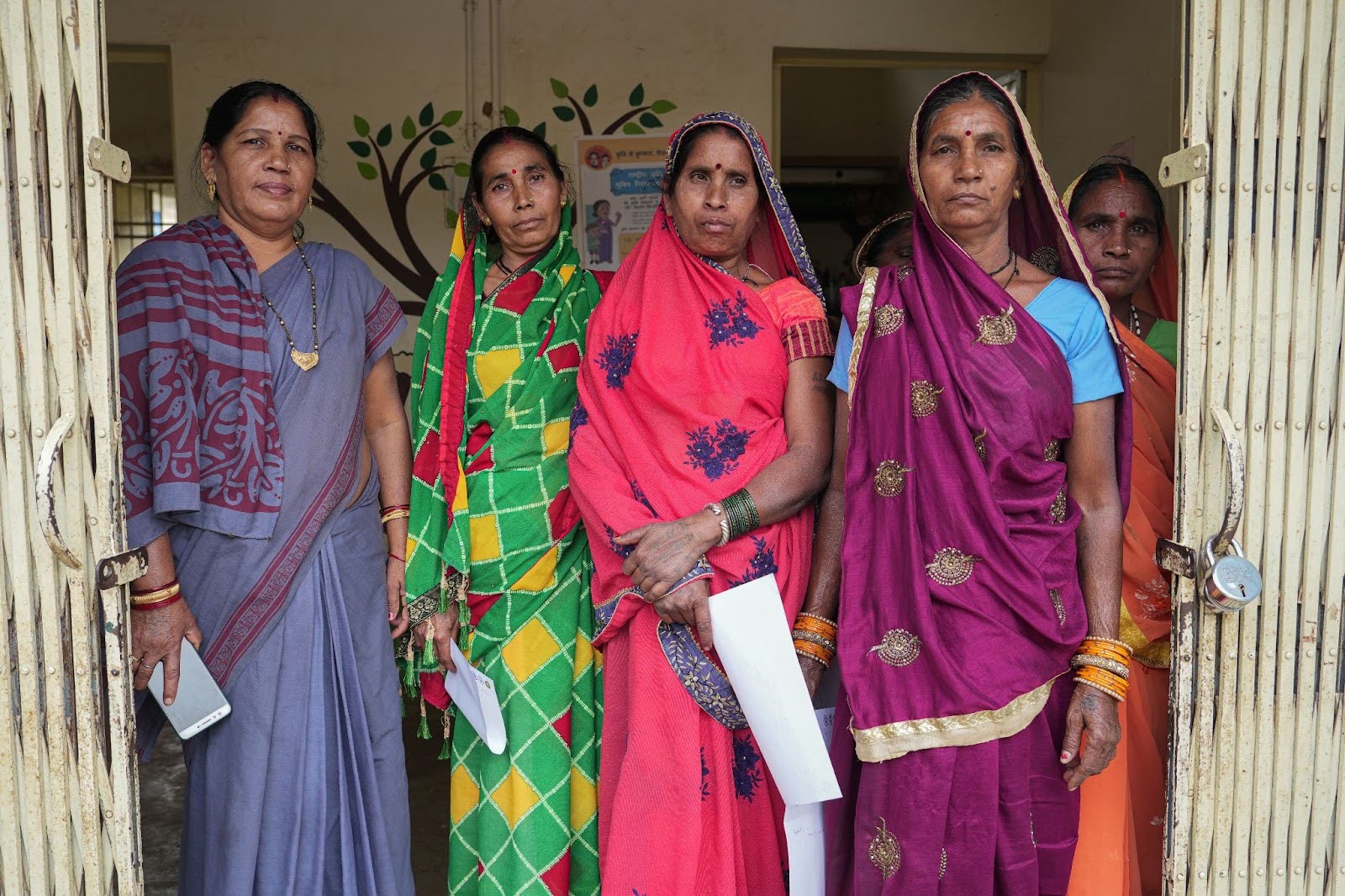
A woman dies from cervical cancer every two minutes, the United Nations has warned, calling the toll a stark reminder that one of the world’s most preventable cancers continues to kill due to gaps in access to basic healthcare.
Despite being largely preventable and curable, cervical cancer remains the fourth most common cancer in women globally, with deaths concentrated in regions where screening and vaccination are limited.
A preventable disease still turning fatal
In 2022, an estimated 660,000 women were diagnosed with cervical cancer worldwide, and about 350,000 women died, according to the World Health Organization (WHO).
UNICEF has highlighted the scale of the crisis, warning that the disease is claiming one life every two minutes, often among women in the most productive years of their lives.
WHO has repeatedly underlined that no woman should die from cervical cancer, given existing medical tools to stop it.
What is cervical cancer
Cervical cancer develops in the cervix, the lower part of the uterus, and can spread to other parts of the body if not detected early.
Almost all cases are linked to infection with human papillomavirus (HPV), a very common virus transmitted through sexual contact.
Most people will be exposed to HPV at some point, but in a small number of cases, persistent infection with high-risk HPV types can cause abnormal cell changes that may progress into cancer.
Why early detection saves lives
Health experts stress that cervical cancer is one of the most treatable cancers when caught early.
According to WHO guidelines:
• HPV vaccination is recommended for girls aged 9 to 14, before sexual activity begins
• Cervical screening should start at age 30, or 25 for women living with HIV
Early diagnosis and timely treatment dramatically reduce the risk of death.
Inequality driving global deaths
The UN says the burden of cervical cancer falls disproportionately on women in:
• Sub-Saharan Africa
• Central America
• Southeast Asia
In these regions, limited access to vaccines, screening tests, and cancer treatment leads to late diagnosis and high mortality.
This is not a medical failure, but a systems failure, global health officials have noted.
Global effort to eliminate cervical cancer
In 2020, 194 countries adopted a global strategy to eliminate cervical cancer as a public health problem. The launch date, November 17, is now marked as World Cervical Cancer Elimination Day.
The strategy sets three critical targets to be achieved by 2030:
• 90 percent of girls fully vaccinated against HPV by age 15
• 70 percent of women screened by age 35 and again at 45
• 70 percent of women diagnosed to receive proper treatment
Meeting these targets could prevent an estimated 74 million new cases and 62 million deaths by the year 2120.