
North Korea Fires Multiple Ballistic Missiles, Tensions Rise in Region
North Korea launched multiple ballistic missiles into the sea, prompting international concern.
Top Summary
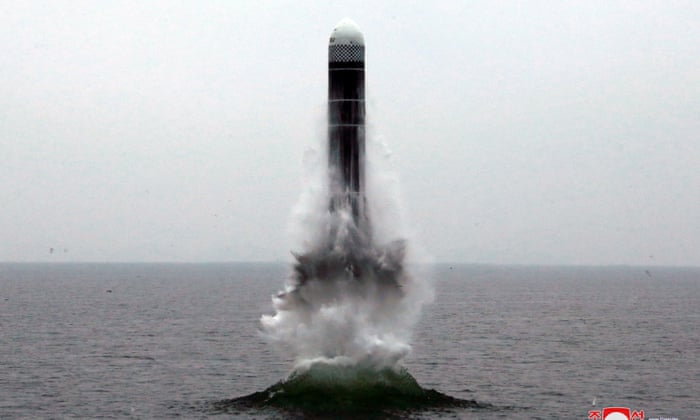
- What happened: North Korea fired multiple ballistic missiles into the sea from the Sinpo area on its east coast.
- Why it matters: The launches violate UN Security Council resolutions and threaten regional and international peace, escalating tensions.
- What changes for people: Increased surveillance and potential for heightened military activity in the region.
- Who is affected: South Korea, Japan, the United States, and the broader international community.
North Korea Launches Ballistic Missiles
North Korea fired multiple ballistic missiles into the sea on Sunday, marking another round of weapons testing this year. The South Korean Joint Chiefs of Staff confirmed the launches.
The missiles were launched from the Sinpo area on North Korea’s east coast. Seoul has increased surveillance and is coordinating with the US and Japan.
International Response and Condemnation
Japan's Defence Ministry detected the launches, stating the missiles likely landed off North Korea’s eastern coast. They lodged a protest with Pyongyang.
Japan considers the launches a threat to regional and international peace, violating UN Security Council resolutions. The US Indo-Pacific Command stated the launches pose no immediate threat to the US or its allies.
"The Democratic People's Republic of Korea launched multiple ballistic missiles on April 19, 2026. We are aware of the missile launches and are consulting closely with our allies and partners. Based on current assessments, this event does not pose an immediate threat to U.S. personnel or territory, or to our allies. The United States remains committed to the defense of the U.S. homeland and our allies in the region,"
Escalating Nuclear Ambitions
Last week, Kim Jong Un oversaw missile tests from a destroyer. He declared the country would pursue the “limitless expansion” of its nuclear forces.
Kim also outlined new tasks to strengthen nuclear strike and rapid-response capabilities. The International Atomic Energy Agency (IAEA) reports a “rapid increase” in activity at North Korea’s nuclear sites, according to chief Rafael Grossi.
South Korea's Response
South Korea’s National Security Council convened an emergency meeting to assess the situation. They are closely monitoring the situation and coordinating with allies.
South Korea, along with the US and Japan, is maintaining a high level of vigilance. This collaborative effort aims to deter further provocations and ensure regional security.
What to Watch Next
The international community will likely increase diplomatic pressure and consider further sanctions against North Korea. Further missile launches and nuclear activity from North Korea should also be expected as tensions continue to rise.