
Nipah Virus Outbreak in India Triggers Concern in China Ahead of Lunar New Year Travel
An outbreak of the highly lethal Nipah virus in India’s eastern state of West Bengal has sparked widespread concern in China just days before the...
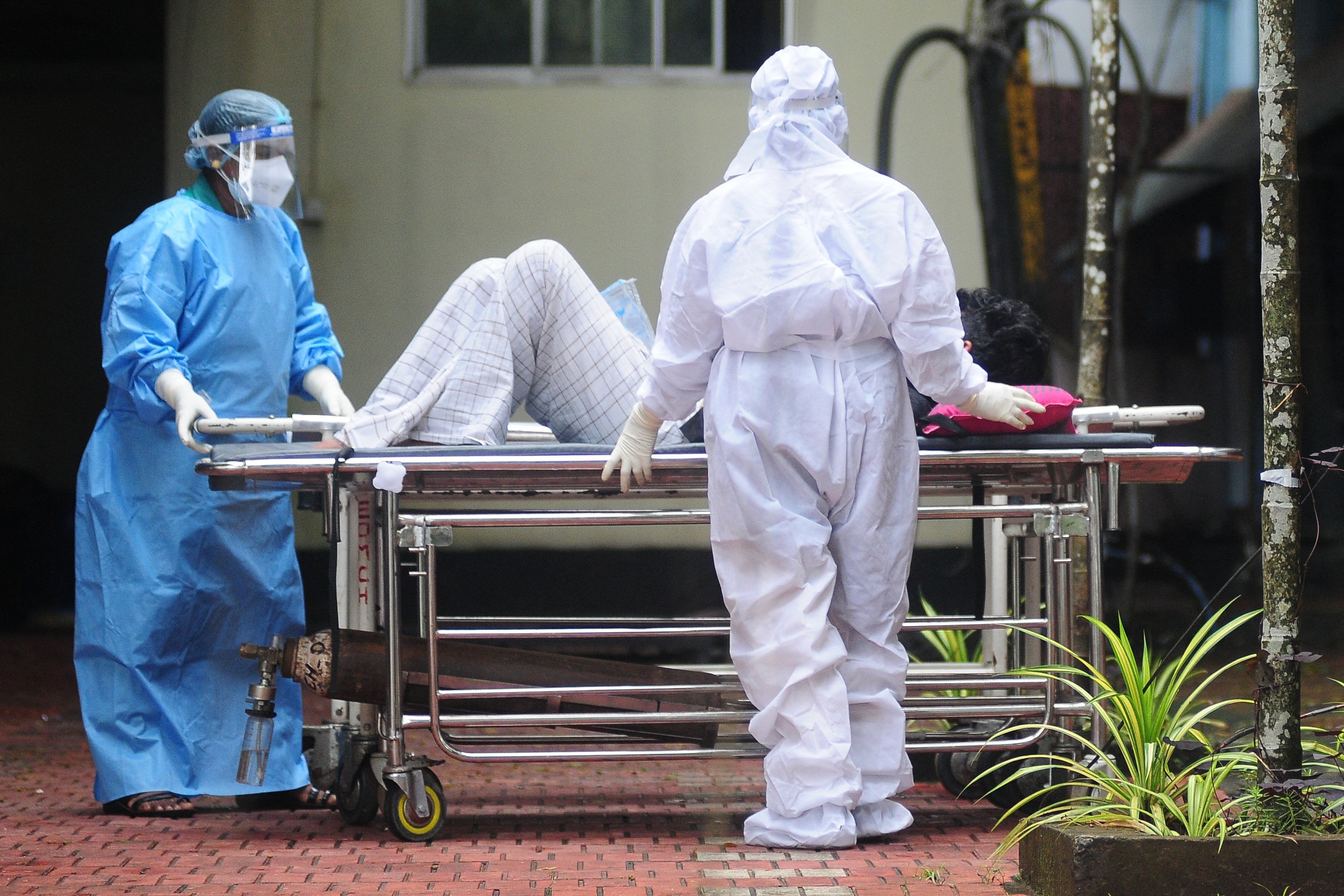
An outbreak of the highly lethal Nipah virus in India’s eastern state of West Bengal has sparked widespread concern in China just days before the Lunar New Year, a period marked by massive domestic and international travel.
Although Chinese health experts say the risk of a large-scale outbreak remains low, public anxiety has grown due to the virus’s high fatality rate and the absence of any approved treatment or vaccine.
What happened in India
At least five Nipah virus infections have been reported in West Bengal, with one patient in critical condition. Indian media traced the outbreak to mid-January, when two healthcare workers at the All India Institute of Medical Sciences (AIIMS) in Nadia district reportedly tested positive.
Nipah virus is known for its high mortality rate—estimated to be as high as 75% in some outbreaks—and for causing severe complications such as encephalitis, or inflammation of the brain.
Why China is on alert
The outbreak has drawn intense attention on Chinese social media platforms, with Nipah-related keywords trending on Monday. Online users expressed fears of travel restrictions or renewed lockdowns, recalling the disruption caused by the Covid-19 pandemic.
The timing is particularly sensitive as China prepares for chunyun, the 40-day Lunar New Year travel rush running from February 2 to March 13, when hundreds of millions of journeys take place across the country and abroad.
Adding to concerns is the recent easing of visa rules between China and India, aimed at boosting bilateral travel.
What experts are saying
Chinese virologists and public health experts have sought to reassure the public. Zhao Haiyan, a virologist at Wuhan University, said that while the risk is not zero, Nipah virus has relatively limited transmission pathways.
Unlike influenza or Covid-19, Nipah does not spread easily through the air. Human infections are mainly linked to direct contact with infected animals—particularly fruit bats or pigs—or consumption of food contaminated with animal saliva or urine.
Human-to-human transmission is possible but generally inefficient and requires close contact with bodily fluids under poor infection-control conditions.
Importantly, China has not recorded any imported Nipah cases since the virus was first identified in 1998, despite sporadic outbreaks in neighbouring countries.
Why China’s risk is considered lower
Experts point to several factors that reduce China’s risk:
-
Most bat species in China are different from Pteropus fruit bats, the primary natural reservoir of Nipah.
-
High-risk practices seen in South Asia, such as consuming raw date palm sap contaminated by bats, are uncommon in China.
-
Stronger public health infrastructure and surveillance systems are in place.
A virologist from Tsinghua University noted that China’s sanitation standards, dietary habits and disease-monitoring systems put it in a stronger position to contain imported cases, if any.
Government preparedness and regional response
China’s Centre for Disease Control and Prevention last week called for “heightened vigilance” against imported infectious diseases during the holiday season, though Nipah was not explicitly listed.
Notably, China’s Frontier Health and Quarantine Law, which came into force last year, does classify Nipah as a targeted pathogen for cross-border disease prevention.
Meanwhile, countries near India have stepped up precautions. Thailand has begun enhanced screening at major airports for passengers arriving from affected regions. Thai Prime Minister Anutin Charnvirakul said the country has adjusted its screening systems based on lessons learned during Covid-19.
Research and long-term outlook
Several Chinese research teams have been studying Nipah virus since 2022 as part of broader efforts to strengthen preparedness against emerging zoonotic diseases. According to experts, progress has been made in surveillance tools, risk assessment models and early warning systems, though vaccine and antibody development remains ongoing.
The World Health Organization has confirmed that human Nipah outbreaks so far have been limited to South and Southeast Asia, including India, Bangladesh, Malaysia, the Philippines and Singapore.