
Nipah virus cases rise to five in West Bengal; nearly 100 under quarantine
What happened:West Bengal has reported five confirmed cases of Nipah virus (NiV), with three new infections detected among healthcare workers at a private hospital near...
What happened:
West Bengal has reported five confirmed cases of Nipah virus (NiV), with three new infections detected among healthcare workers at a private hospital near Kolkata.
Why it matters now:
Nipah virus is a highly fatal zoonotic disease with no specific treatment or vaccine. The detection of multiple cases within a healthcare setting has raised concerns about human-to-human transmission and hospital safety protocols.
What we know so far:
The three latest infections include a doctor, a nurse and a health worker, all linked to the same private hospital in Barasat where two nurses had earlier tested positive. The new patients have been shifted to the Infectious Diseases Hospital in Beleghata, eastern Kolkata.
According to the West Bengal health department, nearly 100 people who came into close contact with the infected individuals have been identified, quarantined and placed under medical observation.
Officials said the condition of the male nurse from the initial cases is improving, while the female nurse remains in critical condition and is being treated in the Intensive Coronary Care Unit (ICCU).
How Nipah virus spreads:
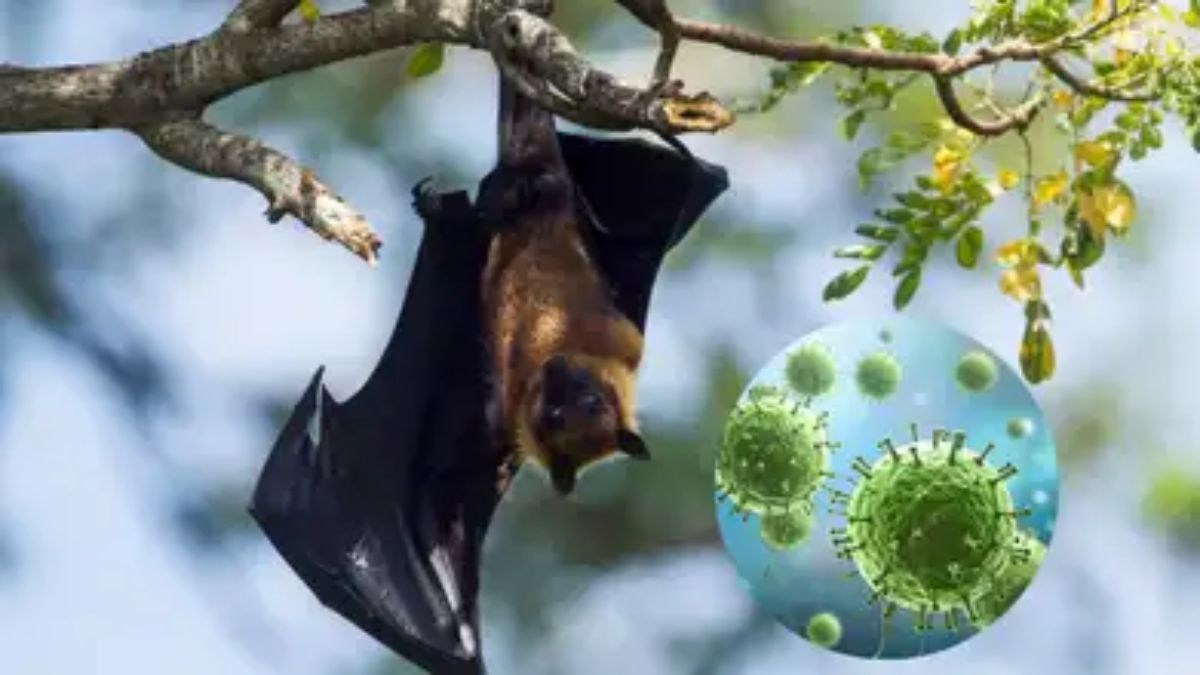
Nipah virus is a bat-borne disease that can spread to humans through contact with infected animals such as fruit bats or pigs, consumption of contaminated food, or through close contact with infected individuals. Human-to-human transmission has been documented in previous outbreaks.
Background:
Since its first identification in 1998, Nipah virus outbreaks have been reported in Bangladesh, India, Malaysia, Singapore and the Philippines. In India, outbreaks have occurred in West Bengal in 2001 and 2007, and repeatedly in Kerala since 2018. Kerala has recorded nine outbreaks over the past several years.
What authorities are doing:
State health officials have intensified surveillance, contact tracing and isolation measures. Hospitals have been advised to strictly follow infection control protocols while monitoring patients with symptoms such as fever, respiratory distress and encephalitis.