
NIA Arrests Seventh Suspect for Sheltering Red Fort Car Bombing Attacker
The National Investigation Agency (NIA) has arrested a resident of Faridabad for allegedly providing refuge and logistical assistance to Umar-un Nabi, the suicide bomber behind...
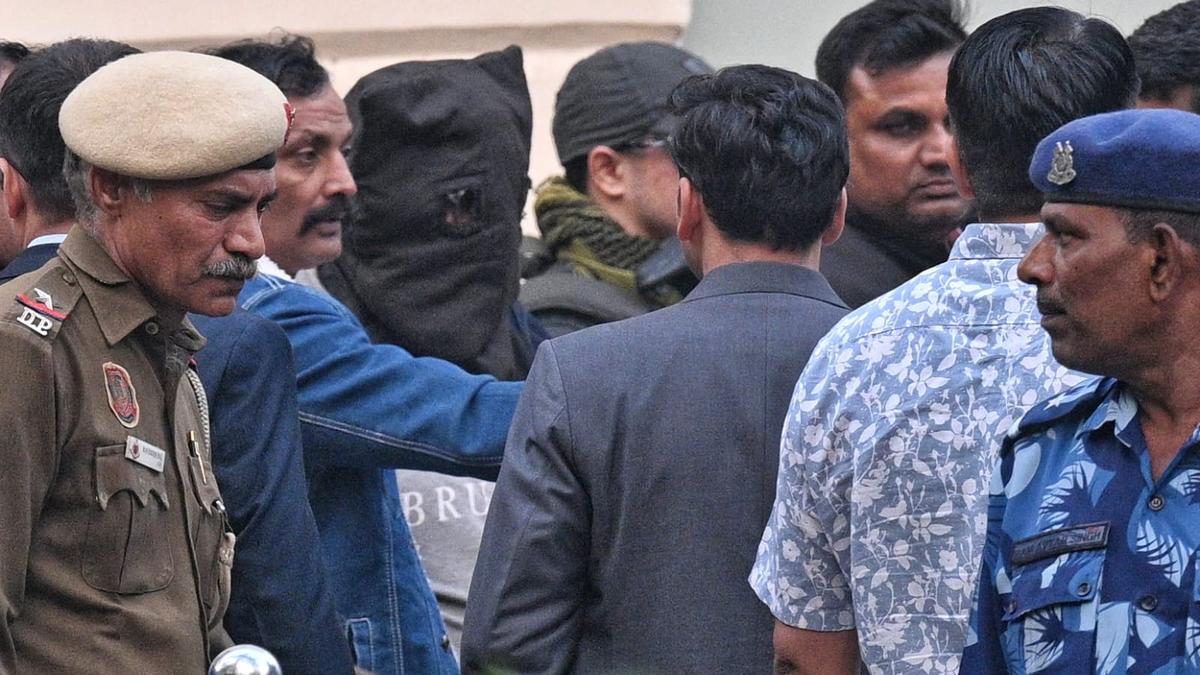
The National Investigation Agency (NIA) has arrested a resident of Faridabad for allegedly providing refuge and logistical assistance to Umar-un Nabi, the suicide bomber behind the deadly November 10 car blast outside Delhi’s Red Fort metro station.
The suspect, identified as Soyab, was taken into custody on Wednesday from Dhauj village in Haryana. He is the seventh accused detained in the expanding national-level terror probe.
New Arrest Deepens Probe Into ‘White-Collar’ Terror Network
According to information shared with news agency ANI, investigators uncovered evidence that Soyab sheltered Umar-un Nabi shortly before the attack. He also allegedly helped arrange logistical support in the run-up to the bombing, which killed at least 12 people and injured many others.
The NIA said it has already arrested six other aides of Umar as part of the case, and that Soyab is linked to the “white-collar” terror module originally exposed by the Jammu and Kashmir Police earlier this month. Authorities describe the network as a sophisticated operation with members embedded in academic and professional institutions.
An NIA spokesperson told PTI that the agency is “pursuing multiple leads across several states” and coordinating with local police to identify additional conspirators connected to the attack and to the broader network.
Earlier Arrests Revealed Safe Houses and Support System
Before Soyab’s arrest, the NIA had detained Amir Rashid Ali, who allegedly arranged a safe house and other support for Umar-un Nabi. Ali is considered the last known person to have interacted with the bomber before the explosion.
These arrests form part of a wider crackdown that began after authorities seized 2,900 kilograms of explosives and detained eight individuals—three of them doctors—linked to Al-Falah University in Faridabad. Officials said the discovery exposed a multi-state nexus involving Jaish-e-Mohammed and Ansar Ghazwat-ul-Hind, stretching across Kashmir, Haryana, and Uttar Pradesh.
What Happened on November 10?
The high-intensity blast occurred on the evening of November 10, when an explosive-laden Hyundai i20 detonated near the Red Fort metro station. The vehicle was being driven by Umar-un Nabi, a 28-year-old doctor from Pulwama and assistant professor at Al-Falah University.
Investigators say Nabi had become deeply radicalised and played a central role in building the terror cell. According to PTI, he was crafting a Vehicle-Borne Improvised Explosive Device (VBIED) intended for a major attack around December 6, the anniversary of the Babri Masjid demolition.
However, the plot began to unravel after the arrest of another Al-Falah University academic, Dr. Muzammil Ganaie, in Srinagar. The confiscation of explosives during that operation reportedly triggered panic among the group’s core members. Within hours, Umar-un Nabi carried out the Red Fort blast, which investigators believe may have been a desperate or premature detonation.
Authorities are still searching for Dr. Muzzaffar Rather, the third doctor alleged to be part of the module’s leadership.
Wider Implications for Security Agencies
The case has raised alarms within India’s intelligence community, highlighting how terror operatives are increasingly embedded in professional sectors such as healthcare and education. The arrests also underscore the challenge of tracking logistics networks operating across several states with relative mobility and anonymity.
Security analysts say the incident could lead to stronger scrutiny of academic institutions and tighter inter-state intelligence coordination.