
NGT Sounds Alarm on Bhopal’s Air: Tribunal Questions ‘Deceptive’ AQI Practices, Seeks State’s Reply
LeadBhopal’s worsening air pollution has come under sharp judicial scrutiny, with the National Green Tribunal (NGT) questioning whether authorities allowed air quality to deteriorate —...
Lead
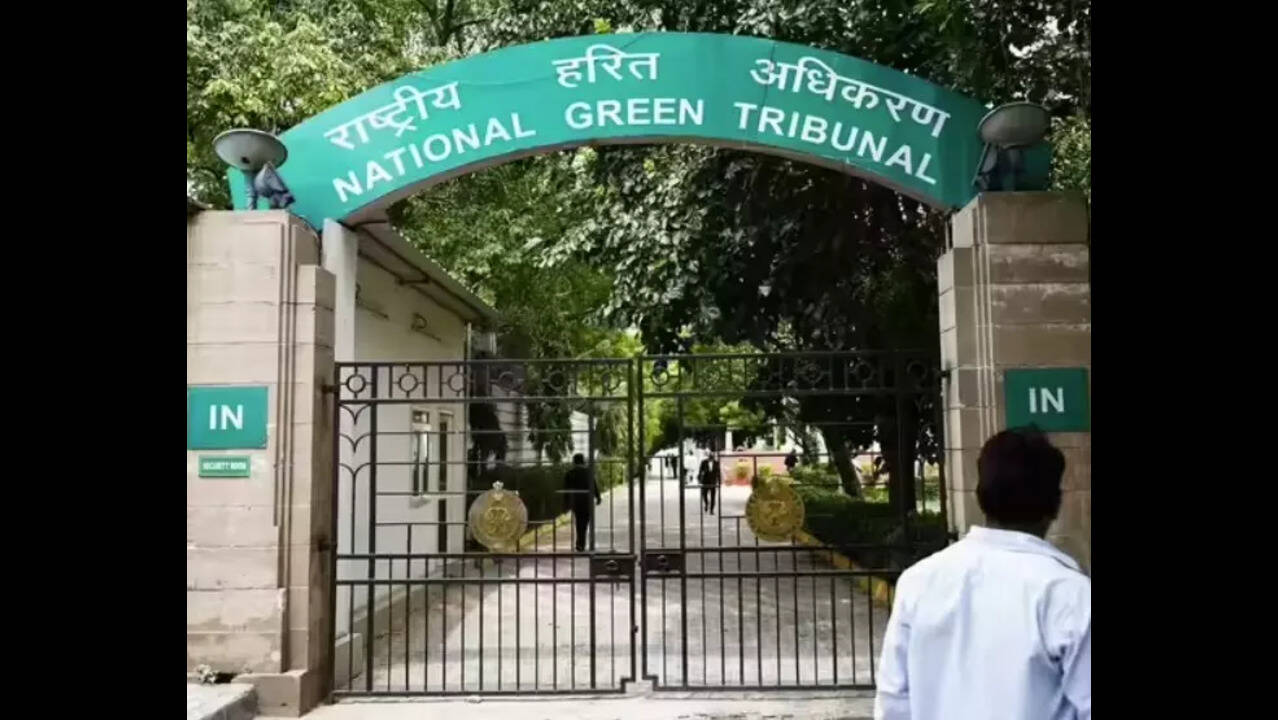
Bhopal’s worsening air pollution has come under sharp judicial scrutiny, with the National Green Tribunal (NGT) questioning whether authorities allowed air quality to deteriorate — and whether official data may have been deliberately distorted to downplay the crisis. Acting on a petition filed by the Bhopal Citizens’ Forum, the tribunal has issued notices to the Madhya Pradesh government and key agencies, demanding detailed explanations within four weeks.
Tribunal Flags Serious Concerns
In an order dated December 22, a central bench of the NGT, comprising judicial member Justice Pushpa Sathyanarayana and expert member Sudhir Chaturvedi, described the situation as one of “grave and worsening” air pollution. The matter is scheduled for further hearing on January 7.
The tribunal took note of allegations that Bhopal’s Air Quality Index (AQI) has, on multiple occasions, slipped into the “very poor” range — levels typically associated with the country’s most polluted cities. Petitioners cited readings crossing 300 on several days and claimed that on one occasion in October, AQI levels reportedly spiked far higher, triggering breathing distress among residents.
Claims of Data Manipulation
One of the most serious allegations before the NGT relates to the integrity of air quality monitoring itself. Counsel for the petitioners, advocate Harpreet Singh Gupta, argued that regulatory authorities may have attempted to artificially suppress AQI readings by repeatedly spraying water around continuous air-monitoring stations at prominent locations such as TT Nagar, the collectorate area, and Shahpura.
Such practices, the petition argues, can temporarily reduce dust particles in the immediate vicinity of sensors without improving air quality across the city. Gupta told the tribunal that this misleads the public and undermines transparency, amounting to a breach of citizens’ fundamental rights.
Multiple Sources of Pollution
The petition presents Bhopal’s pollution problem as the result of cumulative regulatory failures rather than a single cause. Among the factors highlighted:
-
Widespread use of prohibited firecrackers during the wedding season, despite Supreme Court restrictions
-
Construction activities allegedly operating without dust-suppression measures
-
Continued stubble burning in surrounding areas, even after earlier NGT directions in 2024
-
Poorly maintained roads generating constant dust
-
A large number of vehicles reportedly lacking valid pollution-under-control certificates
-
Use of coal-fired cooking units in eateries, allegedly in violation of the Air (Prevention and Control of Pollution) Act
According to the petitioners, Bhopal now ranks as the second-most polluted city in Madhya Pradesh, after the coal-heavy industrial region of Singrauli.
Health and Constitutional Dimensions
Beyond environmental compliance, the case places public health at the centre of the debate. The petition links prolonged exposure to polluted air with rising risks of heart disease, strokes, and chronic respiratory conditions.
Gupta invoked Article 21 of the Constitution — the right to life — along with Articles 48-A and 51A(g), which place environmental protection obligations on the state and citizens. He also referred to a 2024 Supreme Court judgment that recognized the right to be protected from the adverse effects of climate change, arguing that clean air is no longer a policy choice but a legally enforceable right.
Agencies Under the Scanner
Notices have been issued to a wide range of authorities, including the state government, the Bhopal Development Authority, the Public Works Department, the Madhya Pradesh Pollution Control Board, the Central Pollution Control Board, and the state’s Environment Impact Assessment Authority.
The petition seeks binding directions to curb emissions, ensure genuine monitoring, end cosmetic pollution-control measures, and enforce existing environmental laws across sectors.
Why This Case Matters
The NGT’s intervention comes at a time when air pollution is increasingly recognized as a national public health emergency. If the allegations of data manipulation are substantiated, the case could set a precedent on accountability and transparency in environmental monitoring — not just for Bhopal, but for cities across India.