
NGT pulls up Bhopal administration over sewage inflow into Upper Lake and no-construction violations
What happened: The National Green Tribunal (NGT) criticised the Bhopal administration and BMC for failing to stop sewage discharge and encroachments along Upper Lake despite...
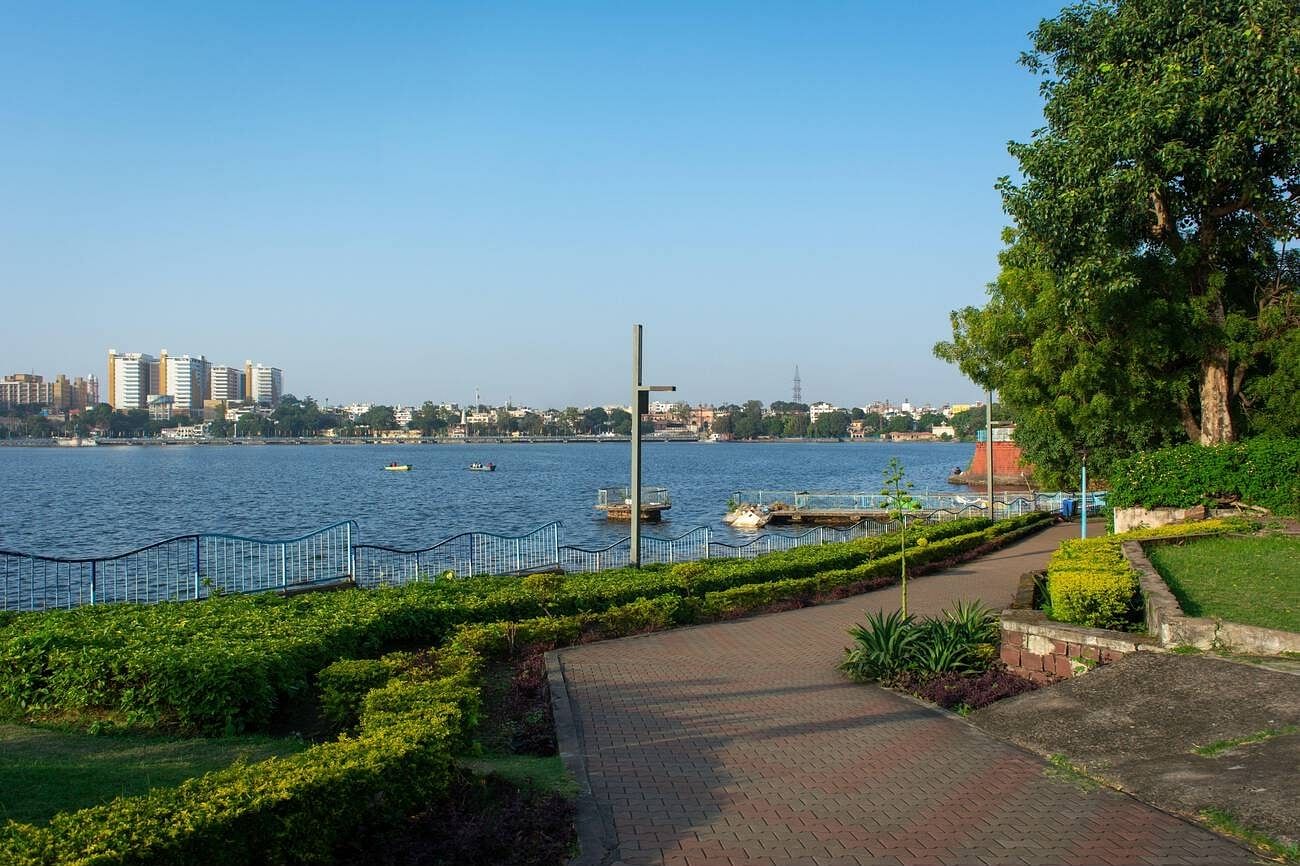
-
What happened: The National Green Tribunal (NGT) criticised the Bhopal administration and BMC for failing to stop sewage discharge and encroachments along Upper Lake despite repeated orders.
-
Why it matters now: Upper Lake is a Ramsar site and a major drinking water source, and continued contamination raises urgent public health and environmental risks.
-
What changes for people: Persistent sewage inflow threatens water quality, biodiversity and long-term drinking water safety, forcing tighter scrutiny of civic governance.
-
Who is affected: Residents of Bhopal, student petitioners, environmental groups, and communities dependent on Upper Lake’s ecosystem and drinking supply.
Bhopal’s Upper Lake, one of India’s oldest Ramsar wetlands and the city’s primary drinking water source, remains under heavy stress from encroachments and unchecked sewage discharge, prompting strong remarks from the National Green Tribunal. The issue resurfaced after student petitioners and city-based environmental activists flagged continuing violations in no-construction zones and untreated sewage inflow.
Tribunal questions lack of enforcement
In its most recent remarks on September 17, 2026, the NGT underlined that encroachments have persisted and sewage continues to enter water bodies, despite earlier directions.
The tribunal observed that capacity gaps in sewage treatment, reportedly exceeding 130 MLD, have not been fully addressed, even though nine Sewage Treatment Plants (STPs) exist along the lake’s edge. The NGT also noted delays in reply submissions by the Bhopal Municipal Corporation, describing the conduct as unsatisfactory.
Petitions sparked by youth and green groups
The situation was brought to the tribunal’s attention through multiple petitions, including one filed in 2020 by NLIU student Aarya Shrivastava, and a separate plea by environmental activist Rashid Noor Khan.
During hearings, activists submitted visual evidence showing houses, resorts, access roads and farmland within 50 metres of the Full Tank Level (FTL) of Upper Lake. This zone falls under a no-construction buffer meant to protect fragile wetland boundaries.
A wetland under pressure
Upper Lake’s ecological significance is twofold:
-
Drinking water security: It supplies a substantial share of Bhopal’s potable water, making contamination a public health risk.
-
Wetland conservation: As a Ramsar site, it is internationally recognized for biodiversity and hydrological importance.
Environmental experts say continued sewage inflow can lead to:
-
Algal blooms and eutrophication
-
Loss of aquatic biodiversity
-
Reduced reservoir lifespan due to sedimentation
-
Escalating treatment costs for drinking water
Governance and compliance gaps
Despite multiple interventions, there appears to be a disconnect between policy, enforcement and field-level compliance.
Key gaps highlighted:
-
Encroachment control not fully implemented
-
STP capacity shortfall not bridged
-
Monitoring and reporting delays
-
Weak inter-agency coordination
Officials acknowledge practical challenges but underline that removal of illegal settlements, upgrading STPs and sealing discharge points are complex, multi-agency tasks.
Why this matters for readers now
Bhopal’s case reflects a wider urban challenge in India: fast urbanization, weak sewage infrastructure and wetland encroachment, which ultimately threatens public health, climate resilience and water security.
What to watch next
Over coming months, key indicators to follow include:
-
NGT’s subsequent directions
-
Any court-backed deadlines for compliance
-
STP upgrades and capacity additions
-
Encroachment removal drives and mapping of buffer zones
Upper Lake’s future will depend on how quickly pollution controls, enforcement measures and restoration plans are translated into action on the ground.