
New Zealand go spin-heavy as T20 World Cup 2026 strategy takes shape
What happened: New Zealand have signalled a spin-focused approach for their T20 World Cup 2026 campaign. Why it matters now: The tournament will be played...
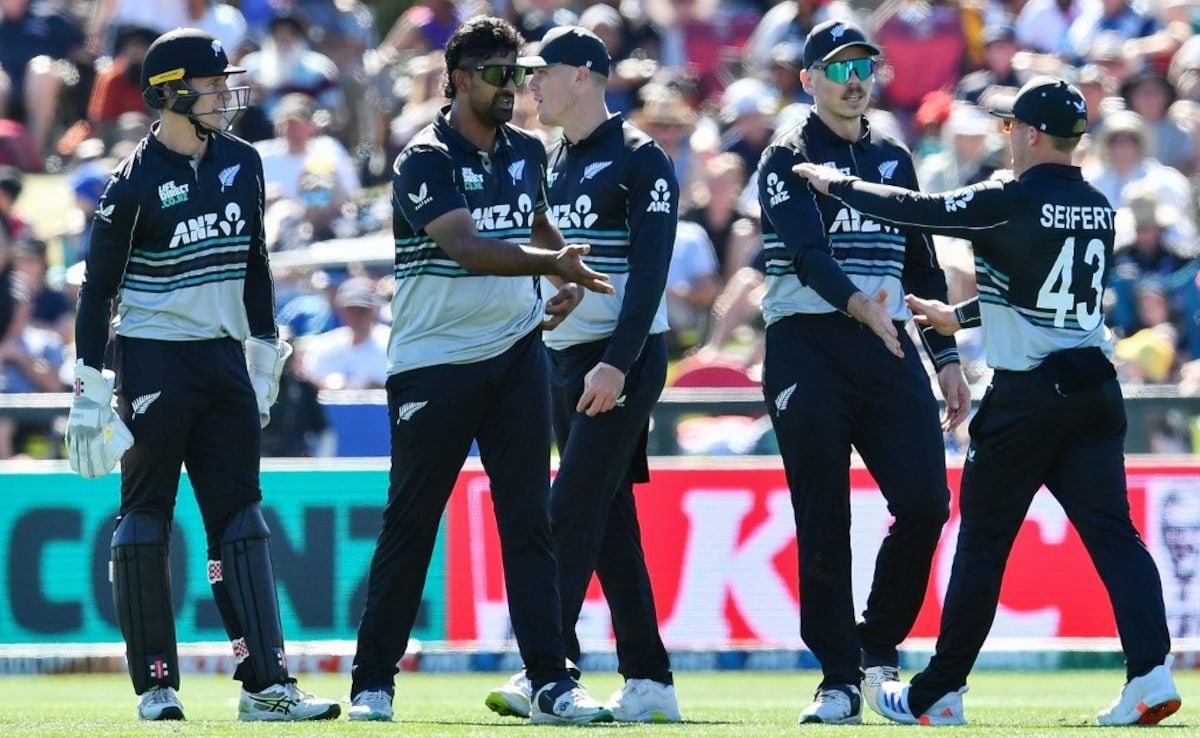
What happened: New Zealand have signalled a spin-focused approach for their T20 World Cup 2026 campaign.
Why it matters now: The tournament will be played in conditions expected to favour slow bowlers, especially in the later stages.
What changes for people: Team selections, playing XIs and match tactics are likely to shift away from pace-dominance.
Who is affected: New Zealand players, opposition teams, and fans tracking World Cup strategies.
New Zealand are reshaping their white-ball blueprint ahead of the T20 World Cup 2026, with a clear tilt towards spin bowling depth. Recent squad combinations and tactical experiments point to a deliberate move designed to exploit expected pitch conditions at the global event.
Cricket analysts say the shift marks a notable evolution for a side traditionally known for seam-friendly strategies.
Why New Zealand are backing spin
Team insiders and former players suggest the decision is driven by venue conditions, where dry surfaces and slower pitches are likely to dominate as the tournament progresses.
Key fact: Spin bowlers are increasingly effective in T20 cricket, especially during middle overs where run control is critical.
New Zealand’s management believes a stronger spin attack can apply sustained pressure while allowing fast bowlers to operate in shorter, sharper spells.
Major outcome: Spin is set to become central to New Zealand’s match plans in 2026.
Changing selection patterns
Recent series selections indicate a preference for multiple frontline spinners and spin-bowling all-rounders who add batting depth.