
New York Confirms First Locally Transmitted Chikungunya Case in Six Years: What It Means for the U.S.
A Nassau County resident has tested positive for chikungunya in what health officials say is New York State’s first locally acquired case — and the...
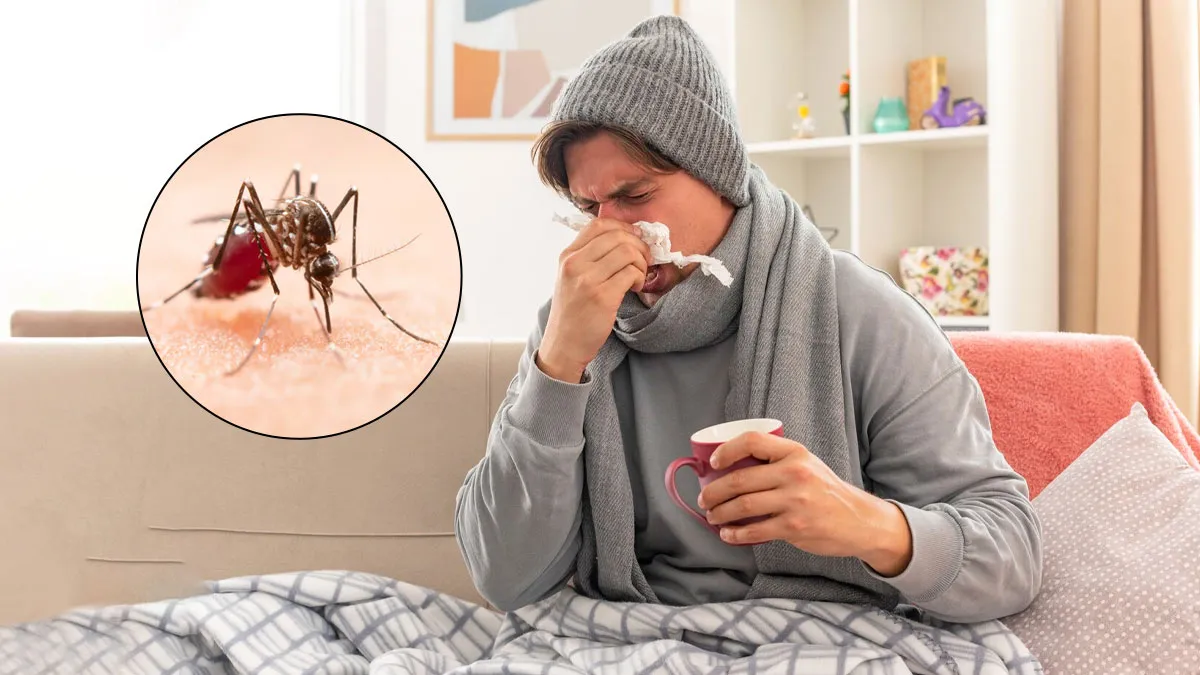
A Nassau County resident has tested positive for chikungunya in what health officials say is New York State’s first locally acquired case — and the first U.S. transmission since 2019.
Authorities emphasize that the public risk remains low but warn that climate conditions may be expanding the reach of mosquito-borne diseases across temperate regions.
First U.S. Case of Local Transmission Since 2019
The New York State Department of Health (NYSDOH) confirmed that a resident of Nassau County, Long Island, contracted chikungunya despite no recent international travel — a clear indication that the infection occurred through a local mosquito bite.
Testing conducted at the Wadsworth Center, the state’s public health laboratory, verified the infection in late September. Officials said that no infected mosquitoes have been detected in ongoing surveillance efforts and stressed that there is no evidence of further spread at this time.
“This is a significant finding, but it does not signal an outbreak,” a NYSDOH spokesperson said. “We are increasing mosquito surveillance and urging residents to take standard precautions against mosquito bites.”
Why This Case Matters
The case marks the first known local transmission in New York’s history and the first in the United States in six years. While chikungunya is typically confined to tropical and subtropical regions of Africa, Asia, and the Americas, experts have long warned that warming climates and global travel could allow mosquito species such as Aedes aegypti and Aedes albopictus — the main carriers — to thrive farther north.
Dr. Laura Kramer, a virologist at the University at Albany’s School of Public Health, noted that “the re-emergence of mosquito-borne viruses in non-tropical regions shows how shifting weather patterns are altering disease geography.”
What Is Chikungunya?
Chikungunya virus (CHIKV) is an Alphavirus belonging to the Togaviridae family. Its name comes from the Makonde language, meaning “that which bends up,” describing the stooped posture caused by severe joint pain — one of the infection’s hallmark symptoms.
Symptoms typically appear 3–7 days after an infected mosquito bite and include:
-
Sudden high fever
-
Severe joint and muscle pain
-
Headache, rash, and fatigue
While most patients recover within a week, some experience lingering joint pain for months. Fatal cases are rare, but older adults, infants, and those with chronic conditions like diabetes or heart disease face higher risks of complications.
No Cure, But Prevention Is Key
There is no specific antiviral treatment or cure for chikungunya. Health experts stress mosquito control and personal protection as the best defense.
Authorities advise residents to:
-
Use EPA-approved insect repellents (such as DEET or picaridin).
-
Wear long sleeves and pants, especially at dawn and dusk.
-
Eliminate standing water from containers, gutters, or tires where mosquitoes breed.
-
Use window screens and air conditioning indoors.
Some experimental vaccines are being tested or used in limited settings, though none are yet widely available in the U.S.
Broader Implications for Public Health
The detection of local chikungunya transmission underscores the growing challenge of vector-borne diseases in a changing climate. Similar patterns have been observed with dengue, West Nile, and Zika in parts of North America and Europe.
Dr. Anthony Fauci, former head of the U.S. National Institute of Allergy and Infectious Diseases, has previously warned that “mosquito-borne viruses are sentinels of environmental change — when they appear in new places, it’s a sign that ecosystems and temperatures are shifting.”
Health authorities in New York say they are coordinating with the Centers for Disease Control and Prevention (CDC) to track mosquito populations and review containment measures.
Public Risk Remains Low, But Vigilance Urged
Officials emphasize that no widespread transmission has been detected and that residents need not panic. However, they urge the public to remain alert during the warm months when mosquito activity peaks.
“Simple steps like removing stagnant water and using repellents go a long way in preventing mosquito bites,” the NYSDOH said.