
New Year’s Eve Terror Plot Foiled in US: How FBI Stopped ISIS‑Inspired Attack by 18‑Year‑Old in North Carolina
US federal authorities say they have prevented a potential mass‑casualty terrorist attack planned for New Year’s Eve after arresting an 18‑year‑old North Carolina resident allegedly...
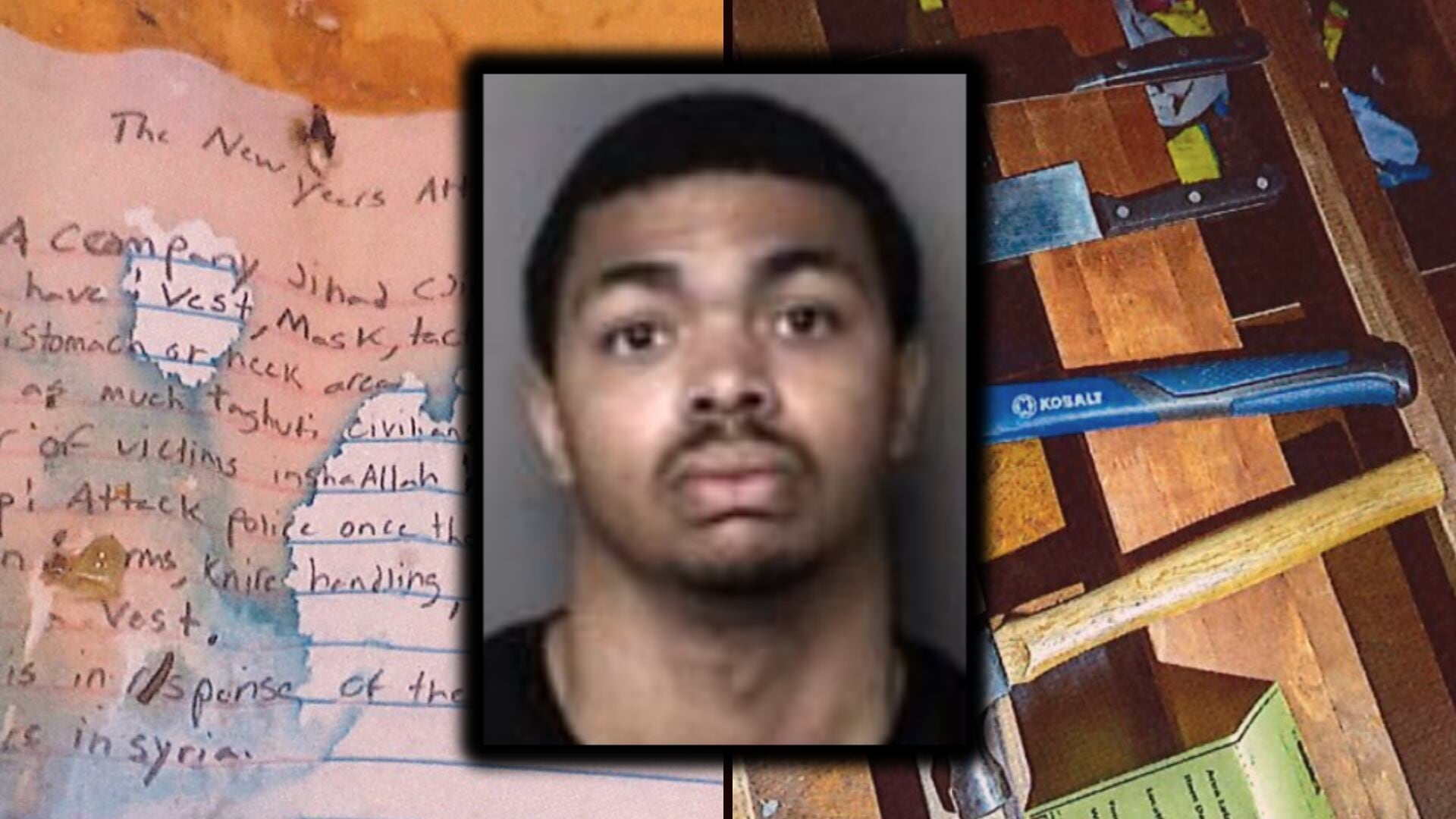
US federal authorities say they have prevented a potential mass‑casualty terrorist attack planned for New Year’s Eve after arresting an 18‑year‑old North Carolina resident allegedly inspired by the Islamic State (ISIS).
The suspect, Christian Sturdivant, from Mint Hill near Charlotte, was taken into custody on December 31, 2025, just hours before the alleged attack was to be carried out. According to the Federal Bureau of Investigation (FBI) and court documents, Sturdivant had been planning an assault on civilian locations, including a grocery store and a fast‑food outlet, with the stated aim of killing civilians and dying in what he described as a “martyrdom operation.”
Charges and Legal Action
Sturdivant has been charged with attempting to provide material support to a designated foreign terrorist organisation, a federal offence. Prosecutors say the case underscores the continuing threat of online radicalisation and lone‑actor terrorism within the United States.
Online Radicalisation Raised Red Flags
Investigators say the case began unfolding in mid‑December after the FBI received intelligence about extremist content posted by Sturdivant on social media platforms. Authorities allege that his online posts reflected ISIS ideology and language commonly used in the group’s propaganda.
One post cited in the criminal complaint reportedly included an image accompanied by language hostile toward religious groups, which investigators said aligned with extremist narratives used by ISIS to incite violence against civilians and religious communities.
Undercover FBI Operation
According to the FBI, agents launched an undercover operation on December 18, with an officer posing online as an ISIS supporter. Through encrypted chats and voice messages, Sturdivant allegedly expressed allegiance to the terror group and repeatedly discussed plans to carry out an attack.
During these exchanges, he allegedly told the undercover agent that he intended to carry out “jihad” and referred to himself as a soldier of the group. Officials say the communication allowed law enforcement to monitor his planning process and assess the immediacy of the threat.
Weapons, Targets and Preparation
Court filings state that Sturdivant shared images of knives and hammers, weapons ISIS propaganda has encouraged supporters to use in attacks in Western countries due to their easy availability. He also discussed plans to acquire a firearm to increase casualties.
A search of his home uncovered two butcher knives, two hammers, tactical gloves, a vest, and handwritten notes outlining potential targets. Investigators said the items recovered matched images previously sent to the undercover agent.
‘New Year’s Attack’ Notes and Martyrdom Plan
Authorities say the most alarming discovery came during a search conducted on December 29, when officers found handwritten notes titled “New Year’s Attack 2026.” The document allegedly detailed plans to attack civilians with a goal of killing as many as 20 people.
Another section reportedly outlined a strategy to confront responding police officers, with the explicit intention of being killed during the attack. Prosecutors described this as evidence of a planned “martyrdom operation.”
In a statement, Assistant Attorney General John A. Eisenberg said the suspect was in the final stages of planning when he was arrested, crediting the undercover operation with preventing a potentially devastating attack.
Broader Security Concerns
US security agencies have repeatedly warned that online radicalisation, particularly among young individuals, remains a key driver of domestic terrorism threats. Officials say extremist groups continue to exploit social media and encrypted platforms to recruit, radicalise, and instruct lone actors.
Authorities stressed that the case highlights the importance of early detection, digital monitoring, and community awareness in preventing attacks before they occur.