
Netanyahu: Gaza War Won’t End Until Hamas is Disarmed and Strip Demilitarised
Israeli Prime Minister Benjamin Netanyahu on Saturday underscored that the ongoing conflict in Gaza would continue until Hamas is fully disarmed and the territory is...
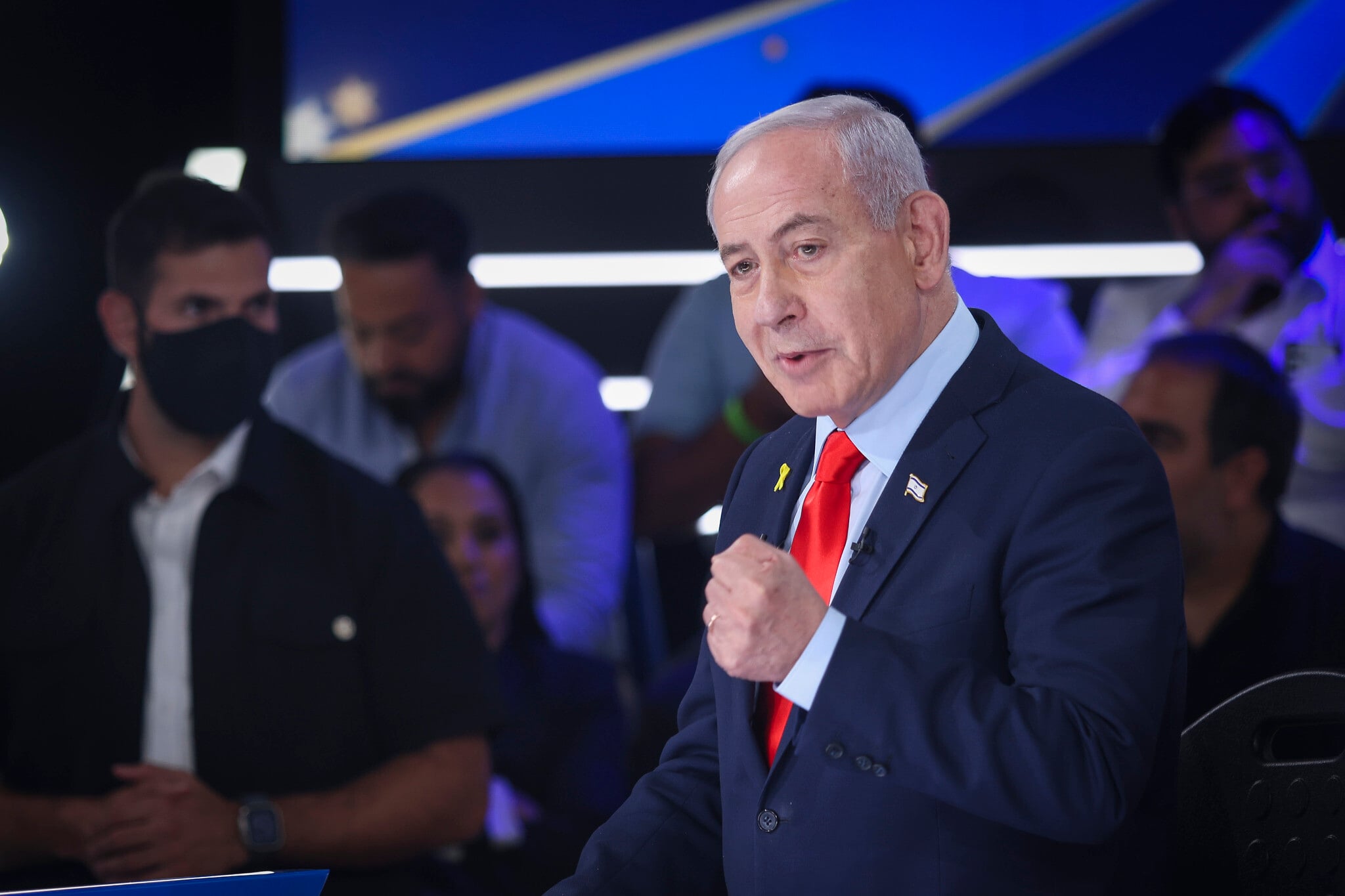
Israeli Prime Minister Benjamin Netanyahu on Saturday underscored that the ongoing conflict in Gaza would continue until Hamas is fully disarmed and the territory is demilitarised, even as the US-brokered ceasefire facilitates the handover of hostage remains.
Netanyahu’s remarks came after Hamas’s armed wing, the Ezzedine Al-Qassam Brigades, handed over the remains of two hostages to a Red Cross team, which transferred them to Israeli forces in Gaza for identification. This handover forms part of the first phase of the ceasefire, but Israel has linked the reopening of the Rafah crossing to the recovery of all hostages’ remains.
Ceasefire Hinges on Disarmament
In an interview on right-wing Israeli Channel 14, Netanyahu stressed that the second phase of the truce, which requires Hamas to relinquish weapons and demilitarise Gaza, is critical to ending the war.
“When that is successfully completed — hopefully in an easy way, but if not, in a hard way — then the war will end,” he said.
Hamas has resisted disarmament, seeking instead to reassert its authority across Gaza since the ceasefire took effect.
The US State Department warned on Saturday of “credible reports” suggesting Hamas could launch new attacks against civilians, describing any such action as a ceasefire violation. The statement indicated that protective measures would be taken if attacks occur, without specifying targets.
Rafah Crossing Remains Closed
Under the truce brokered by US President Donald Trump, Hamas has released all 20 living hostages, along with the remains of nine Israelis and one Nepalese, in exchange for nearly 2,000 Palestinian prisoners and 135 Palestinian bodies released by Israel since October 10.
Netanyahu’s office announced the Rafah crossing will remain closed until Hamas fulfills its obligations under the ceasefire, warning that its reopening will depend on compliance with the framework. Hamas responded that this closure could significantly delay the retrieval and transfer of remaining bodies.
Humanitarian Crisis in Gaza
Meanwhile, UN humanitarian chief Tom Fletcher visited northern Gaza on Saturday, describing the scale of destruction as “devastating”. Fletcher reported residents attempting to dig latrines amid rubble and outlined a 60-day relief plan, including:
-
Distributing one million meals daily
-
Rebuilding the health sector
-
Delivering tents for winter
-
Returning hundreds of thousands of children to schools
Violence Persists Despite Ceasefire
Despite the truce, some violence continues. Gaza’s civil defence reported that Israeli tank shells struck a bus in Shaaban, killing nine Palestinians, including four children, with two more victims’ remains still unaccounted for. At Al-Ahli Hospital, relatives mourned the victims.
“My daughter, her children and her husband; my son, his children and his wife were killed. What did they do wrong?” asked grandmother Umm Mohammed Shaaban.
The Israeli military stated it targeted a vehicle approaching the “yellow line”, which Israeli forces are to respect under the ceasefire, and did not provide casualty figures.
Implications
The ceasefire’s fragility highlights the ongoing risks for civilians in Gaza. Analysts emphasize that lasting peace depends on full compliance from Hamas, continued humanitarian support, and careful monitoring of border activity.