
Nearly 2.9 Crore Voters May Be Dropped in Uttar Pradesh Roll Revision as EC Delays Draft Publication
The ongoing Special Intensive Revision (SIR) of electoral rolls in Uttar Pradesh could result in the deletion of nearly 2.89 crore voters, or 18.7 per...
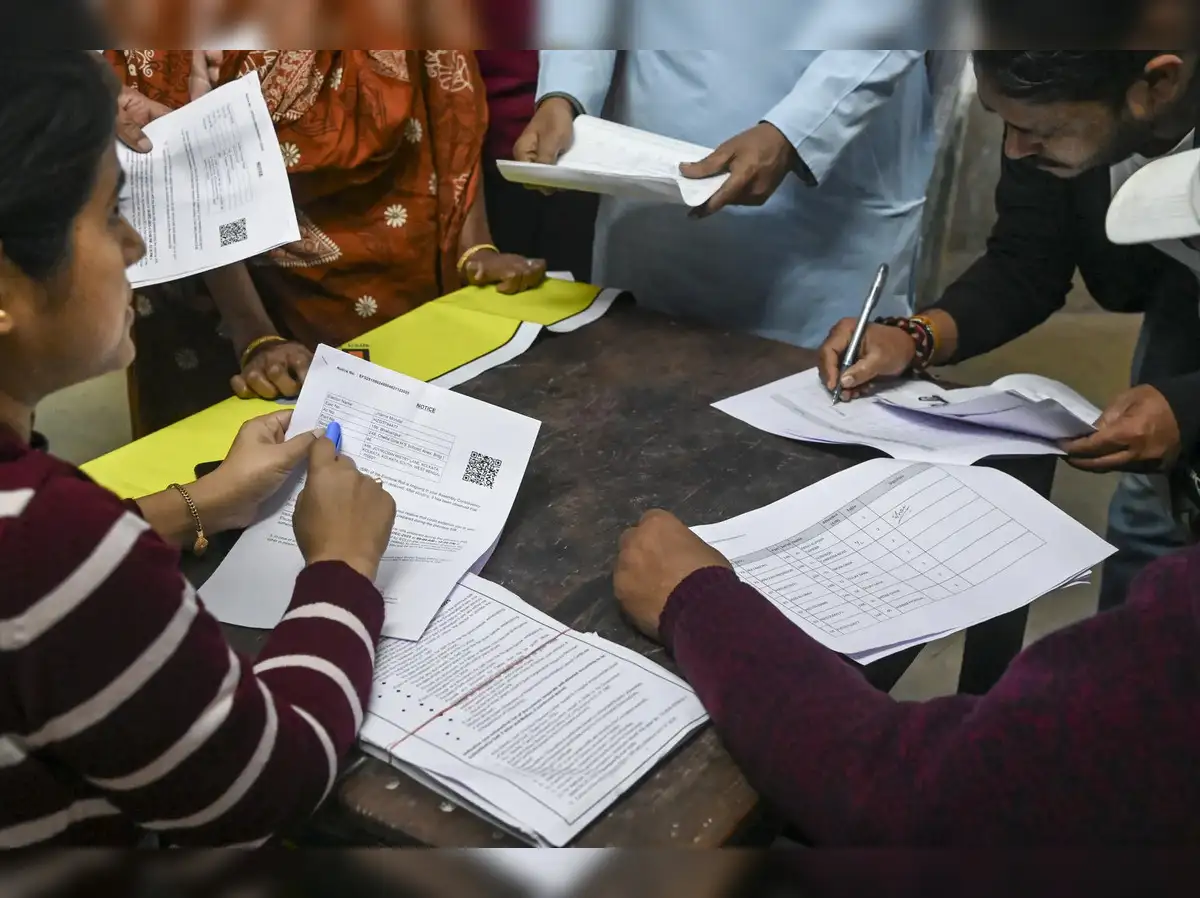
The ongoing Special Intensive Revision (SIR) of electoral rolls in Uttar Pradesh could result in the deletion of nearly 2.89 crore voters, or 18.7 per cent of the state’s electorate, according to provisional data accessed by The Indian Express. The development comes as the Election Commission of India (ECI) on Tuesday postponed the publication of the draft electoral roll from December 31 to January 6, 2026.
Uttar Pradesh, with an electorate of about 15.44 crore, is expected to witness the highest proportion of deletions among the 12 states and Union Territories where the SIR exercise began on October 27, 2025. By comparison, Tamil Nadu and Gujarat—whose draft rolls have already been published—recorded deletions of about 15 per cent and 14.5 per cent, respectively.
Why the Draft Roll Was Delayed
Uttar Pradesh Chief Electoral Officer Navdeep Rinwa said the delay was necessitated by a major rationalisation of polling booths across the state. As per the revised norms approved by the Election Commission on December 23, polling booths are now being reorganised on the basis of 1,200 voters per booth, down from 1,500 earlier.
This exercise led to the creation of 15,030 new polling booths, increasing the total number in the state from 1.62 lakh to around 1.77 lakh. Voters’ names are being reassigned to new booths, part numbers are being reallocated, Booth Level Officers (BLOs) are being appointed, and the electoral rolls will also be displayed at these new locations on January 6.
Revised SIR Timeline
Under the updated schedule announced by the ECI:
-
Draft electoral roll will be published on January 6, 2026
-
Claims and objections can be filed from January 6 to February 6
-
Verification, notices, and disposal of claims and objections will continue until February 27
-
Final electoral roll will be published on March 6
Earlier, the draft roll was to be released on December 31, with the final roll due by February 28. This marks the third extension of the SIR schedule for Uttar Pradesh.
Why So Many Names Are Being Deleted
Sources said that after the first phase of enumeration, which ended on December 26, voters whose enumeration forms were not collected have been marked for deletion. As in other states, most deletions are expected to be due to voters being recorded as deceased, shifted, absent, or registered at multiple locations.
So far, neither the ruling party nor the Opposition has flagged systemic irregularities in the process.
Urban Districts Most Affected
An analysis of the provisional data shows that urban districts account for a disproportionately high number of deletions. Among the worst affected are:
-
Lucknow: ~12 lakh deletions (30% of 39.94 lakh voters)
-
Prayagraj: 11.56 lakh (24.64%)
-
Kanpur Nagar: 9 lakh (25.5%)
-
Agra: 8.36 lakh (23.25%)
-
Ghaziabad: 8.18 lakh (28.83%)
Other districts with high deletions include Bareilly, Meerut, Gorakhpur, Sitapur and Jaunpur.
Election data from past Assembly polls shows that urban areas in Uttar Pradesh have largely been strongholds of the BJP, adding political significance to the scale and geography of the deletions.
Political Reactions: No Allegations of Targeting
Despite earlier concerns from Opposition parties that their supporters might be disproportionately removed, leaders from both the Samajwadi Party (SP) and the BJP said the deletions appear to be politically neutral.
SP’s Lucknow Mahanagar president Fakir Siddiqui said the deleted names did not belong to any specific caste, religion, or party. “Many people living in cities for education or jobs were registered at multiple places. They have chosen to retain their names at one location, which explains the high deletions,” he said, adding that the party has instructed its Booth Level Agents to track “absent” voters and help them re-enrol if eligible.
A similar assessment came from Prayagraj, where SP leader Syed Iftekhar Hussain said voters in urban constituencies preferred to keep their registration at rural addresses.
BJP’s Kanpur Mahanagar president Shivam Singh echoed the view, noting that absentee voters and dual registrations are common in cities. “Any party that actively reaches out to genuine voters dropped from the list will benefit electorally,” he said.
Looking Ahead to 2027
A senior BJP leader said the party is now focusing on new voter enrolment, estimating that around 50 lakh people will attain voting age before the 2027 Uttar Pradesh Assembly elections.
Election experts note that while large-scale deletions are not unusual during intensive revisions, the final impact will depend on how effectively genuine voters file claims and how transparently objections are handled before the final roll is published in March.
For now, the Election Commission maintains that the process is procedural, data-driven, and aimed at ensuring a clean and accurate electoral roll ahead of future elections.