
Mumbai brace for a new civic era as BMC results finally near
What happened: Voting in the Brihanmumbai Municipal Corporation (BMC) election concluded on 15 January 2026, with results due today, 16 January 2026. Exit polls show...
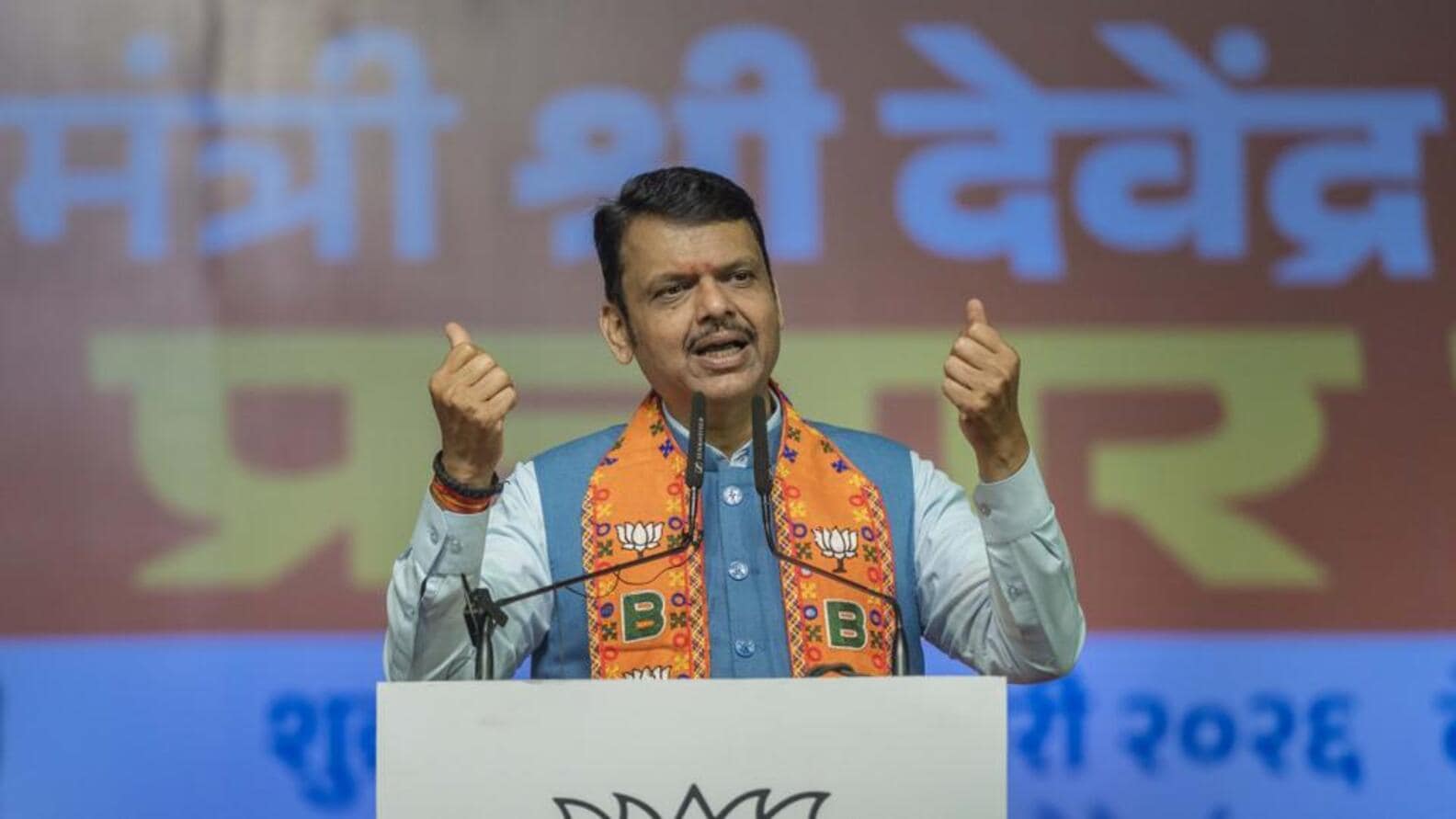
What happened: Voting in the Brihanmumbai Municipal Corporation (BMC) election concluded on 15 January 2026, with results due today, 16 January 2026. Exit polls show the BJP–Shinde Sena (Mahayuti) alliance poised for a strong showing.
Why it matters now: BMC is Asia’s richest civic body, with an annual budget exceeding ₹74,000 crore, influencing local services, infrastructure, and daily life.
What changes for people: A new elected leadership could shift how roads, water, sanitation, transport, and city budgets are managed after years under administrators.
Who is affected: Mumbai’s 10+ million voters, local businesses, commuters, and residents across all socio-economic groups.
Mumbai’s biggest civic contest in years reaches a turning point
Voting for the 227-seat Brihanmumbai Municipal Corporation, one of India’s most powerful local governments, ended on Thursday, 15 January 2026, with victory trends expected today. The BJP–Shinde Sena alliance leads most exit polls, suggesting control of the city’s purse strings and policy agenda.
This election matters because the BMC, larger in budget than some Indian states, oversees daily life and major infrastructure in India’s financial capital.
Why this election is decisive
The BMC has not had elected representatives since 2022 due to pandemic-related delays and legal disputes over ward boundaries and reservation policies. Governance has been in the hands of appointed administrators, leaving elected oversight dormant for over three years.
The results will determine who controls a budget of over ₹74,000 crore and sets priorities for roads, drainage, health services, public transport, and urban planning for the next five years.
Counting day pressure and political stakes
National and state leaders have engaged heavily in the campaign. Early trends show the Mahayuti alliance — led by BJP, Shinde’s Shiv Sena, and allied parties — ahead in key wards, while opposition groups aligned with Uddhav and Raj Thackeray strive to reclaim influence.
Control of the BMC is widely seen as a barometer of political strength across Maharashtra and beyond, shaping power balances between leading parties.
Voters faced hurdles on polling day
Election day was not without controversy. Many residents complained that their names were missing or wrongly listed on voter rolls, forcing them to search for new polling booths, sometimes unsuccessfully.
There were also allegations about the use of marker pens instead of traditional indelible ink, which local parties claimed could be removed and might undermine voter confidence. Officials said they are looking into the complaints.
Senior citizens and voters raised concerns over the absence of home-voting arrangements and VVPAT verification at many stations, further adding to frustrations.
What’s at stake for everyday life
Control of the BMC impacts:
-
Public infrastructure: Potholes, drainage, flooding management, and road quality directly affect commuters and local businesses.
-
Sanitation and water services: Essential services that shape public health and quality of life.
-
Transport policy: Budget allocations influence the BEST bus network and last-mile connectivity.
-
Urban development: Big-ticket projects like coastal roads and sewage systems depend on BMC planning and execution.
Multiple voices, one city watching
Officials stress that voting was largely peaceful and orderly, while opposition representatives point to administrative lapses. Analysts say that whoever commands the BMC will have significant leverage over Mumbai’s fiscal and bureaucratic machinery.