
MP High Court: No 'Unnatural Sex' Charge in Valid Marriage
Court quashes charge in marital dispute.
Top Summary
- What happened: The Madhya Pradesh High Court, Gwalior bench, quashed 'unnatural sex' charges against a husband, filed by his wife.
- Why it matters: It clarifies the legal position on Section 377 IPC within a marriage, preventing its misuse.
- What changes for people: It reinforces that allegations of forced 'unnatural acts' within marriage don't constitute an offense under Section 377 IPC.
- Who is affected: Married couples in Madhya Pradesh, particularly in the Gwalior-Chambal region, and those involved in matrimonial disputes.
Court Ruling on Section 377 IPC
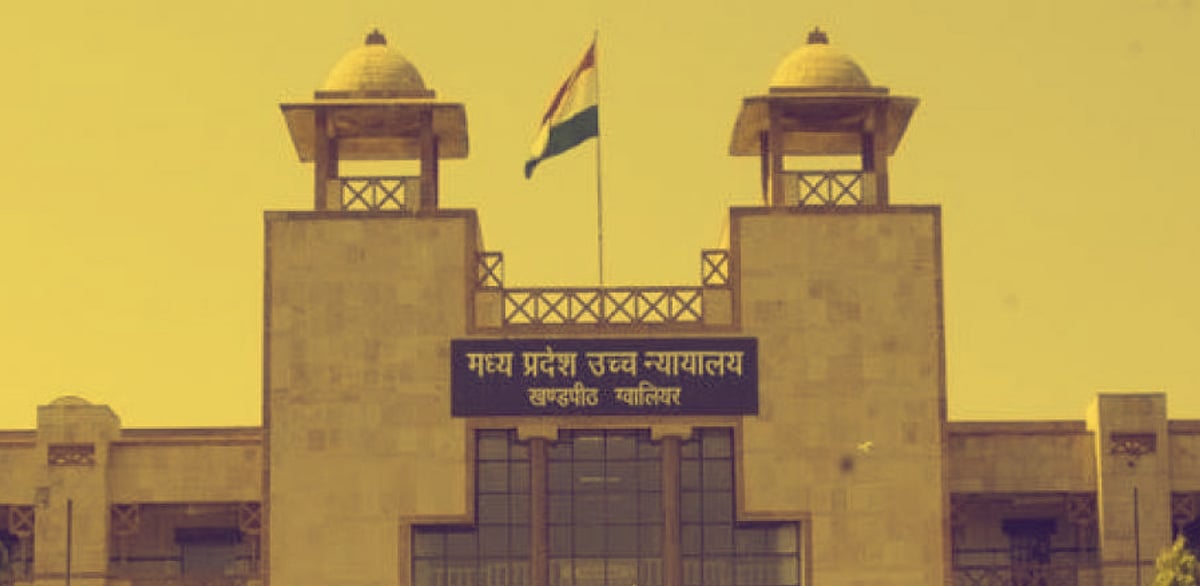
The Madhya Pradesh High Court, Gwalior bench, has quashed charges of 'unnatural sex' against a married man from Bhind district.
Justice Milind Ramesh Phadke, hearing the petition, stated that even if the wife's allegations were true, they don't constitute an offense under Section 377 IPC within a valid marriage.
Understanding the Legal Framework
The court referenced the 2013 amendment to Section 375 IPC, expanding the definition of rape to include oral and anal penetration.
However, the exception remains: "sexual intercourse or sexual acts by a man with his own wife… is not rape."
"Such allegations would not constitute an offence under Section 377 IPC,"
the court stated, clarifying that such acts between husband and wife cannot be prosecuted under Section 377 IPC.
Other Charges Remain
The court upheld other charges against the husband, including cruelty for dowry, assault, and criminal intimidation.
These charges, supported by evidence, will be examined during the trial.
Misuse of Section 377 IPC
Officials have noted an increasing trend in the Gwalior-Chambal region of invoking Section 377 IPC in matrimonial disputes alongside dowry and cruelty charges.
It is often added to strengthen the case, though courts have repeatedly scrutinized its applicability in marital relationships.
What to Watch Next
The trial on the remaining charges of dowry harassment, assault, and criminal intimidation will proceed. The court's ruling on Section 377 IPC is likely to influence similar cases in the region, potentially leading to fewer instances of its misuse in marital disputes.