
Modi Urges Ceasefire in West Asia After Deadly Iran-Israel Clash
PM Modi spoke with Israeli and UAE leaders amid escalating conflict.
Top Summary
- What happened: PM Modi spoke with Israeli PM Netanyahu and UAE President Al Nahyan regarding escalating tensions in West Asia following attacks between Iran and Israel.
- Why it matters: India expresses concern over regional instability and prioritizes the safety of civilians caught in the crossfire.
- What changes for people: India reiterates its call for an immediate end to hostilities, signaling a diplomatic push for de-escalation.
- Who is affected: Civilians in Israel, the UAE, and the broader region are directly affected by the ongoing conflict. India expresses solidarity with the UAE.
Modi, Netanyahu Discuss Escalating Conflict
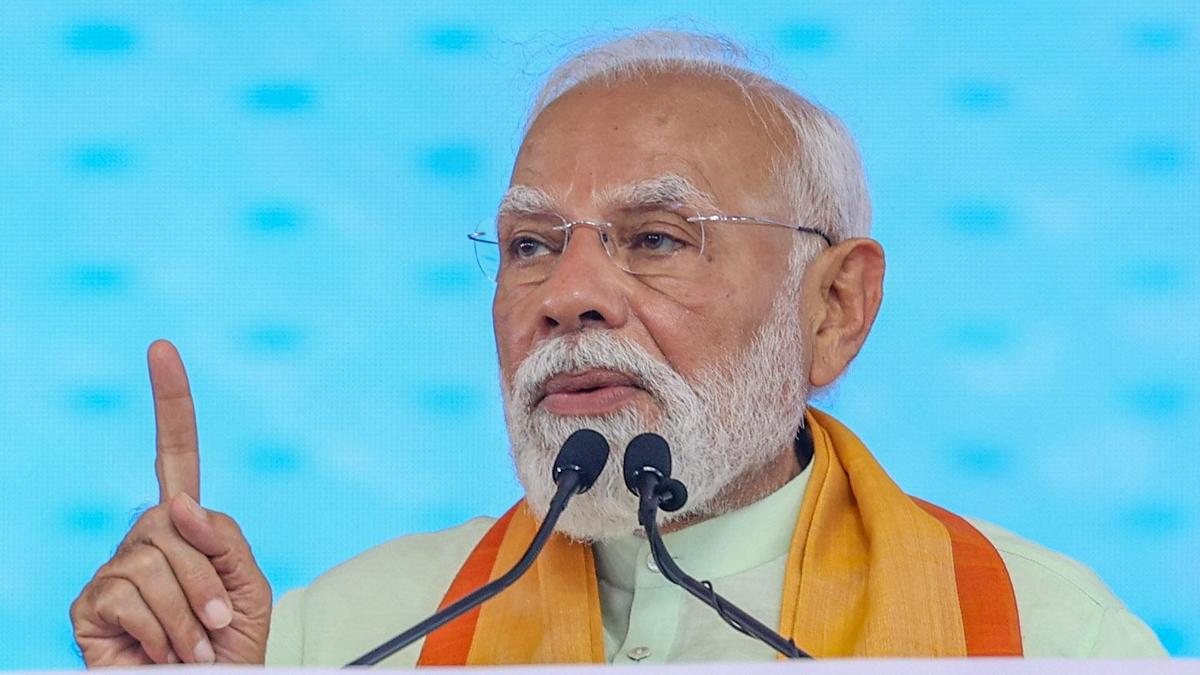
Prime Minister Narendra Modi held a telephonic conversation with Israeli Prime Minister Benjamin Netanyahu on Sunday, March 1, 2026, to discuss the rapidly deteriorating regional situation in West Asia.
The call followed a weekend of intense military action between Iran and Israel.
Modi conveyed India's concerns regarding the recent developments.
India Prioritizes Civilian Safety, Calls for Ceasefire
PM Modi emphasized the critical need to protect civilians during the ongoing hostilities.
"Conveyed India's concerns over recent developments and emphasised the safety of civilians as a priority. India reiterates the need for an early cessation of hostilities."
India reiterated its commitment to de-escalation and called for an immediate ceasefire.
Solidarity with the UAE After Attacks
On Sunday, March 1, 2026, PM Modi also spoke with UAE President Sheikh Mohamed bin Zayed Al Nahyan.
He condemned the attacks on the Gulf nation and assured the UAE of India's unwavering support during this difficult time.
India stands in solidarity with the UAE.
Deadly Attack in Beit Shemesh
An Iranian missile attack on the central Israeli city of Beit Shemesh resulted in significant casualties on Sunday, March 1, 2026.
Police reported at least nine people killed and 11 missing in what they described as the deadliest strike since the start of the conflict.
Background: US-Israel Strikes Against Iran
The escalating tensions followed a wave of strikes launched by the U.S. and Israel against Iran on Saturday, February 28, 2026.
These strikes resulted in the death of Iranian Supreme Leader Ayatollah Ali Khamenei, triggering a swift and forceful retaliation from Tehran that extended into Sunday, March 1, 2026.
What to Watch Next
The international community will be closely monitoring diplomatic efforts to de-escalate the conflict. Further developments are expected as nations weigh their responses and consider potential mediation roles.