
Millions of Jeffrey Epstein files released by US justice department
What happened: The US Department of Justice released millions of Epstein-related files, the largest disclosure to date under a transparency law. Why it matters: The...
-
What happened: The US Department of Justice released millions of Epstein-related files, the largest disclosure to date under a transparency law.
-
Why it matters: The documents expose contacts with global elites, raise fresh questions about accountability, and test public trust in government transparency.
-
What changes for people: The files are now publicly accessible, but heavy redactions mean many questions remain unanswered.
-
Who is affected: Victims and advocates, political leaders, public figures named in correspondence, and institutions facing renewed scrutiny.
Powerful lead
The long-promised disclosure of Jeffrey Epstein’s files has finally landed—and it’s enormous. Three million pages, 180,000 images, and 2,000 videos were released in one sweep, reopening global debate over power, privilege, and whether justice ever fully caught up with one of the most notorious sex-trafficking cases in modern history.
What happened
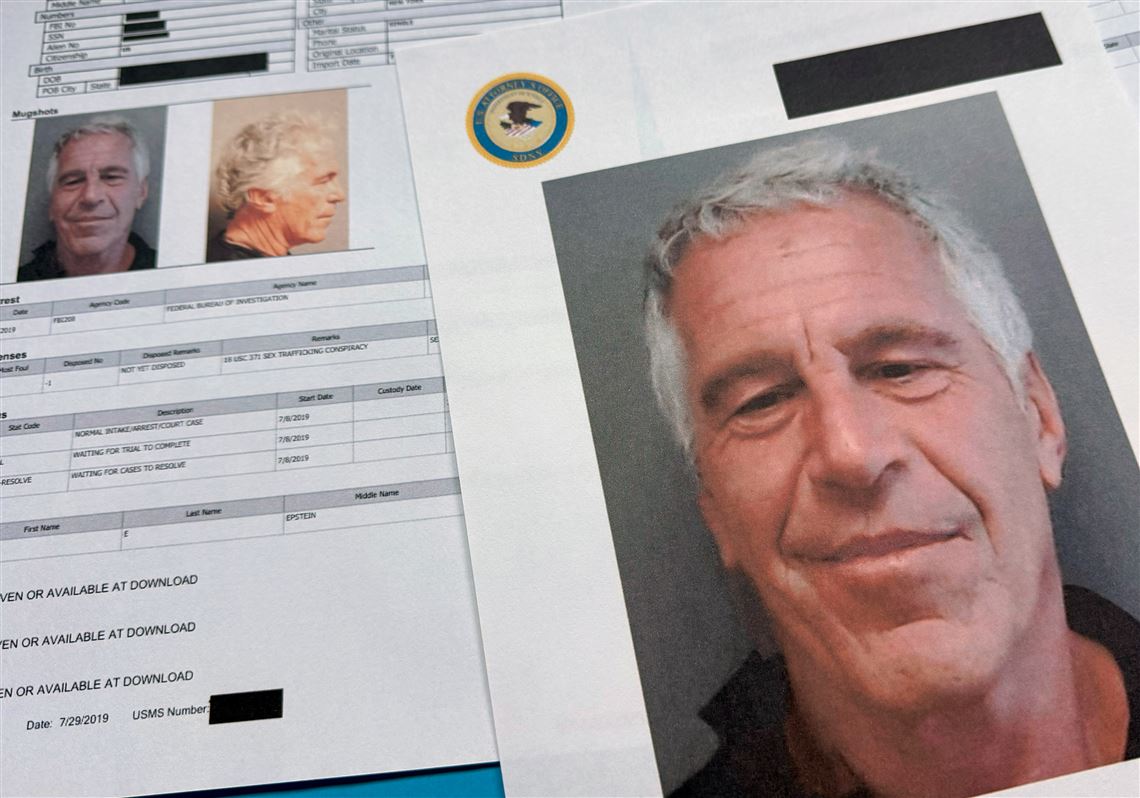
The US Department of Justice made public millions of documents linked to Jeffrey Epstein, following a law passed last year mandating full disclosure.
-
The release came six weeks after a missed legal deadline.
-
Officials said the delay was due to an extensive review process to protect victims and ongoing investigations.
-
According to Deputy Attorney General Todd Blanche, the release marks the end of the department’s review work.
Key facts
-
3 million pages of records
-
180,000 images
-
2,000 videos
-
Files span more than a decade
What’s inside the files
The documents include:
-
Prison records and psychological evaluations from Epstein’s final incarceration
-
Investigative material related to Ghislaine Maxwell, convicted for helping traffic underage girls
-
Emails and correspondence between Epstein and high-profile figures
-
Financial records and travel-related communications
Many materials predate Epstein’s 2008 conviction in Florida for soliciting sex from a 14-year-old, as well as his death in jail in 2019 while awaiting trial on federal trafficking charges.
High-profile names surface — again
The release reignited attention on Epstein’s connections to political, business, and royal elites.
Britain’s elite
-
Emails suggest Epstein communicated with Prince Andrew, including an offer to introduce him to a Russian woman.
-
Correspondence also appears to involve Sarah Ferguson, Andrew’s ex-wife, describing Epstein in warm personal terms.
-
No wrongdoing is alleged in these emails, and Prince Andrew has repeatedly denied any misconduct.
US political spotlight
-
Donald Trump is mentioned hundreds of times.
-
The files include unverified allegations logged by the FBI, which the Justice Department explicitly called false and unfounded.
-
Trump has denied all wrongdoing and says he severed ties with Epstein years ago.
Tech and business figures
-
Emails show Epstein corresponded with Elon Musk about potential travel and parties, though there is no evidence Musk ever visited Epstein’s island.
-
Draft emails attributed to Epstein make lurid claims about Bill Gates. Gates’ spokesperson dismissed them as “absolutely absurd and completely false.”
Why it matters now
This release strikes at a long-simmering belief that powerful individuals were shielded from accountability.
-
The scale of the disclosure is unprecedented.
-
It lands during a politically charged moment, amplifying partisan mistrust.
-
Heavy redactions fuel suspicion that key details remain hidden.
Democratic lawmakers argue millions more pages may still be withheld, despite the law requiring full release except to protect victims or active investigations.
What changes for people
-
Journalists, researchers, and the public can now directly examine original records.
-
Survivors see renewed attention—but also renewed frustration over missing clarity.
-
Institutions named in the files face reputational pressure, even when no wrongdoing is proven.
Crucially, officials admit the files do not name specific perpetrators beyond those already prosecuted.
Multiple perspectives
-
Justice Department: Says transparency obligations are fulfilled and redactions were legally necessary.
-
Lawmakers: Warn the release may be incomplete and demand further disclosure.
-
Public: Divided between those seeking accountability and those wary of misinformation from unverified claims.
Bottom line
The Epstein files release is historic in size but limited in closure. While it exposes the breadth of Epstein’s connections, it stops short of delivering the definitive answers many hoped for—leaving distrust, debate, and demands for accountability very much alive.
What to watch next
-
Whether courts or Congress force further document releases
-
Potential civil or political fallout for figures named in correspondence
-
How media outlets handle unverified claims without amplifying misinformation
-
Whether victims gain new legal avenues or protections from renewed scrutiny.