
Mexico to send aid, explore fuel shipments to Cuba despite US pressure, says President Sheinbaum
Move puts Mexico at odds with Washington as Trump threatens tariffs to choke Cuba’s oil lifeline Top Summary What happened: Mexico pledged to send humanitarian...
Move puts Mexico at odds with Washington as Trump threatens tariffs to choke Cuba’s oil lifeline
Top Summary
-
What happened: Mexico pledged to send humanitarian aid to Cuba and is exploring ways to supply fuel despite US efforts to cut oil access.
-
Why it matters now: Cuba faces a looming fuel collapse, while Washington is using tariff threats to force compliance.
-
What changes for people: Mexico risks trade and diplomatic fallout with the US; Cuba gains short-term relief from blackouts.
-
Who is affected: Cuba’s population, Mexico’s government, US–Mexico relations, and regional geopolitics.
What happened:
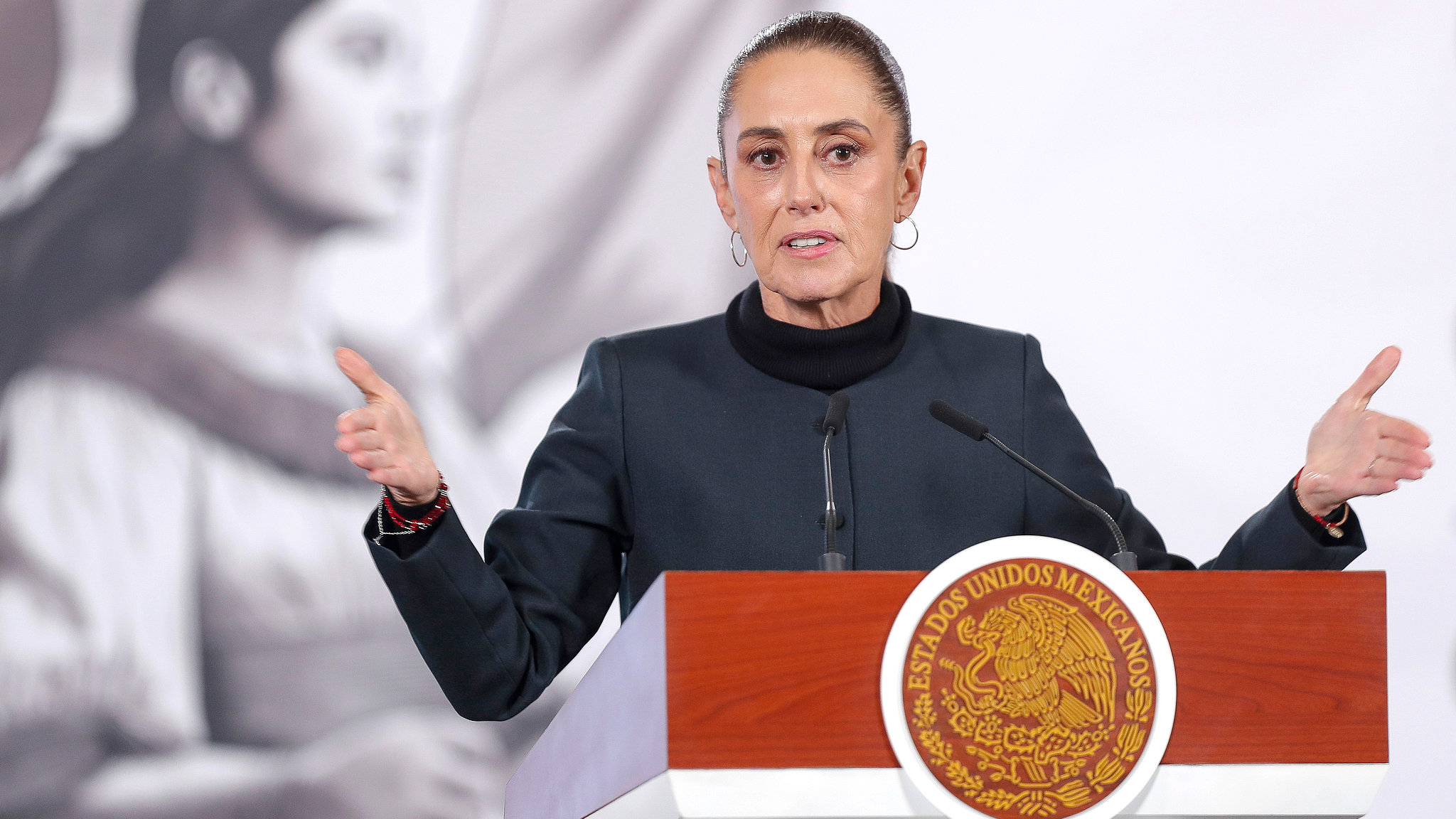
Mexico’s President Claudia Sheinbaum has vowed to continue humanitarian assistance to Cuba and said her government is exploring diplomatic options to send fuel to the island nation.
Her statement comes days after Donald Trump signed an executive order allowing the US to impose tariffs on countries supplying crude oil to Cuba. Trump later claimed Sheinbaum had agreed to halt oil shipments — a claim the Mexican leader firmly denied.
“We never discussed with President Trump the issue of oil with Cuba,” Sheinbaum said at a public event in Sonora.
Why it matters now:
Cuba is facing one of its worst energy crises in decades, marked by rolling blackouts and fuel shortages. With Venezuela’s oil exports halted after a US operation led to the capture of President Nicolás Maduro, Mexico has emerged as Cuba’s largest oil supplier.
According to the Financial Times, data from consultancy Kpler suggests that without new oil supplies, Cuba could run out of fuel within three weeks.
Mexico’s stance may determine whether Cuba avoids an immediate humanitarian collapse.
What changes for people:
-
Cuban residents may see temporary relief from power cuts if fuel arrives
-
Mexico faces heightened risk of US tariffs and diplomatic retaliation
-
Regional tensions are likely to rise as Washington tightens pressure
Who is affected:
-
Cuban households hit by blackouts and fuel scarcity
-
Mexico’s ruling Morena party and its voter base
-
US lawmakers pushing for tougher Cuba policy
-
Businesses exposed to potential US–Mexico trade disruptions
Washington’s pressure campaign on Havana
After the loss of Venezuelan oil, the Trump administration has shifted focus to Cuba.
US Secretary of State Marco Rubio has openly called for regime change in Havana, while Trump hinted on Sunday that Washington is quietly negotiating with Cuban leaders.
“We’re talking to the highest people in Cuba,” Trump said. “I think we’re going to make a deal.”
No details were provided.
Havana signals willingness to talk
After initially condemning Trump’s executive order as an “extraordinary threat,” Cuba’s Foreign Minister Bruno Rodríguez adopted a more conciliatory tone.
On X, Rodríguez said Cuba is “willing to reactivate and expand bilateral cooperation with the US.”
Analysts say the shift reflects desperation rather than détente.
Mexico caught in the middle
Mexico’s support for Cuba has triggered backlash in Washington.
Republican Congressman Carlos Giménez accused Sheinbaum of undermining US policy and aiding a “cruel dictatorship.”
At home, however, Sheinbaum’s stance has drawn strong praise from Morena senators, underscoring the political tightrope she is walking.
Expert view: leverage and coercion
William LeoGrande, an expert at American University, said Mexico faces an unenviable dilemma.
“It’s hard to see how Mexico will balance its friendship with Cuba and its need to maintain a working relationship with the United States,” he said, adding that tariff threats are a familiar Trump tactic.
“It’s leverage Washington has — economic coercion to get countries to comply.”