
Mamata Banerjee vs Election Commission: Supreme Court begins crucial hearing on electoral roll revision
The political standoff between West Bengal Chief Minister Mamata Banerjee and the Election Commission of India has reached the Supreme Court of India, where judges...
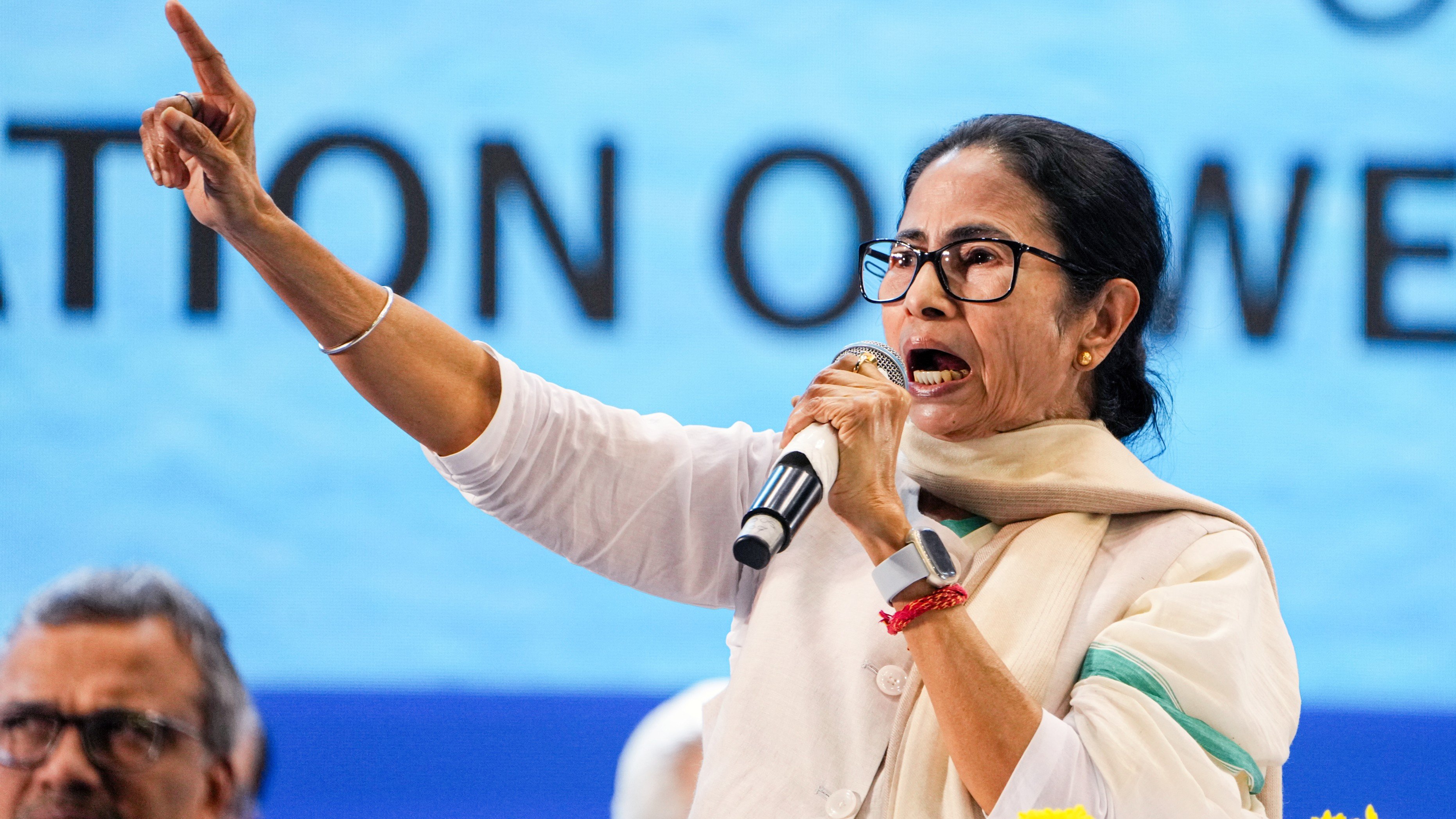
The political standoff between West Bengal Chief Minister Mamata Banerjee and the Election Commission of India has reached the Supreme Court of India, where judges are set to examine objections to the ongoing Special Intensive Revision (SIR) of electoral rolls.
Top Summary
-
What happened: Mamata Banerjee arrived at the Supreme Court as hearings begin on the controversial SIR voter roll revision exercise.
-
Why it matters: The case could impact voter verification processes and election transparency nationwide.
-
What changes for people: Depending on the verdict, electoral roll checks may become stricter or face new legal limits.
-
Who is affected: Voters in West Bengal, political parties, election authorities, and upcoming state election processes.
What happened:
A Supreme Court bench led by Chief Justice Surya Kant, along with Justices Joymala Bagchi and Vipul Pancholi, began hearing arguments related to the Election Commission’s Special Intensive Revision.
Banerjee, who also leads the Trinamool Congress, has been in a prolonged confrontation with the poll body over the exercise.
Bold fact:
The SIR process aims to re-verify voter lists — a move the West Bengal government claims could unfairly impact eligible voters.
Earlier this week, Banerjee travelled to Delhi and met Chief Election Commissioner Gyanesh Kumar to raise objections.
Why it matters now:
The dispute comes at a sensitive political moment, with electoral processes under scrutiny across multiple states.
Supporters of the revision argue:
-
It ensures clean and updated voter lists
-
Helps prevent duplication or fraudulent entries
Critics, including Banerjee, warn:
-
The process may lead to exclusion of genuine voters
-
Administrative decisions could influence electoral fairness
The Supreme Court’s intervention signals the issue has moved from political debate to constitutional scrutiny.
What changes for people:
If the court upholds the Election Commission’s approach:
-
Voter verification may intensify
-
Citizens could face stricter documentation checks
If the court limits the process:
-
States may gain greater say in how electoral revisions are implemented
Any judicial direction could redefine how voter roll revisions are conducted before future elections.
Who is affected:
-
West Bengal voters and political workers
-
Election officials managing verification drives
-
National parties monitoring electoral fairness
-
Legal observers tracking centre-state institutional conflicts
Rising tensions before the hearing
The legal battle follows a tense week:
-
Banerjee alleged she was “humiliated” during a meeting with the Chief Election Commissioner.
-
Reports claimed a heated exchange led to an abrupt end to discussions.
-
She also had a confrontation with Delhi Police personnel outside Banga Bhawan earlier.
These developments have intensified the political narrative around the case.
Governance and institutional balance at stake
Beyond state politics, the hearing highlights a broader issue — the balance between an independent election authority and elected state governments.
Multiple perspectives are emerging:
-
Election Commission’s view: Electoral integrity requires periodic intensive verification.
-
State government’s stance: Excessive revisions risk disenfranchisement and political misuse.
-
Legal experts: The case could clarify the constitutional boundaries of election management.
Bottom line
The Supreme Court hearing marks a pivotal moment in India’s electoral governance debate. As Mamata Banerjee challenges the Special Intensive Revision, the outcome could redefine how voter lists are updated — and how far election authorities can go in reshaping them.
What to watch next
-
Interim observations from the Supreme Court bench
-
Possible guidelines on voter verification procedures
-
Political reactions from national parties
-
Impact on upcoming elections in West Bengal and beyond