
Madhya Pradesh water tests show just 0.6 percent contamination. Experts warn risks may be going undetected
Rural Madhya Pradesh reported contamination in only 311 water samples in 2025-26, or 0.6 percent of tests, according to government data. The unusually low rate,...
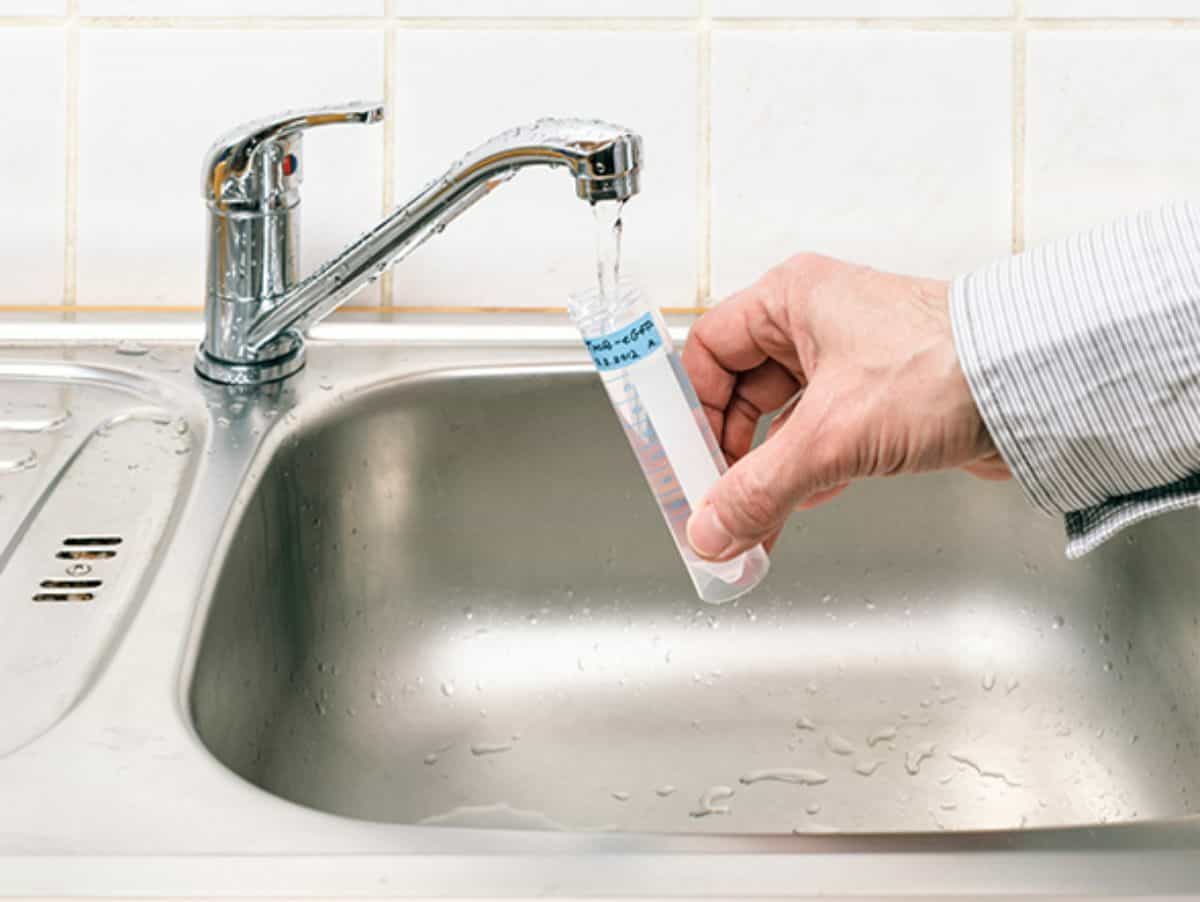
Rural Madhya Pradesh reported contamination in only 311 water samples in 2025-26, or 0.6 percent of tests, according to government data. The unusually low rate, compared with the 13 percent national average, has triggered concern among researchers and public health watchers that insufficient testing capacity, not cleaner water, may be driving the numbers.
The findings come six years after a detailed audit of rural laboratories revealed deep gaps in space, equipment, and staffing. Despite the expansion of India’s monitoring framework under the Jal Jeevan Mission, many of the same weaknesses appear to persist.
What the 2025-26 numbers show
Official figures for 2025-26 indicate that contamination was detected in just 311 samples across rural Madhya Pradesh, translating to 0.6 percent. By contrast, the national average stands at 13 percent.
Public health specialists say such a wide gap typically points to limited testing coverage or capability, not necessarily better water quality.
A senior academic associated with the earlier assessment, Varsha Rokade of MANIT, declined to elaborate when contacted, saying, “It’s all there in the study.” Her response reflects a broader hesitation among experts to comment publicly, even as the data revives long-standing concerns.
What earlier audits found in rural laboratories
A 2019 survey of 56 rural laboratories across 16 districts in Madhya Pradesh documented structural and operational failures that would restrict accurate testing:
-
Nearly three-quarters did not meet prescribed space norms.
-
More than 82 percent lacked a separate biological testing area.
-
Internet and telephone connections were missing in most facilities, limiting coordination and reporting.
-
50 percent could not test even the 13 basic water quality parameters.
-
Almost 90 percent had no capacity to test for heavy metals.
Human resources were equally thin:
-
Microbiologists absent in 79 percent of labs.
-
Attendants missing in 86 percent.
-
Sampling assistants absent in 91 percent.
Operational standards were also weak. Sampling protocols were often ignored, registers of contaminated samples were outdated, and retesting claims lacked documentation. Not a single lab met the annual target of 3,000 tests.
Why the low detection rate is a red flag
Experts say the 2025-26 figure of 0.6 percent likely reflects underreporting, not unusually clean water.
If laboratories cannot test for heavy metals, lack biological testing space, and operate with critical staff shortages, contamination may simply go unrecorded. That creates a false sense of safety for communities and policymakers.
Public safety, governance, and health impact
Public safety: Undetected contamination increases the risk of waterborne diseases and long-term exposure to harmful substances.
Governance: The data raises questions about implementation quality under the Jal Jeevan Mission, which expanded India’s monitoring network but appears not to have resolved core laboratory deficits in parts of Madhya Pradesh.
Health systems: Inaccurate surveillance weakens early warning for outbreaks and undermines preventive care.
Economy and households: Illness linked to unsafe water can raise medical costs, reduce productivity, and burden already stretched rural families.
What officials and experts are saying
-
Government data confirms the 0.6 percent contamination detection in 2025-26 for rural Madhya Pradesh.
-
Academic reviewers, including MANIT professor Varsha Rokade, point back to the documented shortcomings of lab infrastructure, indicating the problem is known and recorded.
-
Public health analysts caution that testing capacity drives detection, meaning low numbers may reflect limited screening rather than low risk.
Why you should care right now
Water quality is a frontline public health issue. When testing systems fail to detect problems, communities cannot protect themselves, and authorities cannot intervene in time. With government data now showing an outlier-low contamination rate, the gap between reported safety and actual safety is the story.
What to watch next
-
Whether state authorities announce upgrades to rural laboratory infrastructure and staffing.
-
Any official audit or review of testing protocols under the Jal Jeevan Mission.
-
New data releases that show whether detection rates rise as capacity improves.